

Why You May Want To Reconsider Buying Seeds Online
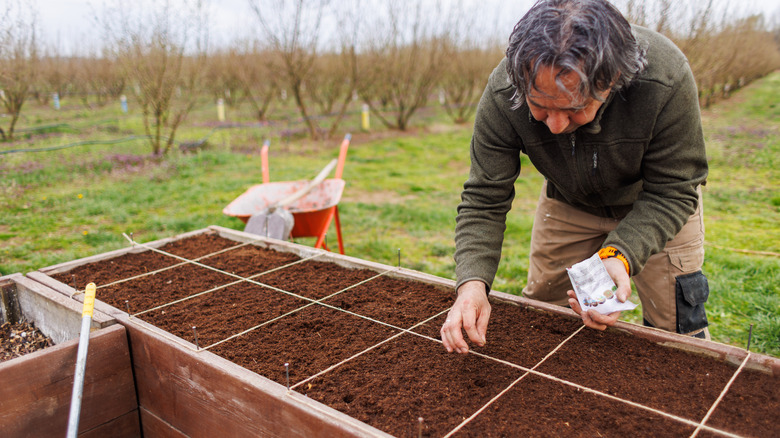
Gardening with native plants will attract a diverse variety of birds and pollinators, and going native is a good choice when sowing your seeds each spring. However, it matters where you get those seeds. As cheap and convenient as it can be to buy seeds from online retailers like eBay and Temu, these are not trustworthy sources when it comes to plants. That's because seeds bought online can be mislabeled or mixed with species you didn't ask for, and you certainly do not want that in your yard. A study by the University of Minnesota found that online plant and seed sales are a major pathway to invasive species entering the U.S., and many sellers are unaware of regulations that prohibit such sales.
Government agencies warn against buying seeds online from foreign sources, and do their best to regulate the seed trade. Still, it costs governments upwards of billions of dollars each year to control and eradicate invasive species, in addition to impacts like lost productivity from agricultural crops, increased risk of fire, and potential damage to infrastructure. YouTuber Gardening in Canada calls buying seeds online "a real danger" that runs the risk of bringing invasive plants into your garden, species that can easily spread to neighboring gardens and affect your broader community and ecosystem.
Where to go for trustworthy seeds, and what to do if something suspicious pops up in your garden
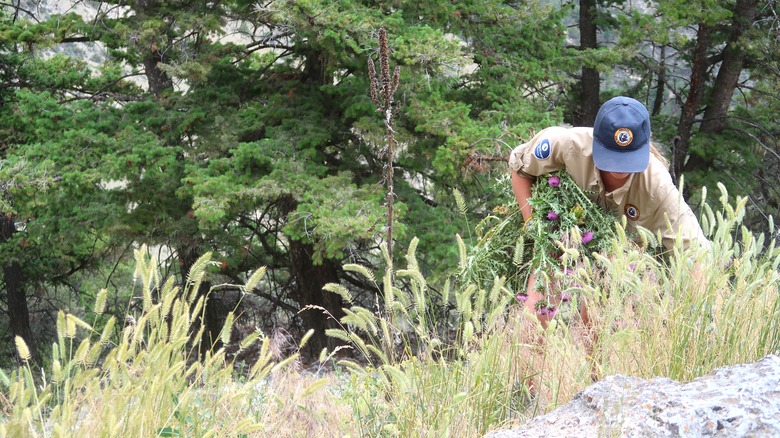
Whether you are considering planting a rain garden or deciding to go wild with chaos gardening, keeping your plant sources local is very important. It's good to research which native plants grow in your area, then look for seeds produced from your same region. Buying online isn't off the table if you find a local or regional source of native seeds. The Xerces Society for Invertebrate Conservation provides a helpful directory of trustworthy sources for the U.S. and Canada. You may even have a native gardening center near you, and you can ask them where they get their seeds. Gardening Redditors cite Prairie Moon Nursery and American Meadows as quality online sources in the United States, and your local extension office may be able to recommend additional trusted seed producers.
If you fear you've accidentally planted something from an improperly sourced seed, you can verify whether the plant is invasive or harmful by snapping a photo and uploading it to an app like iNaturalist, which will connect you with scientists who can verify your findings. If you know that a plant is invasive, pull it out, bag it in plastic, and throw it in the garbage — not into the compost, where it can spread further. It all starts with those little seeds, so shop smart!