

How To Prepare Your Rain Garden For The Winter Season
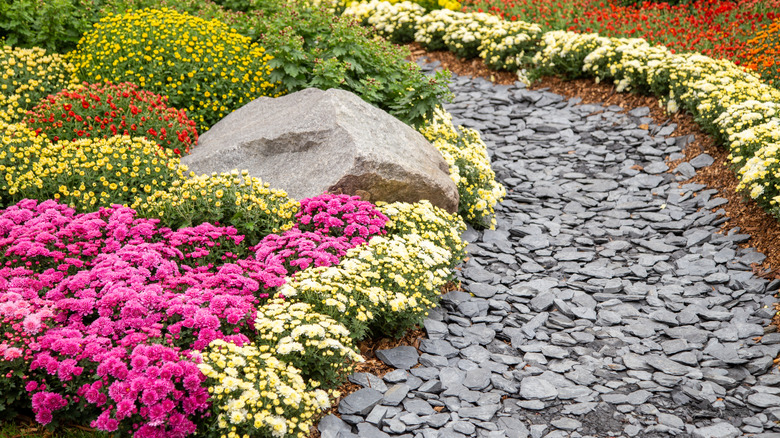
If you've been looking into planting a rain garden, you might be wondering what happens to it during winter. When there's less rain and more ice, how do you keep everything thriving? With careful preparation beginning in autumn, your rain garden can weather the cold to bloom again in spring. You can set yourself up for success by choosing plants that are hardy in your climate and adding some evergreen plants to help control erosion during winter. Weeding is an important part of the process as well. Know which weeds you shouldn't pull, leaving any native wildflowers that might have been seeded in your garden by the wind or birds. Weeding becomes more difficult after the snow falls, but you don't want any lingering weeds to compete with your plants as they're waking up from dormancy, so get as much weeding done now while you can!
While you want to keep your garden free from debris, fallen leaves are actually beneficial to your plants, since they insulate them and add nutrients to the soil as they decompose. It's important to protect your plants before the first frost with a 3-inch layer of mulch, made from leaves or otherwise. However, if you have anywhere that water collects — such as a small creek bed or drainage ditch — you should keep that as clean as possible. As your rain garden plants start to lose their foliage for the winter, treat them the same way you would any other plant going dormant. Reduce fertilizing, and save seeds from any annuals you might want to replant or perennials that you want to grow more of.
What to do when winter arrives
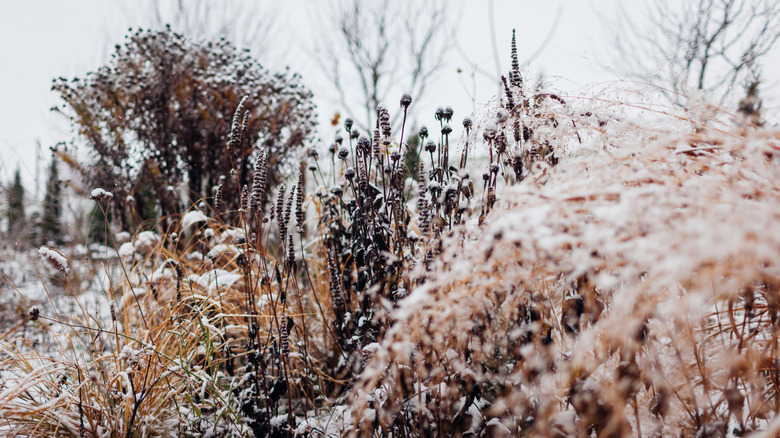
Rain garden care doesn't stop once the season changes! Everything may slow down, but your rain garden will still absorb, store, and filter water during winter. You may need to keep weeding into winter, especially if you live in a more mild climate, but most annual winter weeds spend the season as seeds. You'll need to wait for them to sprout in spring, but otherwise you can focus on other aspects of care. When the snow begins to fall, keep an eye on how much is coming down. A small amount isn't an issue, but large amounts can put pressure on the soil, compacting it. If there's heavy snowfall, move some of the snow out of your rain garden and place it uphill. When the snow begins to melt in spring, it'll be in the perfect place to flow right into your rain garden.
Snow from other areas can also be moved so that it will drain into your rain garden, but there is one major exception. Snow that has been treated with a deicing solution should be kept away from your plants. The influx of salt as the snow melts can be harmful to plants, causing discolored leaves and stunted growth. If you can, use less harmful deicers like sand near your rain garden. If you can't avoid salty slush, consider adding salt-tolerant plants to your rain garden. Coreopsis, yarrow, catmint, creeping thyme, candytuft, cranesbill geranium, and the low-maintenance flowering succulent sedum are a few great options.
In late winter, you'll want to prune your flowering trees and plants for the coming season. Remove any dead or damaged branches as well as any branches growing in undesired directions or brushing up against other plants. This will ensure that your rain garden is healthy and ready to face the spring thaw.