

In-Ground Vs Above Ground Sprinklers: Which Is Best For Your Yard
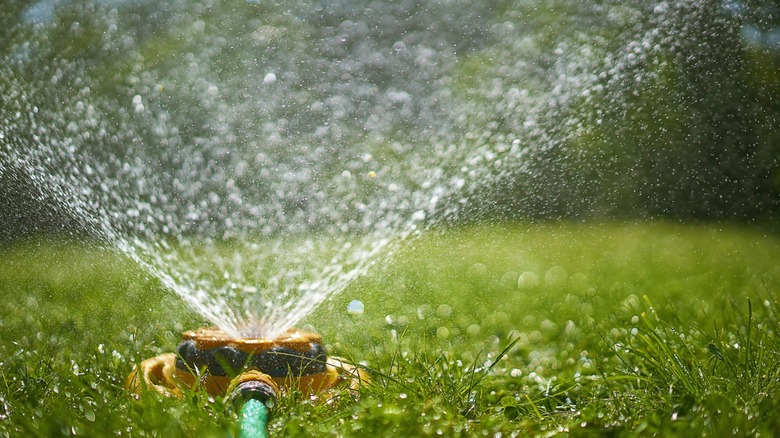
Did you know that there's a simple lawn watering technique that'll help control weeds? Regularly watering your yard keeps your turf grass lush and the weeds at bay. First, you'll have to decide what type of sprinkler system to install in your yard. In-ground, or underground, sprinklers are installed beneath your lawn, utilizing buried pipes and sprinkler heads. Above-ground systems are the opposite. Instead of installation under the soil and grass, this type of system has all the hoses, sprinklers, and lines right on top.
Choosing between in-ground and above-ground systems requires weighing the benefits of each. Consider the needs of your yard and other constraints, such as time and labor. In-ground systems are often easier to automate, but have a much higher start-up cost. Above-ground systems make it simple to reconfigure again and again, but might not be the prettiest to look at every day. Start by thinking about which system will make yard work easier for you.
The pros and cons of in-ground sprinklers
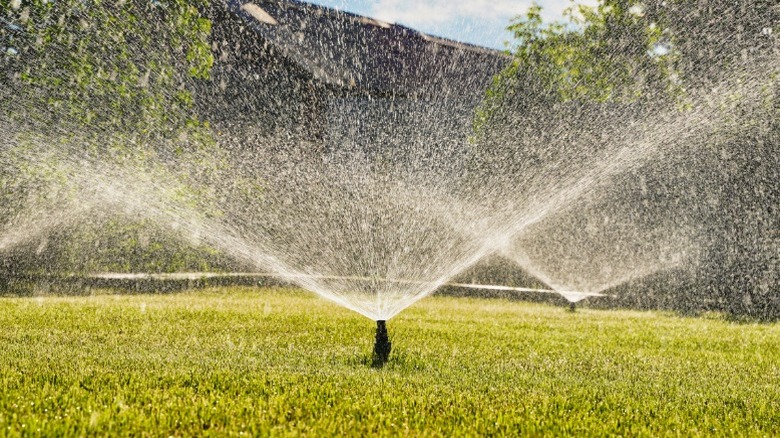
Choosing an in-ground system for watering your lawn allows for automation. Some in-ground sprinklers include rain sensors that automatically shut off to prevent overwatering. In terms of efficiency, in-ground sprinklers offer added value by evenly watering your lawn, too. Durability is also a plus when it comes to these sprinklers. Unlike an above-ground sprinkler system, an underground one utilizes pipes that are out of sight and out of mind. In-ground systems are less likely to be damaged, as they cannot be run over by a mower.
While the ease of use and durability make this a great choice, do not forget to consider the overall costs associated with an in-ground sprinkler. If you want to make an in-ground system more affordable, you might decide to turn it into a DIY project. There are several things to consider before trying to DIY your own lawn sprinkler system, and careful planning is essential. In-ground systems are a fairly permanent investment, because you will not likely want to continuously dig up your yard to correct the placement of a pipe. Additionally, they are not ideal for heavy clay and require proper winterization each year.
What to know about above-ground sprinklers
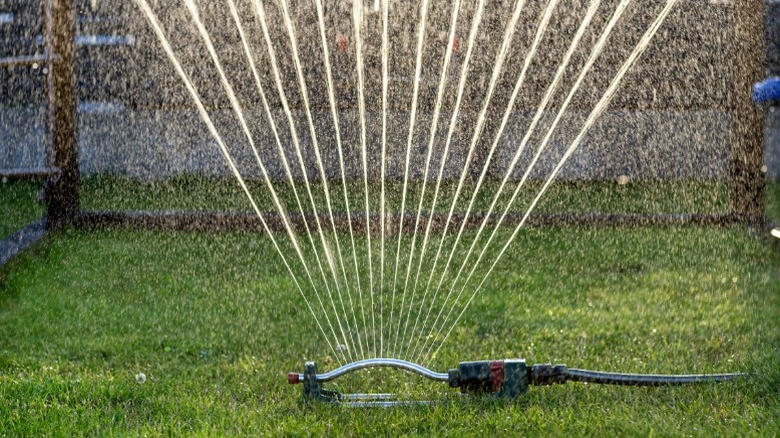
Whether you're using a hose-end sprinkler or a complicated system of hoses and drip lines, above-ground sprinklers allow for more adaptability. In-ground systems cannot be easily moved once installed. An above-ground system allows for endless reconfigurations, which is ideal for gardeners who enjoy updating their landscaping or might expand a flower bed. The portability of an above-ground sprinkler also means you can change where you water and how much you water. This flexibility is useful since watering your lawn every day isn't always ideal. There are options to choose from, including soaker hoses that release water slowly, hose-end sprinklers installed at the end of a garden hose, and more.
Of course, above-ground systems have their flaws. Unlike in-ground systems, these sprinklers do not offer the same type of efficiency. You're often stuck turning on the water manually. Hoses and lines on the surface of your lawn can create tripping hazards. Anything sitting on top of the ground can also be more easily damaged and require quicker replacement. Homeowners should weigh trade-offs and prioritize their needs.