

Pros And Cons To Know Before Installing Heat-Resistant Pavers In Your Backyard
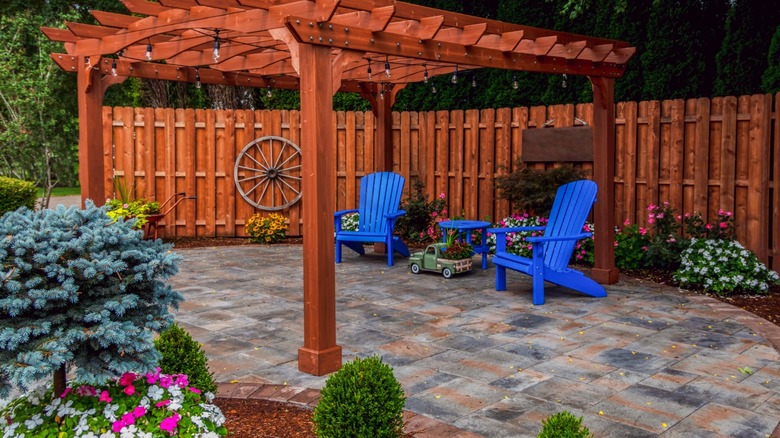
If you are planning on building a rounded paver patio to elevate your backyard, you need to decide on the type of stones you're using. Heat-resistant pavers are one option. Most heat-resistant pavers are made from specific materials, notably natural stone options like travertine and granite, and manufactured materials including porcelain. There are also other fire-resistant options, like brick and concrete, that don't necessarily offer the additional cooling benefits of heat-resistant materials. By selecting heat-resistant pavers, your backyard benefits from the lack of heat absorption, meaning bare feet stay comfier on hot summer days. They also provide versatility when installed near fire features. However, these types of pavers are often more expensive.
Weigh both the pros and cons of heat-resistant pavers before committing to a material for your backyard project. Some paver types are better suited to specific uses. For example, travertine works well around pools due to its porosity and ability to stay cool to the touch on the hottest days. If you need an option that combines durability and utility, concrete might be your best bet, though it absorbs more heat.
It's important to note that heat-resistance is not the only point to consider. Just as you will want to seek out heat-resistant pavers to handle hot climates, there's certain patio materials you will want to select if you get a lot of snow. When it comes to popular heat-resistant pavers, you can plan for both those issues, with travertine, granite, and porcelain pavers holding up well to freezing temperatures as well as heat.
The many benefits of heat-resistant pavers

Installing heat-resistant pavers near a fire feature is one of the main reasons to seek them out. Placing pavers without the proper heat resistance will only lead to issues when they break or crack. If all you're seeking is fire resistance, there are a number of options. Brick, concrete, porcelain, travertine, and sandstone are beautiful paver options that work well around fire pits or other hot outdoor features, like pizza ovens and grills. It's important that the material immediately surrounding the pit can withstand extreme temperatures without cracking or igniting.
Beyond fire resistance, there are heat-resistant options that are not only fireproof, but reflect heat as well. One of the big advantages of installing heat-resistant pavers for your outdoor space is their lack of heat absorption. It can be frustrating and painful to step out of the pool, or to come outside barefoot onto your backyard patio in the afternoon and start dancing in pain from the heat. By using heat-resistant pavers, you can limit how hot your patio gets underfoot in the dead heat of summer. For example, travertine — a type of limestone — has particularly low heat absorption capabilities, while porcelain has low to moderate. Both stay cooler to the touch under intense sun than most other materials.
Hidden downsides of heat-resistant pavers
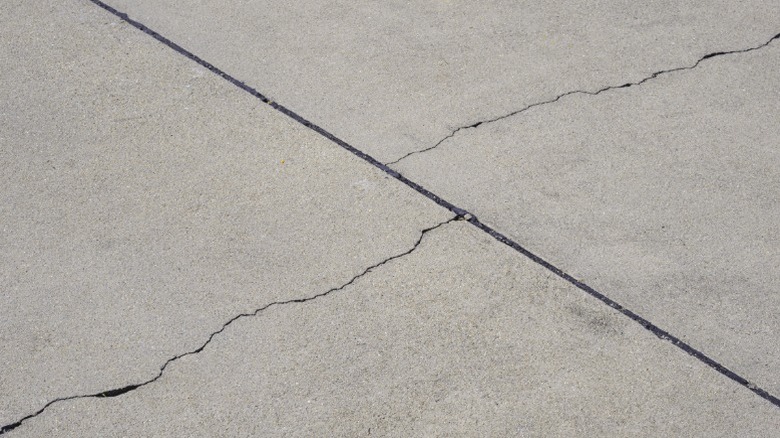
One of the major downsides to heat-resistant pavers is the expense. The cost of installing heat-resistant pavers can be prohibitive for some homeowners. Both porcelain and travertine carry a hefty price, especially compared to more cost-effective options like concrete. Part of the expense comes down to the cost of materials, but a large portion concerns the actual labor of installing the pavers. Finding the best quality material for a patio if you're on a tight budget can be tricky if you want certain features, like heat-resistance. Cost is relative of course: Travertine, when well cared for, can last decades, where concrete often needs to be treated or replaced more frequently.
Installation is another issue. If you're relatively handy, laying concrete pavers is a fairly straightforward DIY project. Travertine is significantly heavier and installation is generally is best handled by a professional. Travertine is also pickier than concrete when it comes to needing a sturdy, level base.
In fact, one major detraction when it comes to many heat-resistant pavers is the level of maintenance they require. Keeping them looking beautiful and pristine can be a chore. Travertine tiles, for example, stain easily due the stone's high porosity. Mildew can also develop, especially if the pavers do not dry out well enough after getting wet. Travertine can sometimes crack during a harsh freeze-and-thaw winter. Porcelain is usually more durable (easily withstanding freezing temperatures), waterproof, and generally low maintenance. The downside is that it can be difficult and expensive to repair or replace broken porcelain pavers, with fitting replacement parts being a pretty precise operations.