

How To Prepare A Plum Pit To Ensure That It Turns Into A Thriving Tree
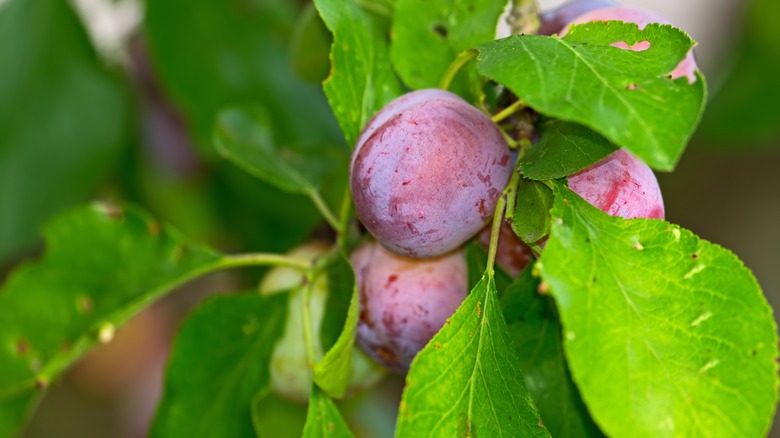
Having fruit trees in your yard can be a dream. After they mature, they produce beautiful and delicious fruit for you and everyone in your home. Additionally, planting your own fruit trees is one of the best things you can do to attract bees to your yard, which can help your garden thrive. There are many varieties of fruit trees you can plant, including plums. If you love fresh, juicy plums for your jams and cakes, there's nothing better than harvesting them from your own tree. When preparing to plant your first plum tree, though, there are several steps to take, as well as things to consider, prior to putting the seeds into the ground.
Before learning how to germinate plum seeds, it is important to note that you will not get fruit for at least three years. Also, planting plum seeds from the plums you buy at the store isn't likely to result in a tree that produces the same plums you're familiar with. It actually may not produce fruit at all, as the tree the seeds came from was most likely grafted. You may also need a second plum tree of a different variety for cross-pollination since not all varieties are self-fertile. Even self-pollinating plum trees, though, can benefit from having a pollination partner around. It's important to understand these things before you begin to germinate your seeds so you don't end up disappointed when a crop of plums doesn't show up in a few years.
Preparing a plum pit
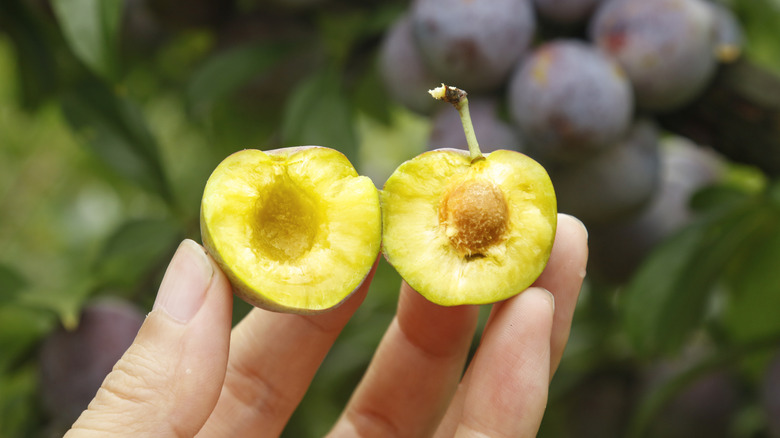
After you've eaten some plums, clean the pits so they are free of pulp, and then let them dry for several days. After the pits are completely dry, use a hammer or nutcracker to break them open and remove as many seeds as you can. Now, you will need to check to see which are viable to grow. To perform this check, place the seeds in water. If a seed sinks, it's viable. If it floats, the seed is useless, and you can throw it away.
Once you have your viable seeds separated, you will need to germinate them. To do this, fold them into a moist paper towel. Place the paper towel into a resealable plastic bag, remove all air, and seal it. To simulate outdoor soil conditions, which will break the seeds' dormancy, place the plastic bag in the refrigerator. You will need to frequently check on your seeds to see if they have produced roots, and ensure the paper towel stays moist by spraying it with water. It may be between two weeks and three months before your seed creates roots, so be patient.
Once your seeds have roots, plant them in a smaller pot or container filled with well-draining soil and put them in full sun. You should separate the seeds and continuously increase the sizes of the containers as the trees grow, ensuring proper root space. Once large enough, transplant them in the spring for the best results. Now, all you need to do is protect your fruit trees from pests and other hazards. This is an excellent method for germinating plum seeds. If no plums show up in a few years, though, there may be reasons your trees aren't growing fruit, such as issues with the growing conditions.