

The Unexpected Benefits Pickle Brine Has In Your Garden
We may receive a commission on purchases made from links.
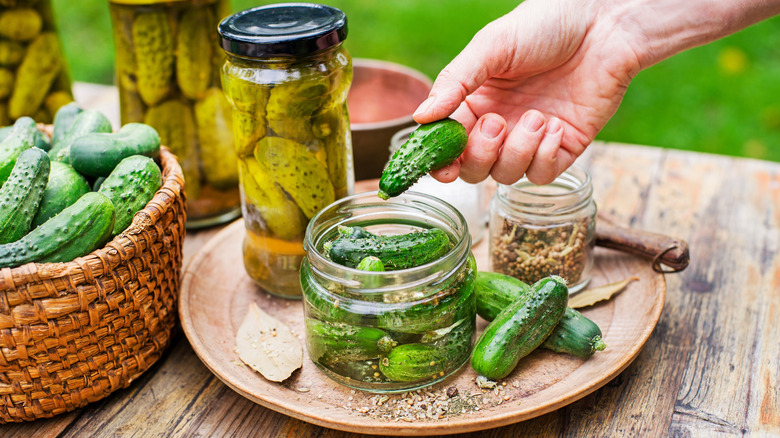
If you're not drinking your pickle brine (yes, it's a thing), consider saving it for your garden instead of dumping it down the drain. There are numerous benefits for your garden's health in that brine. It can be used for killing weeds, fortifying soil, assisting seed germination, and even changing the color of certain flowers. All you need to do to save your pickle brine is, when you've finished the last pickle, set the jar back in your refrigerator for the next time you water your garden. You can even have a designated pickle brine container that you dump your empty jars into. Before you toss your empty pickle jars into the trash, though, consider using them to make a simple squirrel feeder or repurposing them for a beautiful garden cobb wall.
Before you go pouring pickle brine all over your garden, it's important to know that pickles contain something called pickling salts. These salts draw out water from the cucumber and help to create a stable vinegar brine during the pickling process. Pickle brine, most notably its salt and vinegar contents, can be harmful to your plants, though. The pickle brine will make the soil more acidic, which is sometimes helpful, but it can also cause your plants to dry out and die. So, it's important not to just dump the pickle brine right out of the jar onto your flowers. Whether you're using it to acidify your soil or kill weeds, you need to dilute it first.
How to use pickle brine for healthier garden soil and seed germination
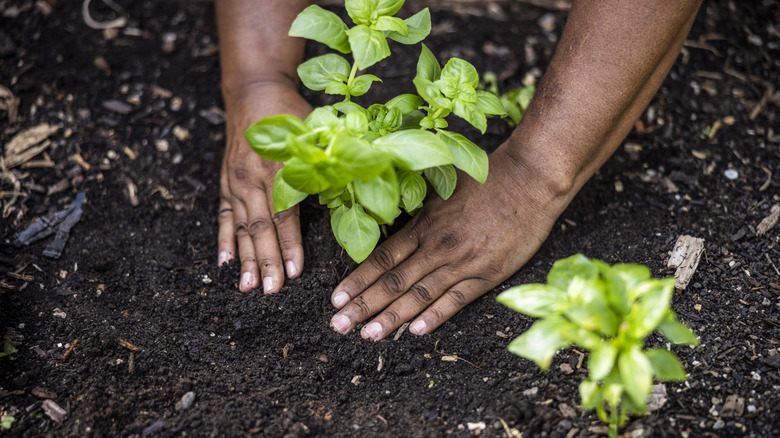
Vinegar, a major component of pickle brine, is acidic, so when you're growing plants that thrive in acidic soil, you can use pickle brine to bring down the pH levels of the soil. Some acidic soil-loving plants include bleeding hearts, blueberries, hydrangeas, magnolia trees, and potatoes. A solution of 1 part pickle brine to 20 parts water should be added to your vegetable or flower beds or around your fruit trees, if more acidity is needed. If you want to find out your soil's acidity level, a SONKIR Soil pH Tester can help you figure it out.
The micronutrients and healthy bacteria in pickles are another beneficial component of pickle brine, which can aid in seed germination. Specifically, the fermentation of the pickles makes them high in Lactobacillus cultures, which contributes to their health benefits for the seeds. Lactobacillus culture increases the organic content of the soil, thereby enhancing its ability to stimulate root growth in plants. Remember, though, that pickle brine needs to be heavily diluted. When using it to spray on your seeds, you will only need to mix about 1 teaspoon of pickle brine with 1 gallon of water.
Change the color of your hydrangeas and kill weeds using pickle brine
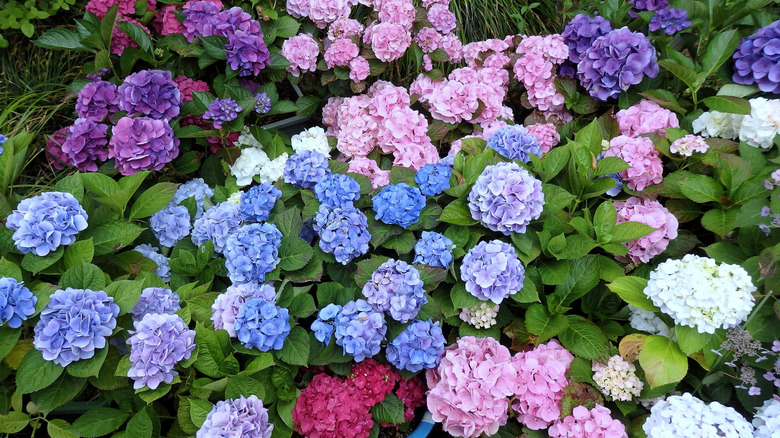
If you want to change the color of your hydrangea flowers, you can use pickle brine to do that, as well. The pH of your plant's soil determines what flower colors you get. If you want blue flowers, keep the pH below 6.5. For pink and purple hydrangeas, a pH level of 7.5 is required. You should test the soil's pH before adding pickle brine to ensure you get the desired color. It's important to note that this is a temporary color change, though. So, the new color may not last through the entire blooming season. To color your hydrangeas using pickle brine, you will want to spread a diluted mixture of pickle brine and water a foot or so away from your plants, where the roots can still reach it. Be sure not to pour the mixture so close to your plant that you're drowning it in salt and vinegar, which can dry out the roots and potentially cause damage.
Since salt can be used to kill weeds in your yard and garden, salty pickle brine can, as well. Vinegar can also kill weeds, which makes pickle brine a powerful tool in your weed-killing arsenal. You want to be careful with it, though, so you don't kill beneficial plants. Spraying pickle brine in areas away from other plants, like between pavers and in rock pathways, is a great way to keep weeds at bay. Instead of dumping it in the soil around weeds, spray the diluted mix of pickle brine and water right on the leaves of the weeds you want to get rid of.