

Hurricane Season Has Arrived: Here's How To Get Your Garden Ready

Hurricanes are an impressive force of nature, and they can do some serious damage. The most important part of preparing for a hurricane is making sure you and your family are safe, but it can still be heartbreaking to see your home and garden damaged. While reinforcing your home before the storm can help minimize damage to structures, your yard and garden are exposed to the elements. You may not be able to evacuate your plants, but you can still set your garden up for success.
When planting a garden in an area prone to hurricanes, be sure to choose plants wisely. Plant trees with enough space to grow deep, healthy roots, and avoid trees with naturally shallow roots and fragile branches. Trees like live oaks, southern magnolias, flowering dogwoods, and American holly shrubs are all great options. Growing a variety of plants is also beneficial. Large trees can shelter smaller plants from the wind, and smaller ground cover and grasses can filter and absorb excess water and runoff. You should also try to grow plants that are native not just to your state, but to your specific region. A tree that is native to the mountains may not grow as well by the coast, even if both places are in the same state, and healthy plants are more likely to survive storms and other stressful events.
Short-term preparation for hurricane season
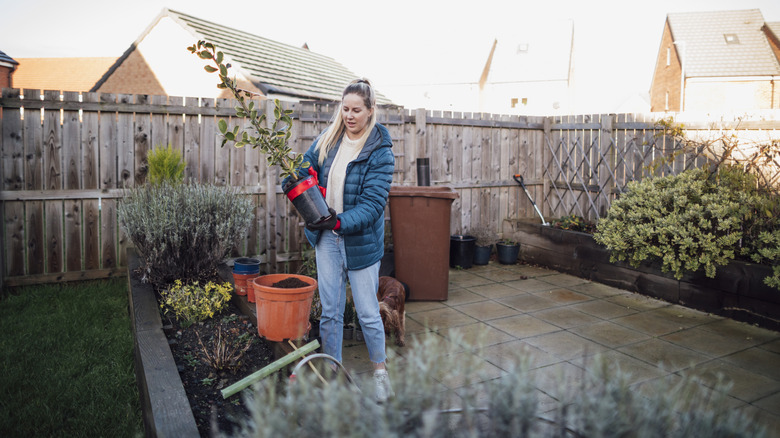
Preparing your garden in the weeks leading up to hurricane season can further reduce the potential damage. Start by removing diseased or dead trees, particularly ones that might crush something important if they fell. Prune healthy trees with a focus on removing branches that are weak, diseased, or hanging over anything. For larger trees, consider hiring a professional to ensure everything is done properly. Arborists can be quite busy during hurricane season, so you may want to schedule this in advance.
Next, remove or secure any decorations, objects, or potted plants you have outdoors. Anything that could be blown away, knocked over, or broken by the hurricane should be moved indoors. If indoors isn't an option, place them in a more sheltered location away from windows. Prevent items from being swept away by wedging them between larger objects or strapping them down, and lay fragile items on their sides so they won't fall over and break. Don't forget about hanging planters and bird feeders as well! Your DIY carnival-inspired bird feeder may be cute and effective, but it won't do the birds any good if it's carried away by flood waters.
Finally, avoid watering or fertilizing your plants before the hurricane arrives. If you have an automatic irrigation system or sprinklers, be sure to turn them off. The storm will provide plenty of water, and heavy rain can wash away fertilizer. Make sure that any drains or gutters in and around your garden are clean and unblocked to reduce the risk of a flooded garden.
What to do after the hurricane
Once the hurricane has passed, it may be tempting to start cleaning and replanting right away, but it's better to wait. Let any floodwater in your garden drain fully before you start, as the water can hide dangerous debris. From a safe distance, visually inspect the area for any downed power lines or other electrical hazards. If you see any, do not approach the area, stay out of the water, and call for professional help.
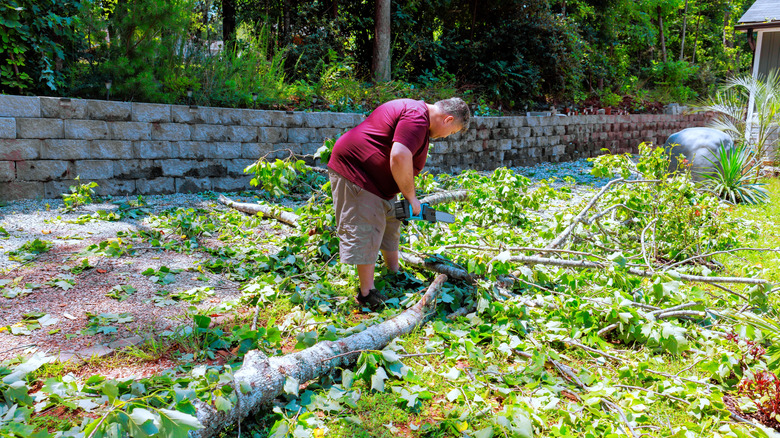
Once the area is safe to work in, start by giving the area a more thorough inspection. It can be overwhelming trying to decide where to begin restoring your yard and garden, but try to remember that not everything needs to be done at once. Start with large debris, like sizable branches or fallen trees. Professional arborists can help you remove these if you are unable to cut them yourself. If you opt to use a chainsaw to clear fallen lumber, remember they are dangerous tools, and may also overheat or need to have chains replaced from constant use. Next, move on to smaller debris. Sweep up glass or shattered pottery, being careful not to cut yourself on any sharp edges, and clear away smaller branches or objects. Wear gloves and thick shoes to protect yourself while cleaning.
Any plants that have been completely uprooted can be removed as well, but wait to remove ones that are still in place. Although hurricanes are stressful for plants, many of them will recover. Don't fertilize them while they're healing, and avoid pruning except to remove dead or heavily damaged limbs. Given time, most native plants will recover from the stress and begin to regrow.