

Add Frost-Tolerant Velvety Blooms To Your Garden With This Southern Winter Favorite
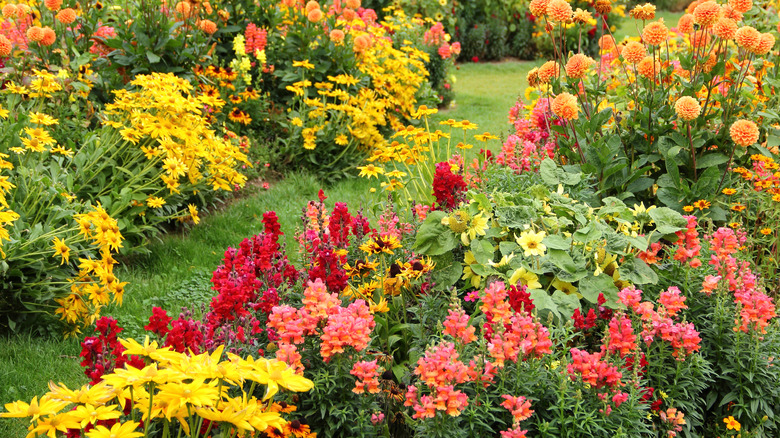
When the hot temperatures of summer start to cool off, you might think that the flower-planting season is over until next spring. The good news is that your blooming days don't have to be over. Late summer and early fall are excellent times to add some color to your garden by planting flowers that do well in cooler temps. There are several flower varieties that are frost-tolerant, such as the hybrid ice plant (Delosperma spp.), a daisy-like ground cover that will stun in any fall garden.
These late plantings mean you can enjoy colorful blooms well into the season when the rest of your garden is taking a break until spring. One ideal frost-tolerant flower to add to your fall garden lineup is the polyanthus primrose (Primula × polyantha). This lovely flower loves cooler temperatures and adds bursts of different shades of deep pinks, vivid purples, bright yellows, and vibrant reds to your garden that will complement the colors of fall nicely.
Although these delicate-looking flowers are perennials, polyanthus primroses will act more like annuals in southern regions with milder winters. Plant them in the fall for late winter and early spring blooms. This gives you the opportunity to have colorful, beautiful flowers even during the months most gardens are on the bare side. If your plant hardiness zone is anywhere from 3 to 8, you are in a region where polyanthus primroses will thrive with the right growing conditions.
How to make sure your polyanthus primrose plants thrive
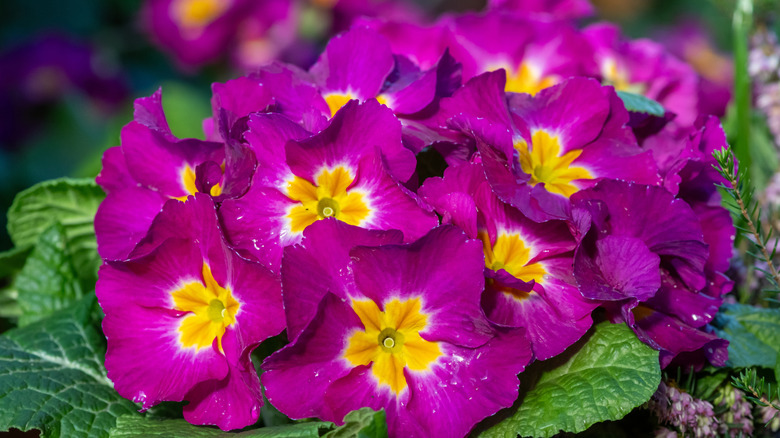
There are many reasons to add polyanthus primrose to your garden. It's a low-maintenance plant that's easy to grow in many different conditions making it a fuss-free plant that is great for gardening newbies. To attract more pollinators to your garden, primrose is a nice choice with brightly colored flowers that bees, butterflies, and other helpful insects love. Due to the hardiness and versatility of the flower, it's a good choice for rock gardens, borders, wildflower gardens, and in containers. Common garden thieves such as deer and rabbits usually avoid polyanthus primrose, however, which is a huge benefit.
This flower prefers a cooler, moist environment and does well in sunny or shaded areas, though the plant should not be in total shade, as sun helps it produce flower buds and leaves. Plant polyanthus primrose in well-draining, slightly acidic soil that has a good amount of organic matter like compost mixed in. Keep the soil of your polyanthus primroses moist, but not waterlogged or sopping wet, especially when the plant is still establishing itself at first. And to really bring out the cold-hardy nature of the plant, protect its roots from frost by adding some mulch, preferably straw or shredded leaves.