

Help Your Evergreen Trees Stay Healthy During The Winter With These Fall Care Tips
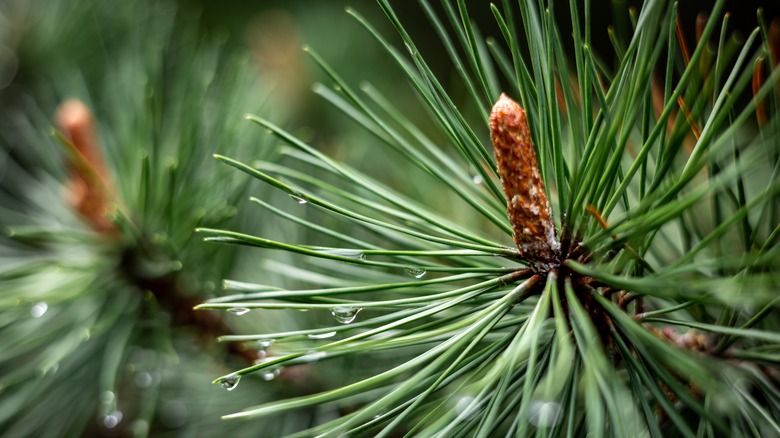
As all of your lovely maples, dogwoods, and aspens get ready for winter by turning color and preparing to shed their leaves, your evergreen trees are also bracing for the colder weather to come. These stalwarts of your backyard don't go dormant like deciduous trees. They keep growing all winter by slowing down their metabolism. A little preparation in the fall will make sure your evergreens get tucked in tight for their sleepy season, ready to bring out new cones and bright green needles in the spring.
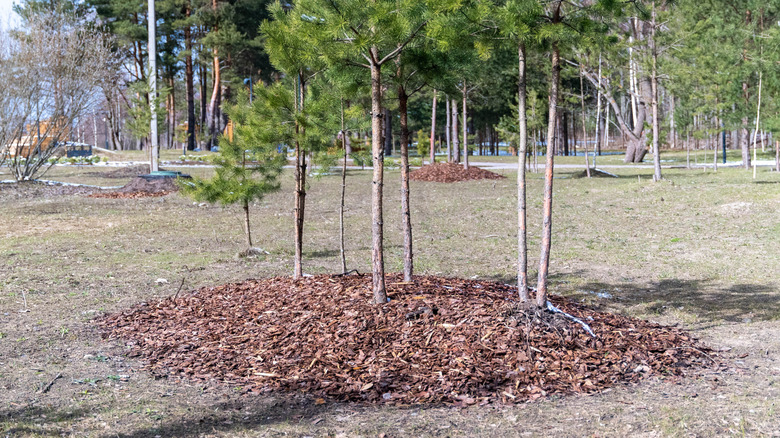
Watering well until the ground freezes, laying down some mulch, and addressing any tree damage or health issues in autumn will set your evergreens up well for the coming cold months. Regular watering of about 1 inch per week (2 inches for newly planted conifers) up until the first freeze will ensure your tree is well hydrated for the long winter ahead, when the frozen ground will prevent moisture from reaching its roots. Mulching is also a good practice for the fall. Spreading a circle of mulch all around the roots of your evergreens will act as insulation from the cold, which might otherwise kill the roots. Just don't pile the mulch up against the trunk, as this can cause mold growth. Instead, spread it outward to the drip line to protect the roots. Insulation and retaining soil moisture is one of the key purposes of mulching, so be sure to lay it thick enough — about 2 to 3 inches — to provide proper protection. Any thicker, and you'll risk growing fungus or providing a home for unwanted pests.
More ways to protect your evergreen trees
Carring out an inventory of your evergreens in the fall will tell you a lot about their vulnerability to the coming weather. Do you see excessive areas of brown needles? This could signify a nutrient deficiency, in which case the application of a slow-release fertilizer might help strengthen your tree for wintertime. Broken or dead branches? Trimming your trees in the fall is not generally recommended for evergreens, as it can stimulate new growth that will be damaged in cold weather. That said, you can lop off dead or diseased branches at any time of year. This won't hurt the tree, and it may prevent a hazard developing during autumn storms.
If you have small, newly planted evergreens, you may want to invest in some burlap and prepare to wrap your young trees in late fall. That burlap could also come in handy to wrap any trees vulnerable to salt spray from an adjacent road or driveway; salt is a killer for evergreens. Similarly, you could buy some jugs of vinegar to have on hand to safely melt the ice on your driveway, rather than using rock salt. By taking these simple steps for your evergreens in fall, you'll be sure to keep them bright and healthy during the long, dark winter ahead.