

Crucial Mistakes Every Beginner Backpacker Makes

We may receive a commission on purchases made from links.
There's something irresistible about the promise of backpacking — the idea that you can sling a pack over your shoulders and step into a world of ridgelines, rivers, and quiet solitude. But for every postcard moment, there's a hard-earned lesson waiting on the trail. The wilderness doesn't care how new your gear is or how carefully you planned your route. It's happy to reward preparation and humility, but spontaneity and improvisation? Not so much. Every hiker, no matter how seasoned, starts out as a beginner, learning through missteps, wrong turns, and a fair amount of trial and error.
Thankfully, you don't have to learn those same mistakes the hard way. By understanding the most common blunders new backpackers make, you can take meaningful steps to avoid them, enjoying a smoother, safer experience right out of the gate. Whether it's finding the best hiking backpack, packing smart, pacing yourself, or simply learning to respect the land and those who share it, these lessons help you hike with intention, awareness, and gratitude. The goal? Believe it or not, it isn't just to finish your trip, it's to truly experience it.
Because at its best, backpacking isn't about perfection. It's about finding your rhythm one careful, confident step at a time.
Not prepping for proper hydration

Dehydration is one of the fastest ways for a great hike to go south fast. Even a small fluid deficit — like 3 to 5% of your body weight — can negatively impact your hike. A 2022 systematic review on hypohydration (when your fluid intake is less than your output), conducted at the Makarere Medical School in Uganda, found that this level of fluid loss measurably impairs both cognitive performance and mood, so you feel fatigued and struggle to make decisions under stress. If you're out on the trail, that can mean missing turns, misjudging terrain, or ignoring early signs of heat stroke or heat exhaustion until it's too late.
Most beginners underestimate hydration, not because they're careless, but because thirst isn't a reliable gauge once you're hiking. By the time you feel thirsty, your body's already playing catch-up. The key is to start topping up fluids the day before, and choose a water system you'll actually use: One that makes sipping effortless, not a chore. If you're planning on using streams and lakes as a water source, don't forget to include a filtration device, like the lightweight and compact Sawyer Mini water filtration system.
And remember that water alone isn't enough on long days. Sweat drains electrolytes that keep your muscles and brain firing. Including powdered sport drink or electrolyte replacement packets in your supplies is the easiest way to control when and how you're supplementing. In the end, hydration isn't about how tough you are, it's about staying sharp enough to enjoy every single mile.
Skipping the shakedown hike

The shakedown hike is your best insurance policy against disaster. Rather than embarking on a longer trek through the wilderness with brand-new gear, this is a short, low-stakes test run meant to expose issues before they become trip-ending problems later. More to the point, a multi-day adventure just isn't the best place to find out your new sleeping pad feels like a yoga mat on gravel, your tent leaks, your pack proves uncomfortable, or your stove takes twenty minutes to boil water. Even experienced hikers use shakedowns to test new gear, since conditions, technology, and fitness all change over time.
Most beginners skip shakedowns because they're eager to get to the "real hike," but that means gambling your comfort and safety on untested assumptions. A single weekend trip of 6 to 10 miles each day can reveal gear quirks, fit issues, and endurance limits you didn't know existed. There's another benefit: Shakedowns build confidence. By the time you're on a longer trail, you'll know exactly how to pack, pace, pitch camp without stress, and maybe even discover new ways to waterproof your gear to stay warm, safe, and dry. Consider the shakedown hike as a rehearsal for the adventure you actually want to enjoy, not just survive.
Carrying a first aid kit you don't know how to use
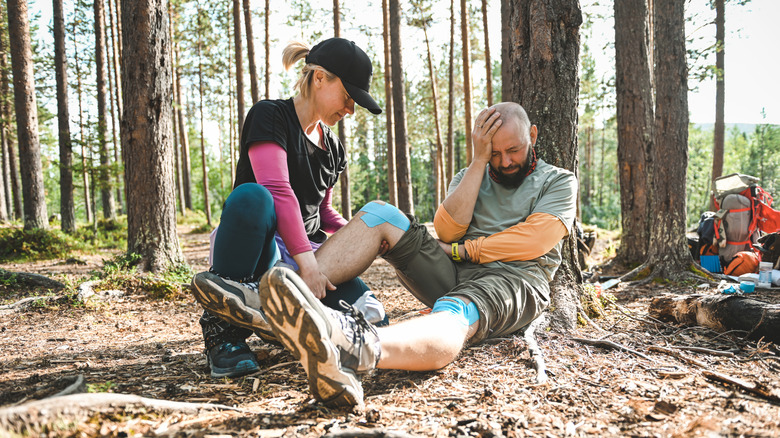
A first aid kit isn't a talisman or good luck charm — it only works if you know what to do with it. Many hikers toss one into their pack and think that's how you prepare for a long hike, but when something goes wrong, they freeze. A 2015 study in the World Journal of Emergency Medicine found that hikers with formal medical training were nearly three times more prepared to handle injuries and altitude-related illnesses than those without it. The takeaway was clear: Education, not just equipment, determines how well you respond when help is hours away. Most trail emergencies, like blisters, sprains, dehydration, or altitude sickness, are preventable or manageable with basic wilderness first aid knowledge.
Even simple skills like cleaning wounds, immobilizing a joint, or recognizing the symptoms of acute mountain sickness can make the difference between hiking out under your own power or waiting for rescue. You don't need to be a medic, but knowledge reduces risk. Taking the time to learn how to make the most of your first aid kit turns it into a genuine lifeline rather than just dead weight.
Skipping recovery

Backpacking punishes the same tissues day after day. You're climbing, descending, carrying weight, sleeping weird, eating trail food, then doing it all over again the next day. Without real recovery, you end up stacking fatigue until something gives. A recent Appalachian Trail Conservancy survey found that more than half of long-distance hikers dealt with muscle or joint pain, and those who skipped pre-hike training were almost three times more likely to get hurt. Most of the damage wasn't from bad luck, but from overuse: Knees, ankles, shins, and tendons that simply wore out over the long miles.
Thankfully, the fix isn't complicated. Stretch when you stop, take care of your feet, and don't feel guilty about taking a full day to rest. Hikers who mixed strength or yoga before their trip were less likely to get injured, and those who used proper gear and footwear stayed in the game longer. That's why it's better to think of recovery as trail maintenance for your body rather than a luxury. Treat it like part of the hike, and you'll go farther, feel stronger, and actually enjoy doing it.
Not expecting blisters

Since even seasoned hikers aren't immune to blisters, consider them the great equalizer when you're out on the trail. They form when heat, pressure, and moisture combine to let your bones move while your skin doesn't, tearing the layers underneath. Once that happens, every step burns, and the risk of infection goes up, especially for hikers who may be without a shower or sink for several days. The best fix starts with prevention: Breaking in your boots, keeping your feet dry, and listening to "hot spots" before they turn ugly. A quick stop to air out, dry off, and tape up can really save your trip.
Beyond that, research and field wisdom mostly agree on what works. For one, it's a good idea to wear densely padded acrylic socks and neoprene-style insoles to reduce friction and shear. Also, good-fitting boots and moisture control are non-negotiable. Some hikers swear by paper tape, antiperspirants, and powders, but evidence is mixed on their effectiveness, and they may backfire once you've built up enough sweat. If a blister does form, you'll want to pad around it, not over it – and you should only drain it if it's too painful to walk. In the end, smart prevention beats painful treatment every time.
Wearing the wrong clothing (like cotton)

If you've ever heard the phrase "cotton kills," it's not just trail folklore. Cotton feels great at home, but when you're out in the wild, it's a liability. Once it's wet — from sweat, rain, or a stream crossing — it stays that way, trapping moisture against your skin and draining body heat fast. That's how even mild weather can turn dangerous, especially in the mountains where temperatures drop without warning. So jeans and cotton tees may seem cozy, but when soaked, they cling, chafe, and can push you toward hypothermia faster than you'd think.
The smarter play is to build your layers with synthetics or merino wool. These outdoor-friendly fibers wick moisture away from the body, dry fast, and keep insulating even when damp. But how does that actually work? The answer is layers: Base layers pull sweat off your skin, mid-layers trap warmth, and your outer shell blocks wind and rain. By doing all that, they don't just keep you comfortable for longer periods of time – they also keep you safe. Cotton might win on comfort at camp, but when you're on the move, leave cotton in your duffel.
Not using trekking poles (correctly)

Trekking poles can feel awkward at first, which is probably why so many beginners use them more like ski poles than hiking aids, or leave them behind completely. Learning to use them correctly can make a world of difference. While factors like pack weight and fitness level contribute to musculoskeletal stress, technique often matters more than the number on the scale. When used properly, poles take pressure off your knees and ankles, steady your balance on uneven ground, and help distribute strain more evenly across your body. In other words, using your body efficiently — good posture, pacing, and smart pole use — can go a long way toward preventing the aches and tweaks that sideline new hikers.
The trick is getting your setup and rhythm right. Poles should be adjusted so your elbows form a ninety-degree angle on level ground, shorter on climbs, and longer on descents. Let your arms swing naturally instead of pushing straight down, and plant your poles just ahead of your feet to keep momentum smooth. But once you find your stride, trekking poles become less of a gimmick and more of an extension of your balance – a quiet insurance policy against slips, stumbles, and sore joints.
Forgetting that weather always wins

If there's one rule every hiker eventually learns, it's that the weather always wins. Forecasts are best guesses and in the backcountry, a sunny morning can turn into sleet by lunch. Unpredictable weather is an inherent risk of wilderness travel, so plan for change, not perfection. That means packing rain gear and extra layers even when the forecast looks clear, checking historical patterns before your trip, and keeping an eye on the sky once you're out there. Cirrus clouds high above might look harmless, but they can be the first sign of an approaching front. If you're hiking in the southwest, monsoon season thunderclouds far on the horizon will reach you much faster than you can imagine.
The bigger mistake isn't being caught in bad weather, it's assuming you can't be. Beginners often treat forecasts as promises, not probabilities, and get blindsided when the mountains remind them who's in charge. That's why the best hikers don't just pack for storms, they expect them. Not only do you want to double-check you have rain gear (again, no cotton!), you want to make certain that gear is up-to-date, mildew-free, and that the durable water repellent (DWR) is actually repelling. Before you hike, sprinkle some water on it and see if it beads up or gets absorbed. And pack a water-repellent hat: keeping your head dry is important.
Not fueling properly

Backpacking demands more energy than most beginners realize. Even on moderate terrain, you're burning through thousands of calories a day — far more than a typical workout. If you skip meals or snacks, your body starts running a deficit you can't just tough out. Moreover, if your energy dips, you end up with sluggish thinking, unsteady footing, and poor decision-making. It's a situation that can turn a long day into a bad situation.
Protecting your energy reserves is paramount, and to do so, think of eating as part of your hiking rhythm. You always want to start your day with a light breakfast rich in carbs and some protein, then snack every hour (and whenever you feel disoriented, over-tired, or hungry) with easy-to-digest options like trail mix, dried fruit, or energy bars. You want to aim for 30 to 60 grams of carbs per hour. By mixing in fats or proteins, you build a nutrition plan that can offer you plenty of staying power. Finally, don't crawl straight into your sleeping bag without dinner. Fatigue makes it tempting, but a hot meal (protein gets used overnight to repair sore muscles) and hydration are what rebuild your energy for the miles ahead.
Packing your fears – and your regrets

Every beginner's been there: Staring at their pack, convincing themselves that one more just-in-case item can't hurt. But those little extras add up fast. Once you're on the trail, that fear starts to feel heavy. In fact, studies show that as pack weight increases, hikers lean forward, burn more energy, and fatigue faster. And the result? Sore joints, blown knees, slower miles, and early burnout.
Instead, you want to aim for balance. Much of what you need beyond comfort (clothing, food, shelter) are the essentials you want in case of emergency:
-
Backpack (preferably waterproof)
-
Shelter
-
Trekking Poles
-
Reliable Sleep System (sleeping bag, sleeping pad, pillow)
-
Water Filtration and Storage (see above)
-
Cookware (stove, fuel, utensils)
-
Food
-
Reliable Footwear
-
Weather-Appropriate Clothing
-
Personal Hygiene
-
Electronics (navigation, headlamp, power bank, phone)
-
First Aid
Everything else? It's comfort, not survival. "Packing your fears" is what experienced hikers call it when you carry too much to feel secure. "Packing your regrets" is what happens when you leave behind what you truly need. The sweet spot lies between the two.
Going broke in the backcountry

Backpacking might seem like a cheap escape. After all, no hotels, no restaurants, and no city prices, right? But here's the reality: The trail's got its own economy. Gear, permits, food, resupply, and emergency funds all add up. A solid backpack alone can run a few hundred dollars, and over time, replacement gear, fuel, and trail food can cost thousands (yep!). There's a reason why some hikers call it "buy once, cry once:" Good gear saves you from expensive breakdowns later, but it still costs more upfront.
Budgeting starts long before you ever lace up. Especially, when you factor in everything from transportation to permit lotteries, which often include non-refundable application fees and seasonal costs for backcountry access. Even free wilderness requires gas, passes, food, and occasional replacement gear. Bringing a small emergency cushion (both cash and card) can save your trip, or even your safety, if something unexpected happens.
But smart spending doesn't mean cutting out the joy, either. The goal isn't to skip adventure, it's to plan for it. You do that by balancing value and experience, including learning tricks for finding free and cheap camping and hiking. For that, save where you can, invest where it counts, and remember that while backpacking will never be truly free, a well-planned trip can still be worth every penny.
Ignoring Leave No Trace (aka, trail etiquette)

You might not see it this way at first, but backpacking really is built on one core value: Respect. Respect for nature, respect for wildlife, and respect for every other person sharing the trail. The Leave No Trace principles aren't about memorizing rules; it's about making thoughtful choices that protect the land and ensure others can enjoy it too. Every decision, from where you step to how you camp, leaves something of an echo long after you've packed up your things.
The Seven Principles of Leave No Trace are simple, but they shape how travelers move through the backcountry:
-
Plan Ahead and Prepare – Know the rules, weather, and terrain before you go.
-
Travel and Camp on Durable Surfaces – Stick to established trails and campsites.
-
Dispose of Waste Properly – Pack it in, pack it out (even the tiny stuff).
-
Leave What You Find – Take memories, not mementos.
-
Minimize Campfire Impacts – Use stoves when possible and burn responsibly.
-
Respect Wildlife – Observe from a distance and never feed animals.
-
Be Considerate of Other Visitors – Keep noise down, yield the trail, and share the space.
The last one — consideration — means more than just common courtesy. A nod to a passing hiker, stepping aside for uphill traffic, keeping music off speakers – these small gestures preserve the peace and remind everyone that the wild is meant to be shared, not conquered. It's also, frankly, more fun.
Chasing mileage instead of enjoyment (HYOH)

It's easy to treat backpacking like a competition, counting miles, chasing pace, and pushing through pain in the name of progress. But research shows that outdoor recreation injuries frequently involve overuse or overexertion, with sprains, fractures, and fatigue among the most common results. The problem isn't ambition, it's ignoring limits. And when hikers let ego outrun endurance, your outdoor adventures quickly become both the carrot and the stick.
The antidote is a simple bit of trail wisdom: Hike Your Own Hike, or HYOH to the cognoscenti. It's a reminder that success isn't measured in miles, but in meaning. Some love navigating how to hike and thrive on a solo backing trip, finding rhythm and reflection in long, quiet days. Others prefer hiking with partners or groups, trading solitude for shared laughter and support. There's no single "right way" to hike: Only what keeps you safe, balanced, and connected to why you started walking in the first place.
In the end, no one gets to set your pace but you. The strongest hikers are the ones who listen to their bodies, the weather, and the land beneath their boots. Every trail offers a thousand moments of wonder, but only if you slow down enough to notice them.