

How To Prepare Your Warm-Season Grass For Fall
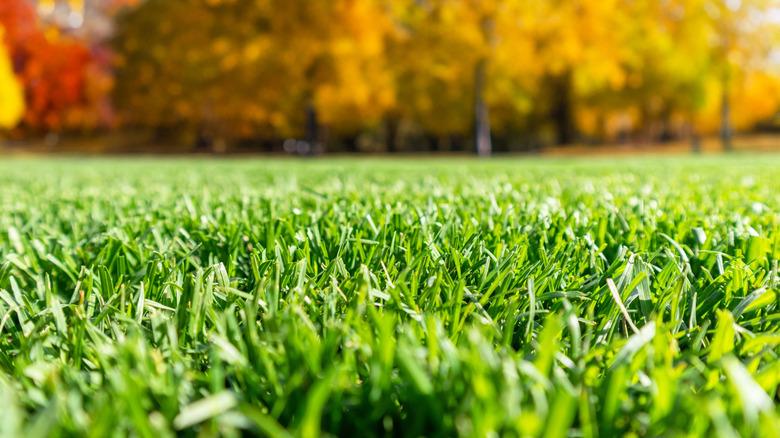
It's October, and for many, sweater weather is officially here. Across the southern U.S., though, homeowners will need to adjust their warm-season grass care and maintenance strategy for the fall.
Warm-season grasses, such as Bermudagrass, Bahiagrass, Centipede, St. Augustinegrass, and Zoysia, thrive in temperatures ranging from 75 to 90 degrees and go dormant in the fall and winter when temperatures consistently dip below 60. Signs that your lawn is heading into hibernation include slowing growth and grass blades turning brown. Strategically fertilizing, mowing, watering, and overseeding in the fall will ensure your lawn will remain happy and healthy all year.
First, apply a final fertilizer six to eight weeks before Old Man Winter visits with the first frost (a little closer for Bermudagrass). Fertilizers in the fall give a final energy boost before dormancy, and helps supress weed growth. Avoid applying fertilizer too late in the fall, as you may discourage your grass from storing its energy in its roots and going into hibernation. It's basically like setting your grasses up for a growth spurt right when they're most vulnerable to cold injuries. The only exception is if your lawn doesn't brown in the winter and continues to grow, then you can keep fertilizing as needed.
Another risk of fertilizing too late is that excess nitrogen from the fertilizer can lead to the fungal disease known as spring dead spot. That's those unfortunate circles of death amongst your Bermuda grass, and it may take a few years of overcare to show up. So check your local area's first frost date, and plan to feed accordingly.
Stop watering and mowing like it's summertime
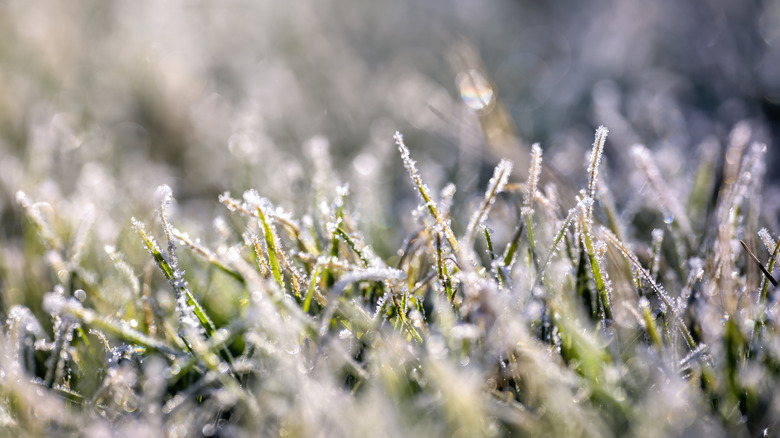
After you've sprinkled your lawn with its last summer supper, let your grass grow out a little longer before your next mow. In the summer, longer grass heights around 3 inches help grasses retain moisture and promote water infiltration. It's best to follow the ⅓ rule for mowing for a luscious green lawn in the growing months, but when prepping your lawn for a healthy fall and winter, the strategy changes.
For warm-season grasses, cut your grass down to roughly 3-4 inches (or slightly higher than normal), depending on the varieties of grasses you have. In October, mow till growth stops and you see dormancy setting in. Never take a lawn down to its nubbins: This is called scalping, and it can damage your lawn (though it can be a beneficial technique in early spring before dormancy ends). A longer cut will protect the grass from freezing injuries and allow it to accumulate some energy throughout the winter.
Finally, avoid overwatering in the fall. The combination of cool temperatures and excessive moisture encourages fungal disease, such as large patch and take-all root rot. Reduce your watering routine by as much as 75% from what you usually do in the summer. Once temperatures don't get above 70, you can call it quits on watering altogether (unless you're overseeding with rye grass — see below — then water as needed).
Following these adjustments to watering, mowing, and fertilizing will set your warm-season grasses up for a green spring and summer. If all this sounds like a ton of work, consider some no-mow landscaping strategies.
Consider overseeding, and rake those leaves
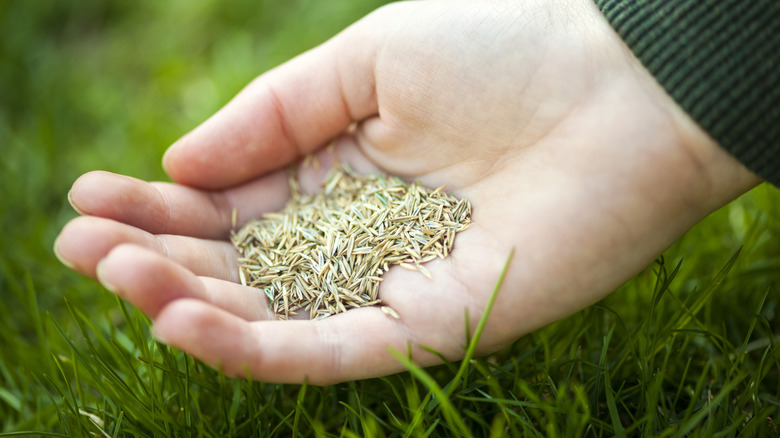
If a brown lawn in the winter isn't your vision, it's worth knowing that some homeowners opt to overseed with cold-hardy grasses like perennial or annual rye grass in the fall. Beware — this strategy can backfire, damaging or outcompeting grasses like Centipede, Zoysia, and St. Augustinegrass in the warmer months. If your lawn is predominantly Bermudagrass, this system works well.
Rye grass prefers mild temperatures and will be green and growing when your warm-season grasses have long since said "peace out" for the season. Once temperatures rise above rye grass's window of tolerance, it dies off, and your Bermudagrass will regain the green reign over your lawn.
The jury is out on whether to rake or leave leaves as they fall. Some argue it protects grass in the winter and, as they decompose, provides precious nutrients and moisture retention. Others say they block the precious sunlight that your lawn is still using to photosynthesize in the fall, and carry a risk of disease or mildew. We suggest raking and composting them, transforming leaves into nutrition fuel. Composted leaves will help improve your lawn and garden in the spring and summer.