

Visit The Only Authentic Thai Pavilion In The US At This Wisconsin Garden
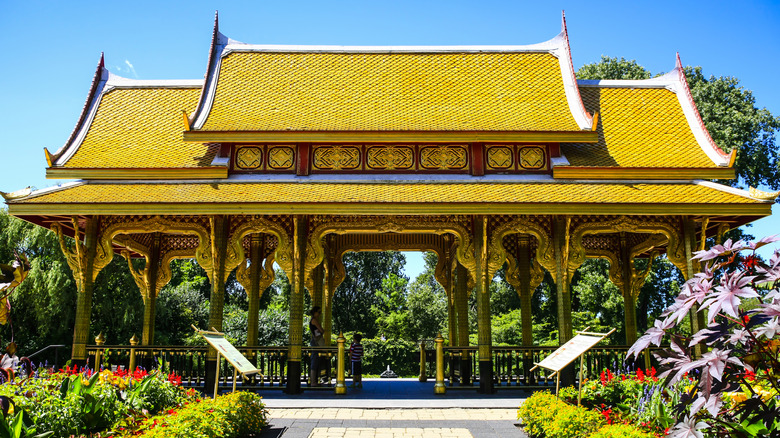
Traditional Thai pavilions, known as salas, are architectural gems that instantly capture your imagination. Open on all sides and designed to offer shelter from sun and rain, these airy structures are found across Thailand, from temple grounds to public gathering spots. They're elegant, practical, and full of intricate details that reflect centuries of craftsmanship. While you'd usually need to fly to Thailand to experience these striking buildings close up, you actually don't have to leave the Midwest to see an authentic one.
In Madison, Wisconsin, the Royal Thai Pavilion brings a splash of Thailand to the Olbrich Botanical Gardens. This garden structure is a genuine creation, built by skilled artisans in Thailand using traditional techniques and materials, then carefully disassembled, shipped across the ocean, and reassembled in Wisconsin. Standing 40 feet long, 22 feet wide, and 30 feet high, the pavilion is a dazzling mix of teak, ceramic tiles, and delicate gold leaf details, all approved by Thailand's royal family and bearing the royal seal of the Thai Crown. Built to endure Wisconsin winters, this is one of only four authentic Thai pavilions located outside Thailand, making each visit feel like you're stepping into a little-known corner of the world — without ever leaving the U.S. You can stop to see it on your way to or from a Wisconsin lakeside camping trip at Buckhorn State Park, or maybe while you're going on a road trip to see one of the Great Lakes.
Thai horticulture at the Olbrich Botanical Gardens
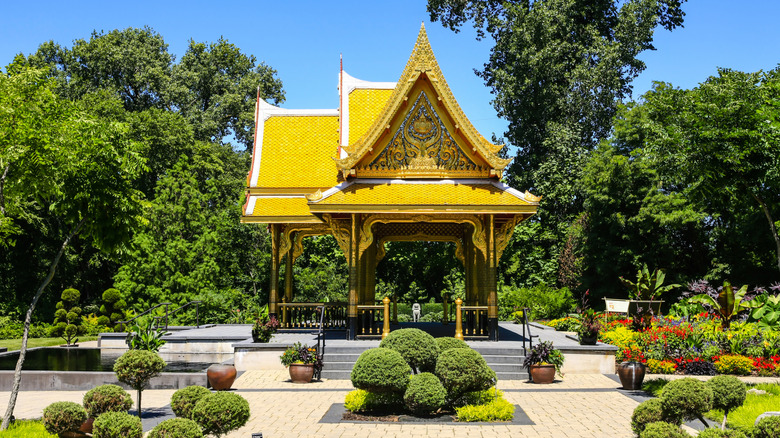
The Thai pavilion at Olbrich Botanical Gardens is surrounded by a garden that's just as enchanting. Designed to feel lush and tropical while thriving in Wisconsin's climate, the garden blends tall ornamental grasses, hardy bamboo, and leafy shrubs pruned to mirror the manicured beauty of traditional Thai landscapes. You might even get inspired by this garden and decide to add some ornamental grass to your own yard. Small details like glazed water jars and mai dat, a centuries-old Thai topiary style, add a sense of whimsy and artistry. The garden also features a mound of rocks intended to symbolize a mountain, which is achieved using a Thai gardening technique known as Khao Mor. Meanwhile, visitors can find three statues of elephants: Two are stone, and the third, which is bronze, was gifted to Olbrich Botanical Gardens by the Princess of Thailand.
The Thai garden flows naturally into the Olbrich Botanical Gardens' central spaces, connected by a 155-foot arched bridge over Starkweather Creek. This makes for a serene, almost cinematic walk — one that gives you the feeling of being miles away from the Midwest.