

Side Discharge Or Mulch Mowing: How To Determine Which Is Best For Your Lawn
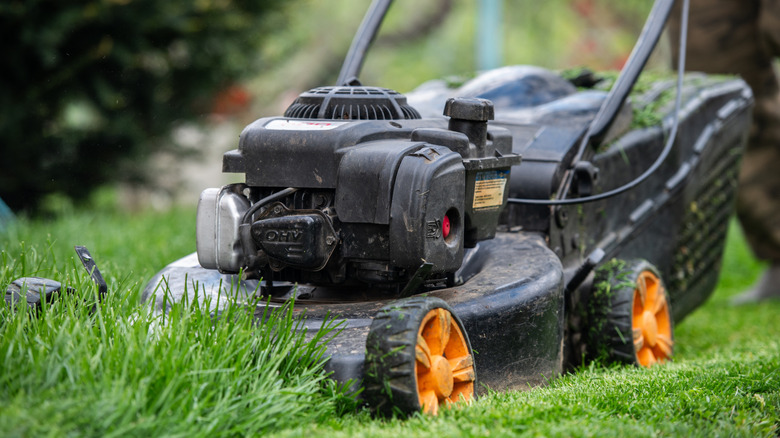
When it comes to mowing your yard properly— so it looks fantastic instead of stressed — it helps to get a handle on the details. Whether you are following the ⅓ mowing rule for a luscious green yard or you are keeping your lawn healthy during the summer heat by letting the grass get a little longer than usual, there are many things you can do to help achieve that lush green lawn you dream about. Deciding what to do with the grass clippings when you mow is a choice that can vary based on your needs. Deciding whether side discharge mowing or mulch mowing is best for your lawn involves understanding the pros and cons of each method.
Side discharge mowing is very simple: It involves ejecting the mowed grass clippings out a side chute attached to the mower and onto the grass, usually a foot or two away from the mower. Mulch mowing involves using a dedicated mulch mower or a special mulching attachment on a converted lawn mower. Special blades grind grass blades into even smaller pieces as you mow, either leaving them in the row behind the mower or collecting in a bag. Chopping up grass clippings even smaller allows them to cover soil more evenly and decompose faster. Specialized mulching mowers feature closed decks that keep the grass inside the deck until the pieces have been chopped up sufficiently. Which machine and which method you choose will determine which features are crucial when buying a new mower.
Pros and cons of side discharge mowing
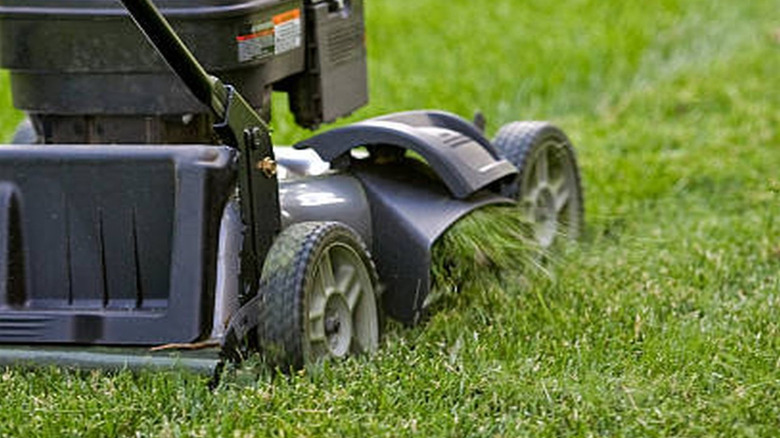
Side discharge is the most popular method of dealing with grass clippings. Most mowers automatically have side discharge chutes already attached to the mower (or one that can be attached easily) so no special attachments or mowers are necessary. If you need to cut tall grass in the yard, side discharge is not a problem and works just fine with tall or even wet grass. Side discharge also produces a nice-quality cut and you can use the fastest mowing speed so it doesn't take as long to mow. The results are even better when you mow the lawn on a regular basis, and are particularly suited for large lawns. If you are a fan of lawn striping, side discharge mowing produces better striping results.
There are a few cons to side discharge mowing. One of the main complaints of side discharge mowing is the rocks and debris that can also be shot out along with the grass clippings and can hit people, cars, houses, and pets. Likewise, grass and weed seeds can be scattered into garden beds as you (or someone else) mows past. Some homeowners don't like the mess that side discharge mowing can make on sidewalks and streets. If the mower is not very powerful, the clippings can be tossed out in clumps which will need to be raked and disposed of or they can leave brown spots on your lawn as the clumps cut off sun and water from the living grass underneath.
Pros and cons of mulch mowing
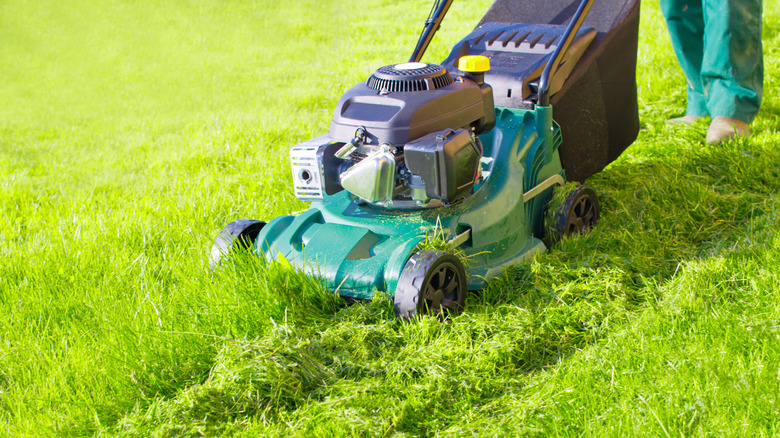
Mulch mowing isn't about grooming existing mulch, it involves turning your grass clippings into mulch. One big advantage is it leaves little to no grass clippings on the lawn that can be seen. Another perk to mulching is that it keeps the nutrients in the lawn, benefitting the health of the yard. When mulch mowing, you can also mow over leaves and mulch them into the lawn as well for added nutrients. Mulch mowers are also less likely to fire off rocks or sticks, thanks to their design, reducing the risk of injury or property damage. You can also buy traditional mowers with attachable mulching kits, adding to your flexibility. Instead of returning grass mulch to your lawn, you can also opt to add a collection bag, and use this nutrient-rich organic matter elsewhere.
There are drawbacks. Mulching while mowing is slower than side discharge mowing. It also does not work as well when the grass is long or wet and you may not get a good cut. Because grass is contained and cut so fine, the underside of mulch mowers need to be cleaned more often than side discharge mowers. This is especially true if you are trying to mulch wet grass. In general, however, the majority of lawn professionals prefer mulch mowing as it's automatically adding nutrients to the lawn and requires little to no raking and clean-up. Deciding which method is best for your lawn will depend on how often you mow, how often the grass is wet or damp, how much time and effort you want to put into mowing, and personal preference.