

What To Do If The Lavender In Your Garden Isn't Blooming
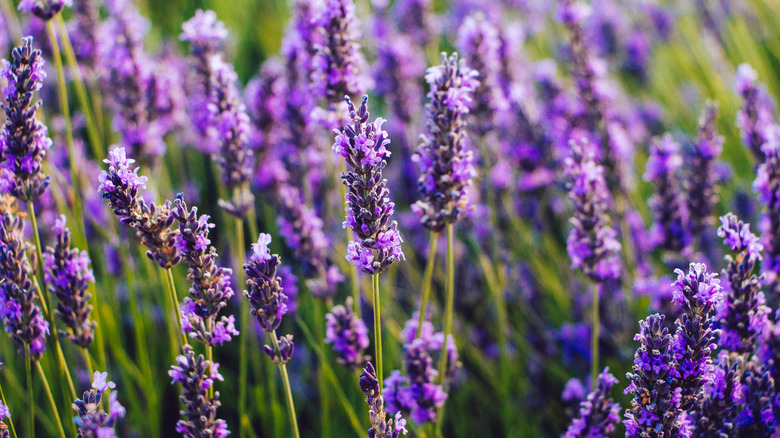
Lavender (Lavandula spp.) is one of those special plants that brings double the pleasure to your senses: It provides not only a pleasant, calming aroma, but also sprigs of gorgeous purple flowers. Lavender's aromatic properties make it a staple among the medicinal plants you can grow in your garden, and it even helps keep pests away. If your lavender isn't blooming, there may be several causes. First, it's possible that it is just too young. Some varieties take up to three years to mature; others may bloom in the first year, but with fewer flowers than after they mature. Also, new seeds or cuttings usually take a little time to get established. If your lavender is still young, it might be a while before you begin to see results.
Still, every plant has specific growing conditions it needs to thrive, and that's certainly the case for lavender, whether English, Spanish, French, or another of the approximately 45 species and 450 varieties. If the lavender in your garden is established enough to bloom but still isn't producing fragrant flowers, it's likely due to insufficient sunlight, woody growth, or too much water around the roots. Luckily, each of these problems can be fixed with some help.
How to help lavender bloom
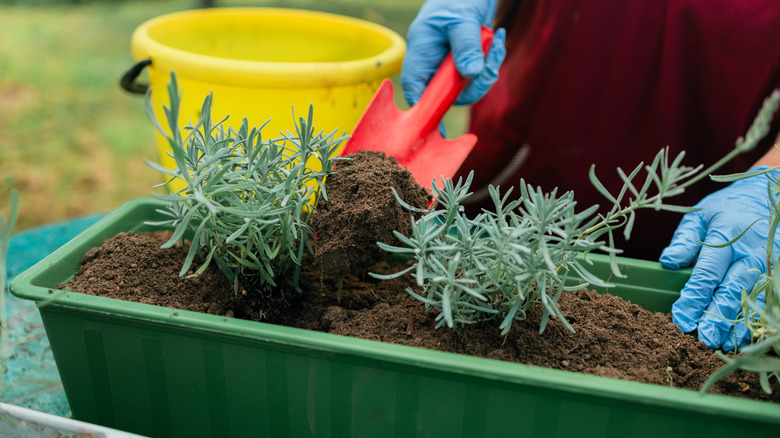
Before making major changes, visit your lavender patch at various times of day to see whether it's getting enough sun. Lavender hails from Mediterranean regions where sunshine is abundant, and even cool weather varieties need six to eight hours of direct sunlight in spring and summer to thrive. Without this, lavender is likely to produce fewer or no blooms, and it could even become less fragrant than the same variety planted in full sun. If your lavender grows in containers, simply move them to a sunnier location. If the plants are in the ground, look for any shade-causing obstructions, like a patio umbrella or overhanging tree branches. If you can't change whatever is causing the shade over your lavender, consider transplanting them somewhere sunnier.
If your plant gets enough sun but it's still not blooming, make sure the roots aren't staying too wet. As a drought-tolerant plant, lavender prefers dry, well-drained soil with a neutral to slightly alkaline pH, so amend as necessary. If you've been overwatering or your garden has received a lot of rain, cut back on your watering schedule. Don't water the lavender again until the soil is dry at 6 inches deep. If excessive moisture is a recurring issue, improve drainage by mixing in sand or gravel — in particular, gravel is a great way to get more blooms on your lavender.
Finally, adhere to a proper pruning schedule. Over time, you'll see woody growth develop, which is natural with a plant's age, but it's also where the plant's energy goes instead of into new flowers. With regular pruning, you're making sure there's plenty of new growth, and that's where buds and flowers appear.