

Why You May Want To Reconsider Using Electric Fencing In Your Yard
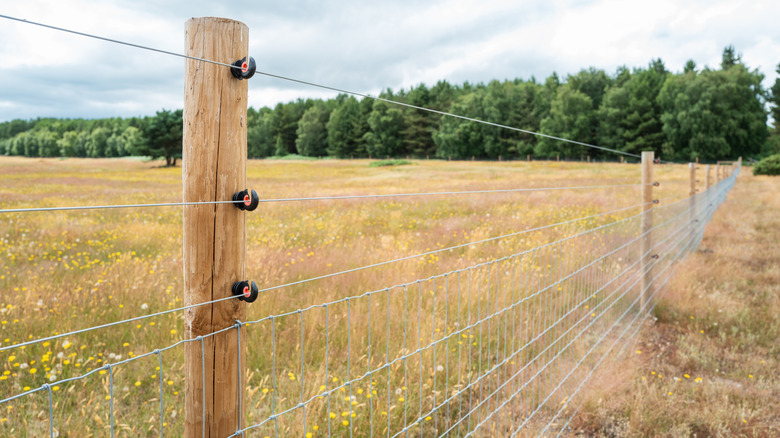
When you are looking to pick a fence for your yard, electric fences may seem like an attractive option due to their animal-repelling properties. When animals come into contact with the fence, they'll receive an electric shock that acts as a deterrent, keeping them in or out of your yard. There's also wireless fencing, which is designed to keep your pets in using a shock collar. While the electric component may sound like a convenient addition to your fencing set-up, the practice poses several problems for your yard and your animals.
The primary concern with backyard electric fencing is an ethical one. For your pets, both electric and invisible fences can be quite traumatizing. They're known to cause aggression, loss of trust, and physical burns. In some cases, pets will be so affected by the pain that they'll be too scared to enter their own yard, or learn to associate the beep that some collars produce with pain. When they create this association, they can then become terrified of other beeping sounds, such as microwave buttons being pressed. Additionally, invisible fencing isn't guaranteed to keep your pets in, and it provides no protection from intruders. Meanwhile, physical electric fences risk harming wildlife as well as your own animals.
In addition to the ethical concerns, electric fences can be impractical. When the functionality of your fence requires constant power, it's in constant danger of losing it. This, coupled with the need for regular maintenance and inspection, means an electric fence is not as reliable as the traditional kind.
Alternatives to electric fencing

If your priority is keeping animals in and out of the yard, there are several benefits to choosing a non-electric fence. The first and largest is added safety for animals. Without the shock factor, you can let your fence act as a normal barrier. Traditional fences also are much more environmentally-friendly, as they are less invasive and require no power.
When choosing your fence, you first must choose the style, which depends on whether or not you want privacy. A privacy fence is going to be much larger and taller than other types, as it functions as a visual barrier as well as a physical one. If you value seclusion along with the safety of animals and wildlife, this may be a great option for you. Privacy fences come in many materials, primarily wood or vinyl; vinyl typically runs more expensive than wood, although it also lasts longer. If you value a more natural feel, you should know how much it typically costs to install a wooden privacy fence in your backyard.
If privacy matters less than the contents of your bank account, a chain link fence might be for you. The typical cost of installing a chain link fence in your yard is significantly less than a privacy fence, and these fences do just as good a job at keeping animals in and out in an ethical and safe manner. Chain link fences are also highly durable and will last a long time with little maintenance. If neither option is appealing, you can also consider the fence alternative that'll have birds flocking to your yard.