

A Cost-Effective Method That Can Quickly Transform A Tomato Garden
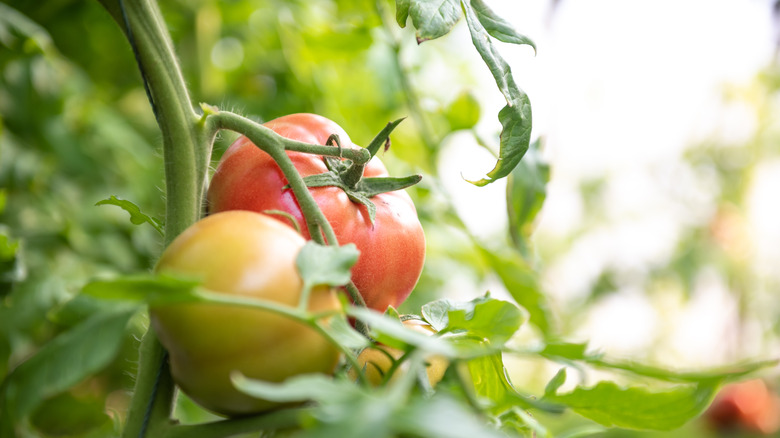
If you've ever tried growing tomatoes, you've probably noticed that they have very little structure, and their vines spread across the ground. But this issue doesn't always appear immediately. Young tomato plants stand up straight, but as the summer months pass, they get much larger and heavier. This can be an issue for two reasons: When vines spread across the ground, they take up way more space in your garden or raised beds. Unless you live out in the country or in a suburb with large backyards, this can be a problem. The second issue is that vegetables and vines are more likely to succumb to pests and fungus when they are left on the ground. But you can solve both of these problems by constructing a string trellis. As well as good for your plants' health, trellises can help you maximize your outdoor garden space on a budget.
For this project, you will need to take a trip to your local hardware store to get some materials. First, you'll need several rebar stakes. They can be any size, but about a quarter of an inch is ideal. You'll also need several pieces of flexible 1 ½-inch PVC pipe. Even if you can't find materials with those exact measurements, you need to make sure that the rebar stakes fit snugly into the PVC pipes. The amount of piping and rebar is solely determined by how large of a trellis you need. You will also need some strong twine, which is what the plants will actually grow up, and zip ties. Once you have these materials, you should be able to construct your trellis quickly and easily. Then, all you have to do is wait for the best time of the year to plant tomatoes in your garden.
How to construct a string trellis
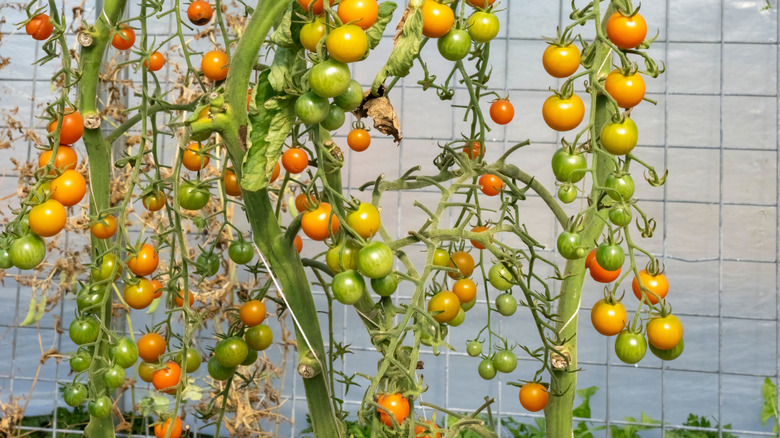
The first thing you need to do is pick a spot for your trellis, which should be placed directly over your rows of plants. Place the rebar stakes into the ground across from one another on either side of your row. You may need a hammer to pound them in. Then, place the PVC pipes onto the rebar stakes on either side to form arches. Your trellis will have to support some weight, so it will need more structure and stability. To do this, run PVC pipes across the arch line and zip-tie them firmly.
For each plant, tie one end of the piece of twine to the arches and tie the other end to the base of each plant. You can also spiral the twine around the plant for additional support. This will allow you plants to climb up the twine, staying upright even as the plant reaches new heights. If they have trouble climbing, you can tie the tops of the plants to the hanging twine. Just make sure not to tie the twine too tightly around the plants, because that can cut off their flow of nutrients as they grow.
This trellis design also works for a variety of plants, not just tomatoes. Other plants that benefit from trellises include cucumbers, peas, and squash. If this trellis idea doesn't work for you, there are plenty of other options — you can even make a trellis using old mattress springs.