

How To Tell If It's Fleas Or Ticks Taking Over Your Yard
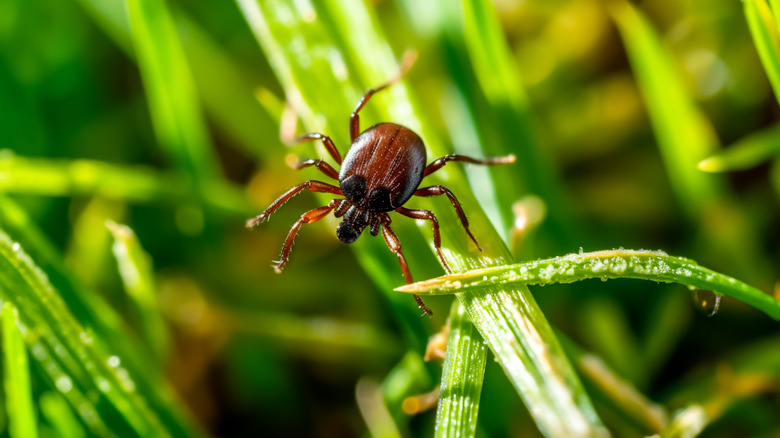
There's something special about walking through your backyard, enjoying your own personal slice of wilderness. Your morning stroll might include watching your dog sniff around their favorite spot or tending to the raised gardens you made yourself. However, such an idyllic picture can quickly come to an end once you look down and find your legs covered with itchy, irritated bites.
While songbirds and other wildlife may be welcome in your yard, ticks and fleas can also take advantage of your outdoor space. At first, their bites may be a minor nuisance. However, the situation can quickly escalate if an infestation occurs, not to mention the different diseases these critters can carry. Since ticks and fleas differ in their life cycles and behaviors, you may need to tailor your pest management approach to the species at hand, which means identifying the culprit first.
Thankfully, despite their shared love of blood, there are several features that can help you determine whether your biting pest problem stems from fleas or ticks. This includes their physical appearance — if you can catch the culprit red-handed — or tell-tale clues they leave behind, like feces or eggs. Differentiating between fleas and ticks in your yard is often easiest when you can see the animals themselves, since they leave few significant signs behind. If this isn't possible, you may wish to enlist the help of a pest management professional.
Signs fleas are hiding in your grass
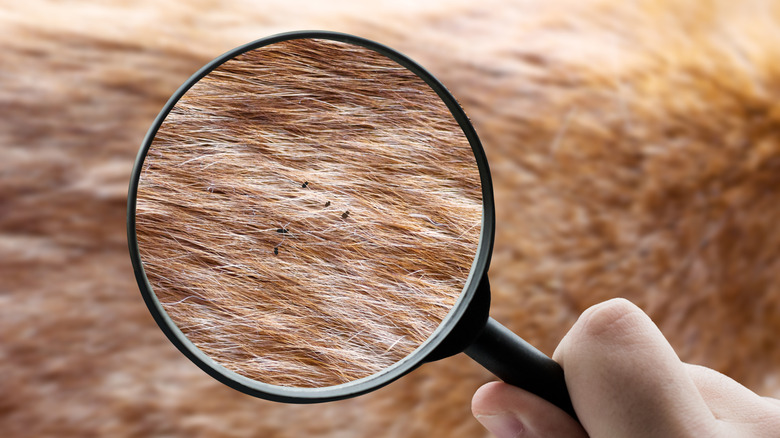
When you think about fleas, you may immediately picture your furry friend. While it's true that fleas can infect both pets and people, that's only one sign of a larger problem. Searching your pet's fur may reveal flea droppings — tiny black flecks of dirt — or even the insects themselves. You might also notice related skin issues. Itchy bumps and rashes, along with hair loss, may be indicators that your pet has a problem they might have picked up in your yard.
Even without a dog or cat, you can still have fleas in your yard, and there are other indicators to keep an eye out for. For example, if you're suffering from itchy bites after a stroll outside and your yard has the right conditions for fleas, then that may be a sign that fleas are your problem, versus ticks. Fleas like moist environments, such as an overwatered lawn, and may flock to areas of clutter or piled-up debris. Leaving your grass long and dense is another yard mistake that can attract fleas. If you have outdoor cameras, you might also see wildlife visiting your yard, which may be playing a role in a flea infestation.
If you suspect fleas, knowing what they look like can help you make a clear identification. Fleas are small, typically less than ⅙ of an inch long, with a dark red-brown exterior. While they are visible to the naked eye, their small size can make it difficult to make out features. However, they do have powerful back legs for jumping and no wings.
Signs ticks are taking over your yard
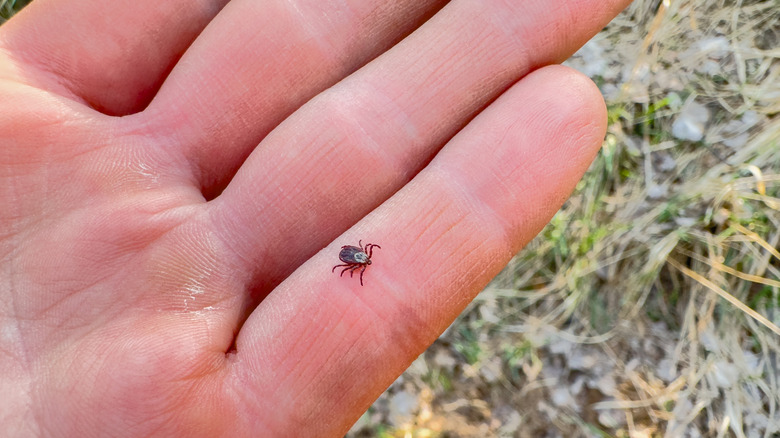
Ticks are different from fleas in many ways. For one, they're not insects but arachnids, like spiders. They also tend to bite down and attach, rather than simply leaving itchy bumps in their wake. Tick bites are usually painless, and their aftermath is less noticeable than flea bites. This means they can attach to you or your pet without you noticing as you stroll through your yard. After attaching, you may notice the tick while it's still feeding, or you may notice its bite mark after you remove the tick, especially since their bites are known to cause serious diseases and complications.
Because of the different diseases they spread, it's important to avoid tick bites when possible, which can be done by knowing what their habitats look like. While there are differences to keep in mind, ticks do like many of the same environmental conditions that fleas do. This includes the presence of wildlife in your backyard and dense shrubbery or debris where they can hide until finding a host. Once these hitchhikers catch a ride, you likely won't find them scurrying around or leaving droppings in your pet's fur. Instead, they often attach in areas that may be hard to see, like your hairline or behind your ears.
There are many different types of ticks, and not all species look the same. However, you can identify these critters by their eight legs and dark red or brown appearance. If you caught one before it could attach, it may be small. However, after consuming blood, they swell up and grow in size, which can make it easier to identify.