

What To Know Before Trying The Chop-And-Drop Gardening Trend
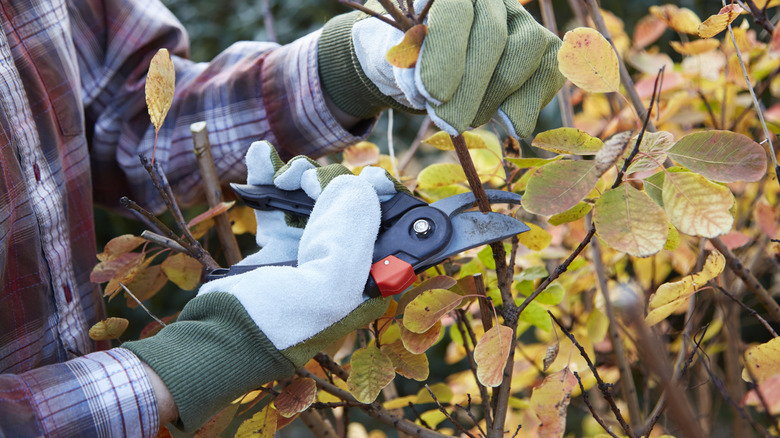
Gardening is a lot of work. In the spring, you're busy getting the soil ready and planting seeds. Summer brings harvesting and watering. Even in fall, you're balancing harvests and care. At the end of the growing season, you're left with a lot of dead plants to cut up and remove from the beds to get everything ready for the next year. This usually involves ripping out plants and throwing them somewhere, whether the compost pile or the trash. However, there is a third option you can try that will improve your soil while reducing end-of-season labor: the chop-and-drop method. This is pretty much what it sounds like. You take your dying plants at the end of the season, cut them down, and leave the debris where it falls. Unfortunately, while it sounds like the perfect solution, it does have some downfalls.
This method is great for many reasons. The biggest is that it's easy. Instead of having to cut down all of your plants and then haul them somewhere else, you simply chop them up and forget about them. It may also help eliminate some of the need for fertilizer, as the plants will decay over time, replenishing the nutrients. It's kind of like the process of transforming fall leaves into fuel for your garden, but using plants already in the bed.
Because it mimics natural processes, there's less to worry about. You can use this method with pretty much any plant in your garden, though if you still want compost, you can focus on nitrogen-fixing options like beans. There are also a few plants you don't want to prune in the fall to keep them healthy and thriving.
Some of the main concerns with the chop-and-drop method
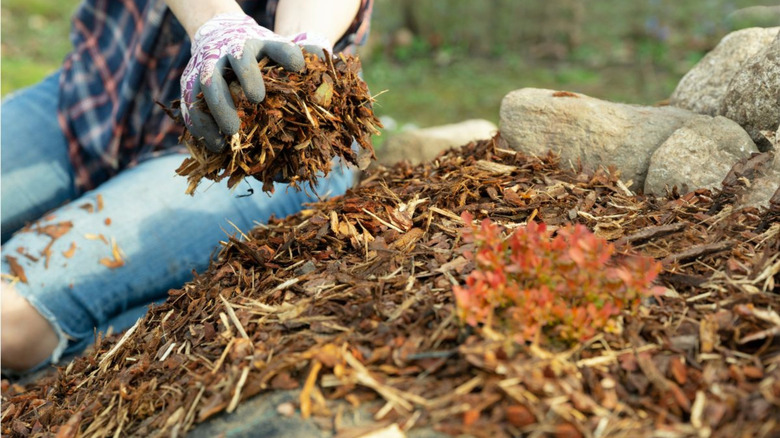
While this can be an easy method for cleaning out and preparing your garden for next spring, there are some things you need to be concerned about. One such issue is pests. Leaving a layer of decaying material on top of your soil can end up creating a perfect habitat for animals like snails and slugs. If you are already fighting with these pests, then it may be best to skip this method so you don't further entice them into your garden.
On the other hand, it can also be a positive. While it does attract some not-so-good animals, it is an ideal overwintering ground for beneficial insects you want to think twice about killing, such as ladybugs and toads, which will keep away pesky insects like mosquitoes. You'll need to weigh whether attracting beneficial creatures is worth the risk of inviting harmful ones.
Another potential danger is the cuttings potentially reproducing. Certain plants can self-seed and come back the next year. While this is still a potential issue with other methods to get rid of dead and dying plants, the process of leaving the seeds in the bed makes it all the more likely. Additionally, certain species actually regrow from cuttings, such as vines and succulents. By the time it comes to planting your next round of seeds, these other plants could completely take over your garden. This may potentially be a good thing if your plans for next year's garden included growing the same plants. However, if you're looking to change up what is growing in your beds, then the chop-and-drop method could lead to more work for you.
What else to consider with the chop-and-drop method
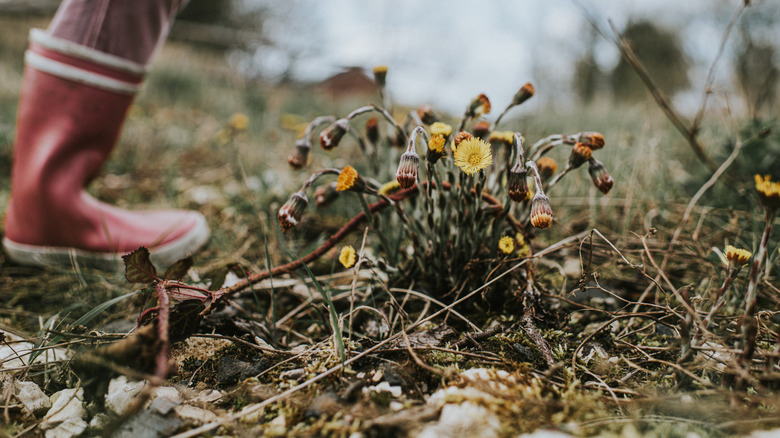
Disease is also a concern. If you just go cutting down all of your plants without paying attention, you risk disease taking root in the soil and compromising next year's harvest. In compost, heat can sometimes kill off the diseases that would plague your garden. However, because garden soil will stay cooler during the winter, some diseases such as powdery mildew can survive into the next year. You have to be careful and check every plant before you simply chop-and-drop, as there's a pretty big risk if you miss the signs.
Sometimes, people use it only on weeds pulled from the garden. In theory, this could be an amazing way to take those problematic plants and make them actually benefit your garden. However, weeds tend to be a little more durable, and some may reroot or grow from cuttings, which could just make the problem worse. Unless you're familiar with the weeds you're pulling and how they reproduce and spread, it may be best to avoid this method.
Chop-and-drop is a practical and useful way to improve your garden, but it isn't as simple as you might think, and it isn't ideal for every situation. You can certainly try this method, but it's important to understand the risks first. It may be a good idea to start small with a couple of beds and see how it goes from there. Another important thing to remember is that leaving debris on the surface of your beds may make it more difficult to plant seeds in the future. Whole plants don't always break down easily, especially in cooler weather. To prevent this, cut up your stems into smaller chunks.