

What To Know About Nemesis Planting Before It Wreaks Havoc In Your Garden
If you're an avid gardener, you already know about companion plants and how they impact your garden. However, you may not have heard about nemesis planting, which involves plant combinations that negatively affect one another. In the competitive plant world, it's survival of the fittest, and many species succeed by making life difficult for others. It's one reason you should avoid placing certain plants and trees anywhere near your blueberries.
Whether it's vying for the same resources, attracting the same insects, or releasing chemicals that inhibit the growth of their neighbors, some plants are relentless competitors. In many cases, it's easy to see how certain plant combinations don't pair well together. They compete by blocking sunlight or stealing nutrients from the soil. Mint spreads quickly and aggressively, for example, outcompeting almost everything else around it. In contrast, the biochemical sabotage used by some plants to crowd out the surrounding vegetation is much more subtle.
When it comes to gardening, understanding which plants use competitive strategies allows you to prevent problems before they happen. Certain plants, like walnut trees, release juglones or other chemical compounds into the soil, air, and water that can kill surrounding vegetation, a process known as allelopathy. According to Science Direct, Hans Molisch coined the term allelopathy in 1937 to describe how plants use chemicals to edge out their competition. Since then, researchers have studied how these chemicals can stop seeds from sprouting, stunt leafy growth, or affect soil microbes. They've even studied how to use the process beneficially to control unwanted or invasive species.
Save time and money by knowing which plants don't pair well

In your garden, the goal is to get everything to grow abundantly, but if you're not paying attention, you can make life a lot harder for yourself and your plants. Avoiding nemesis planting is the key to preventing costly gardening mistakes that waste time, seeds, and money. It's much easier to use traditional companion planting methods and low maintenance plant and flower combos. By keeping rival plants apart, you can create a thriving garden where plants support each other instead of working against one another.
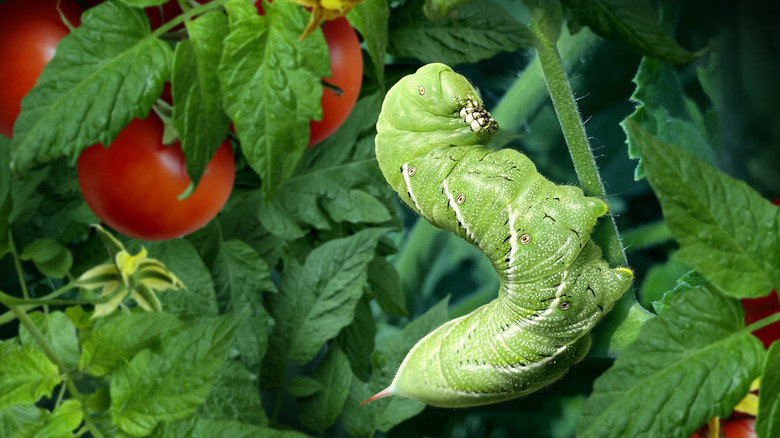
Nemesis planting also causes easily avoidable pest problems. For instance, growing eggplants with tomatoes or peppers is a bad idea because they are in the same family and attract similar pests. Sunflowers are another nemesis plant for tomatoes because they release toxic allelopathins that stunt the growth of other plants. They also block out the sun and compete for valuable nutrients. By doing a bit of research before planting, gardeners can avoid nemesis plant combinations and set themselves up for success by consulting local university extensions and reliable online resources to identify incompatible plants.
Once you know about nemesis planting, it opens the door to discovering different types of plant competition, both above ground and beneath the soil. You'll understand how plants compete with each other for sun, water, and nutrients, and you'll make smarter choices about placement and spacing. By steering clear of nemesis pairings, you can avoid common gardening mistakes, save money, and work less while still enjoying a healthier garden all season long.