

The Must-Plant Flower If You Want Hummingbirds In Your Shady Garden
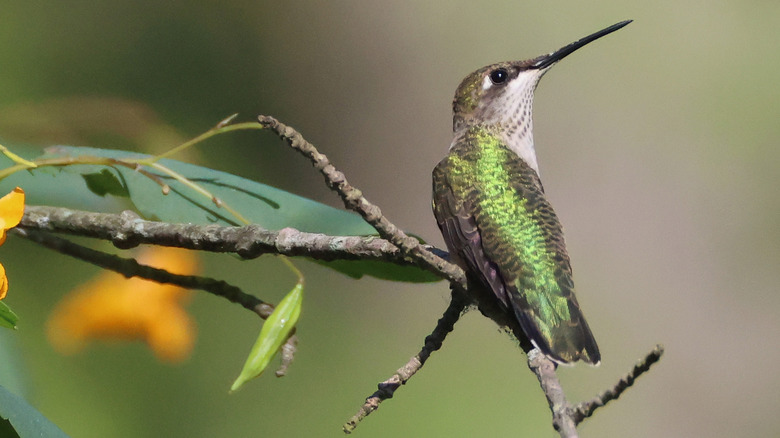
Hummingbirds are an interesting bird species to welcome into your garden if you want to be entertained. Their eating habits, watering habits, and interaction with other birds provides plenty of enjoyment for any bird lover. To increase the hummingbird numbers in your garden, there are many things you can do that work well to lure these little pollinators. Start by planting a variety of stunning plants that attract hummingbirds.
If you have a garden with some shade, a great plant choice is the bright orange native Columbia lily (Lilium columbianum) which grows in U.S. Hardiness Zones 5 through 9. Also known as the Oregon lily or tiger lily, this beautiful plant has large orange blooms with dark maroon speckles and long, protruding stamens that draw butterflies, birds, and other pollinators like a magnet. The hummingbirds will love the tubular shape of the flowers and its reddish-orange color, too.
Columbia lilies are perennial flowers that bloom in summer and fall and can reach impressive heights of 2 to 4 feet. The should be spaced 12 to 18 inches apart. Please note that this lily is toxic to felines, so it is best to keep your cats out of the garden as much as possible and don't keep lilies indoors with cats.
How to plant and care for Columbia lilies
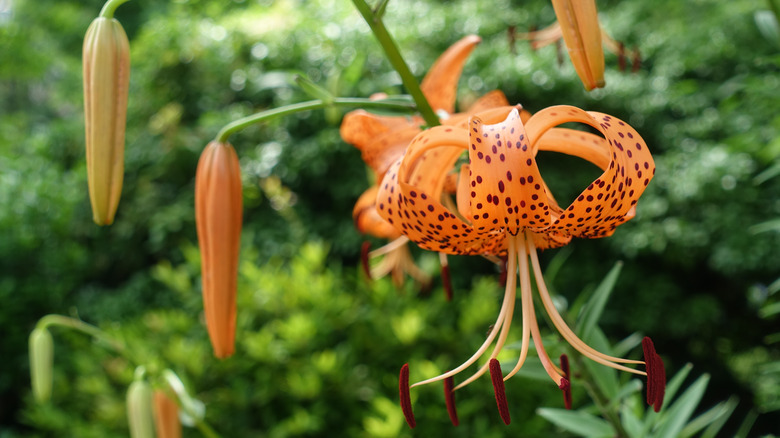
Columbia lilies are moderately easy to grow, but do have specific sunlight and moisture needs to thrive. Plant your lilies in the ground in the summer so that you'll see them starting to grow the following spring — though it may be a few years before you see any flowers. Location is everything, too. You want to find space that is in part shade.
They can handle these shady gardens, so don't let that deter you from adding these lovely lilies to your lineup of plants that attract a diverse variety of birds. Ideally, look for loamy or sandy soil that can retain moisture without becoming waterlogged. Native plants like these typically don't need much fertilizer, but you should water regularly to make sure your well-draining soil is still moist.
Pruning needs are not overwhelming, but may make a big difference in the health of your lilies. Remove the spent flowers on the lilies on a regular basis to encourage the plants to bloom again, and once the foliage has died back for the winter, you can start heavier pruning. Keep an eye out for aphids, as the pests are attracted to most types of lilies. If you see any, deal with them immediately.