

Avoid Using These Sweeteners In Your Homemade Hummingbird Nectar
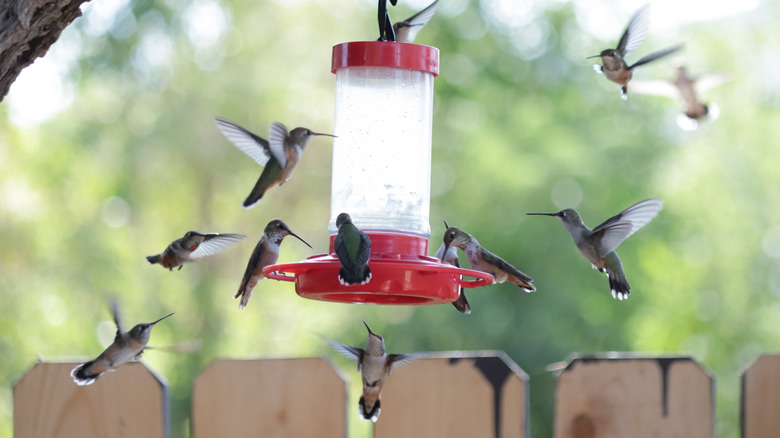
One of the most important things hummingbirds need is a food source they can count on. Flowers are the best source of food for hummingbirds, like any one of these 13 stunning plants that will attract hummingbirds to your garden. But in addition to planting a variety of hummingbird-attracting plants, you can supplement their food sources by making homemade nectar for hanging feeders around the garden. The safest and best nectar for hummingbirds is made by mixing one part sugar with four parts water. Providing this homemade nectar to the hummingbirds will not replace flowers, but it does give them additional energy, especially during the seasons when flowers may not be as abundant.
Although there are many different types of sweeteners out there, none of them are recommended for use when making nectar for hummingbirds due to the health problems these alternative sweeteners can cause your little fliers. Honey is a common alternative that people use in place of sugar, but it has no place in hummingbird nectar. Honey naturally contains certain fungi and bacteria that are deadly to hummingbirds. It is also extremely sticky, which can pose a real danger to these tiny birds if their feathers become stuck together from the honey. By the same logic, you can bet that molasses and syrups, including corn syrup and maple syrup, also have no business in a hummingbird feeder.
Other alternative sweeteners to avoid in your nectar
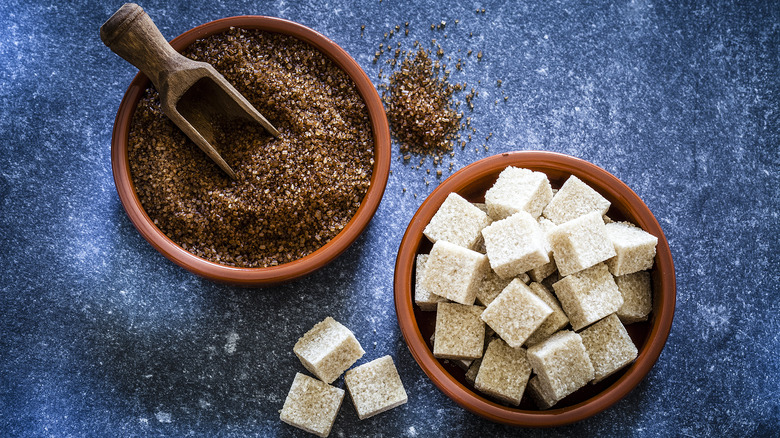
Another common sweetener misused in nectar is brown sugar. While "sugar" is in the name, brown sugar is not a good or safe substitute for pure granulated white sugar. Both dark and light brown sugar contain molasses, which, in addition to being sticky like honey, contains high levels of iron that are potentially dangerous for hummingbirds.
While artificial sweeteners like Stevia and Splenda are commonly used as low-calorie sugar alternatives for people, they should never be used in place of pure granulated sugar in your homemade hummingbird nectar. In addition to not offering any caloric value to the birds, there are ingredients in artificial sweeteners that can make it dangerous for these tiny fliers.
Other sweeteners you should never use for making hummingbird nectar include agave sweetener, monk fruit, or raw sugar. All of these can have potentially harmful results for hummingbirds, including digestive issues. To keep your feeders hummingbird-safe, only use pure white granulated sugar and water to make nectar, and thoroughly clean all parts of your hummingbird feeders whenever you refill. Once you have your pure hummingbird nectar made, you can make your yard even more inviting when you add a mister, which helps hummingbirds stay cool and hydrated.