

How To Easily Get Rid Of Grass Burrs In Your Lawn
We may receive a commission on purchases made from links.
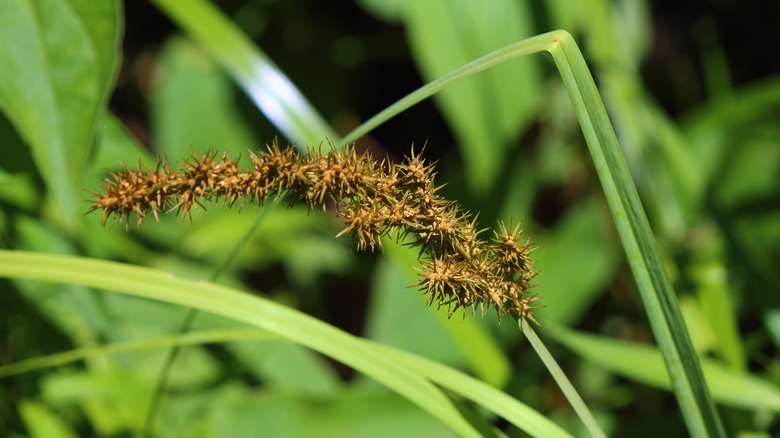
Grass burrs, sticker burrs, sand burrs, burr grass ... all of these monikers describe a lanky weed with a plume of spiky seeds protruding from the top. Besides being unsightly, these pokey plants can cause a bit of pain for those unfortunate enough to have one embed in their hands or feet. These prolific weeds have a reputation for causing frustration as well as pain, as they can quickly take over your yard. Many feel the fight against grass burrs is a never-ending battle once they've become established. However, you can easily get rid of grass burrs in your lawn with good lawn maintenance, and well-timed applications of herbicides.
Grass burrs spread by clinging to objects such as clothes and animal fur, then being deposited in a new location. Wind and water can also help broadcast the seeds. Given that as many as 1,000 seeds come from each plant, it is easy to see how these thorny grasses can quickly overtake a lawn. This is also why attempting to hand pull or spot treat grass burrs is a losing battle unless you catch it very early and have only a few weeds to remove.
The best way to prevent an invasion of grass burrs is to maintain a healthy lawn, which includes proper watering, fertilizing, and mowing techniques to control weeds, including grass burrs. Even then, grass burrs can find their way into your lawn — to easily get rid of them, use a combination of pre- and post-emergent herbicides.
Timing is key for effective grass burr control
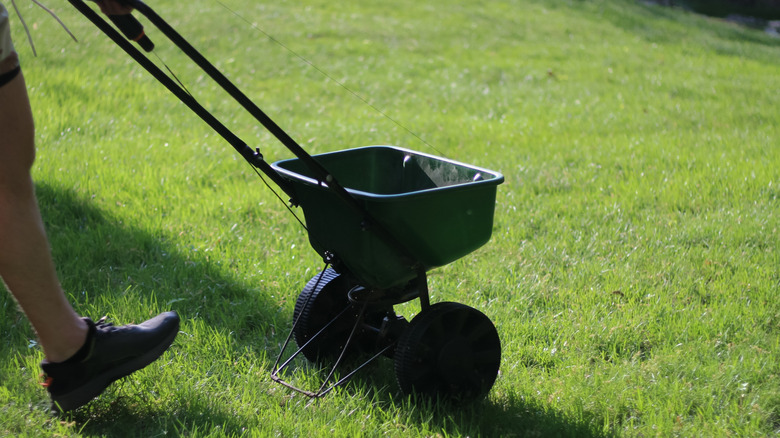
Most experts agree that pre-emergent herbicides are the most effective way to keep these pesky annual weeds at bay. Given that it is a warm-weather weed, the above ground portions of grass burr plants die off and are dormant in the winter, but they can and will return the following season. To prevent this, using a pre-emergent herbicide should be part of your routine for taking care of your warm weather lawn.
For a pre-emergent herbicide to be effective, it must be applied before the seeds begin to germinate. This is related to soil temperature and varies by region and winter weather. Typically, application happens in late winter or early spring. This timing is often thought to be a secret only lawncare experts know. However, you can determine the right time by using a soil thermometer like the Reotemp Soil & Compost Thermometer and referencing the directions on the product package. Resist the temptation to put it out too early, as excess rain or lawn watering can cause the product to be diluted or rinsed away before it can prevent germination.
While pre-emergent herbicides are the first line of defense against grass burrs, should you see some of these weeds sprouting in your yard as the weather warms, all is not lost. It's possible to treat grass burrs with post-emergent herbicides, but take care to buy a lawn-safe formula. A number of these products are not suited for use on popular warm weather grasses such as St. Augustine, so always check the label before application. Even if you use a post-emergent herbicide in the summer, you should still apply a pre-emergent treatment in late winter or early spring for optimal protection.