

Have Your Hydrangeas Failed To Bloom? Here's A Common Reason Why.
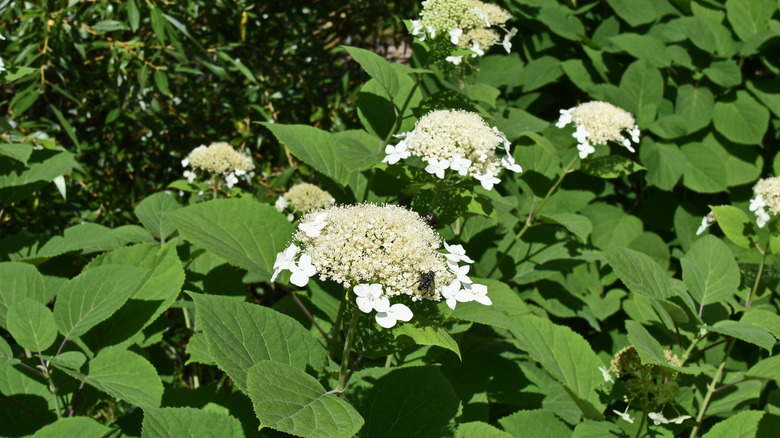
Hydrangeas are a great addition to any garden. Not only are they beautiful to look at, but they are also low-maintenance and resistant to pests and diseases. This popular shrub produces large globes of flowers in a variety of colors, including pink, blue, red, green, white, and purple. With hydrangeas having such gorgeous flowers, it can be terribly disappointing when they fail to bloom. When this happens, a common culprit is improper pruning. This tends to be more prevalent in varieties that produce flowers on the plant's growth from the previous year. This is called blooming on old wood.
The most important piece of information you need when it comes to proper pruning is what variety of hydrangeas you have in your garden. Some bloom on old wood, and some on new wood. If you have a type that blossoms on old wood, and you prune the plant between late fall and early spring, you've actually removed all the upcoming flowers for the next season. Common varieties of hydrangeas that bloom on old wood include oakleaf, climbing, big leaf, and mountain. The best time to prune the old wood varieties is immediately after they are done blooming, when the flowers fade, and before new buds emerge.
New wood bloomers include panicle and smooth hydrangeas. Pruning for these varieties is best done in late winter and early spring. If you do a little bit of pruning in mid-spring, you can encourage more blooms.
Other common problems that can hinder blooming
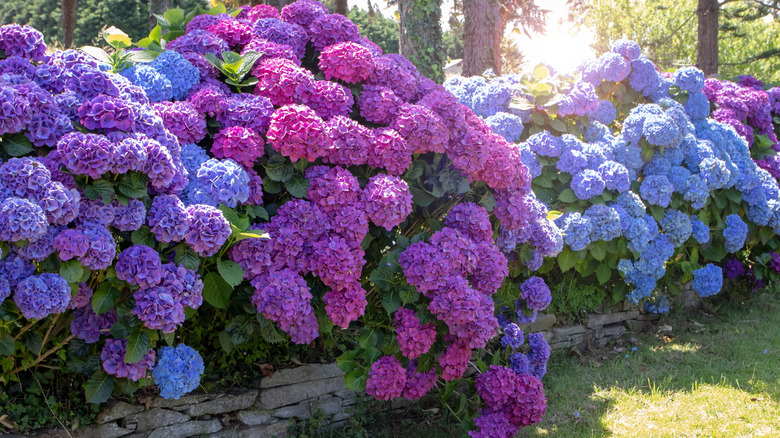
Other common causes of failure to bloom in hydrangeas can include issues with improper watering, sunlight issues (too much or too little), and improper soil conditions. The good news is that these issues are easy to solve and are completely preventable with some early planning. Hydrangeas are not complicated plants to grow, but like any plant, it has certain soil, water, and sun preferences that will make them thrive. Once you know the varieties you have, double-check the hardiness zone for your region and ensure that the ones you already have or you choose to plant fit your zone.
Hydrangeas do very well in dappled shade, making them a perfect perennial to brighten up the shady areas in your garden. Your plants can have too much, though, so make sure they get enough sunlight every day. The sweet spot for hydrangeas is 3 to 4 hours of direct morning sun and afternoon shade.
The best soil for your hydrangeas is a slightly loamy, lightly acidic soil that is well-draining and kept moist, not soaked. Make sure the soil is rich and add compost. Follow good spring fertilizing tips to keep your hydrangeas looking impressive all season; once per year, use a good slow-release fertilizer. Don't overfeed your plants, or the excess nitrogen can impede blooms. Last but definitely not least is watering needs. Your hydrangeas need consistent water in well-draining soil that isn't soggy or too dry. With the right water, soil, proper pruning, and sun combination, your hydrangeas should produce the exciting and abundant blooms you have always wanted.