

The Stunning Small Shrub That'll Help Keep Ticks Out Of Your Yard
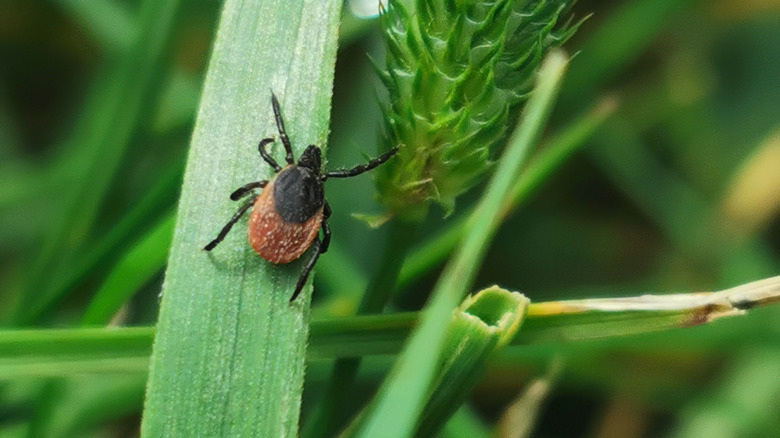
As a homeowner, one of the most frustrating tasks can be controlling pests in your yard. Rabbits can rob your garden of vegetables, squirrels can dig up bulbs in your flower beds, and deer can strip fruit trees of their bark. But at least you can block larger mammals using fences and chicken wire. When it comes to smaller pests, you might have a bigger problem. Ticks are one of the worst pests to have in your yard because they carry diseases and aren't very noticeable, even if they attach to you or your pets. But there are measures you can take to ward them off. Using gravel is a good landscaping trick for defeating ticks, and many people try curating pest-repellant plants in their yard, with one notable example being rue (Ruta graveolen).
Rue is a perennial shrub with rounded leaflets and small yellow flowers. This plant, which has been referenced in literary works such as Shakespeare's "Hamlet," is a strong part of both Ukrainian and Lithuanian folklore. In Sephardic Jewish tradition, it's known to protect against the evil eye. It can attract pollinators and repel deer, and while it's often used as a culinary herb, it can make people sick in large doses, and if your pets eat too much of it, they can die. But most importantly, ticks don't care for its scent, and rue can keep these bloodsucking arachnids out of your yard.
Things to consider when planting rue in your backyard
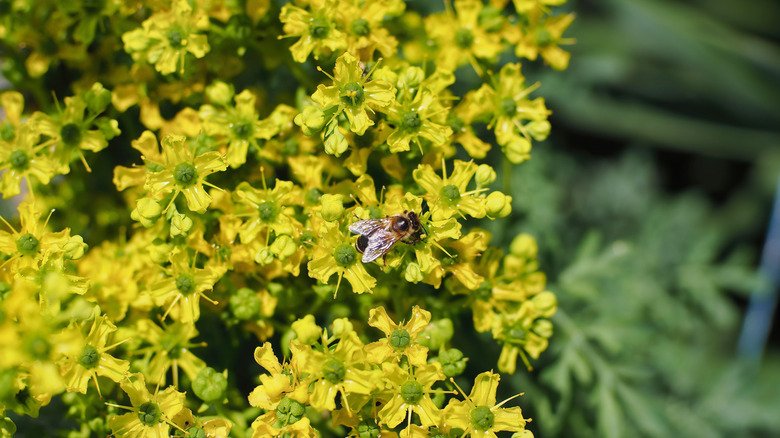
When you plant rue, make sure to wear gloves because direct exposure to the sap can cause rashes and blisters. You should leave the plant in areas where people aren't likely to brush past it, and keep in mind that the effects of the plant are aggravated on warm, sunny days. It's best to put rue in the ground in the spring, when the temperature hits about 70 degrees Fahrenheit. The seeds take about one to four weeks to germinate. Rue doesn't require fertile soil, and it can even grow in gravel. It's best to plant rue in a space where it's exposed to as much direct sunlight as possible.
If you have pets, consider setting up a chicken wire guard to protect the plant. If your animals eat a small amount, they will probably just get sick for a few hours, but it's better to err on the side of caution. Make sure to plant the herb in a part of the yard that your pets tend to spend the least amount of time. It's best to plant rue in a fenced-in backyard rather than your front yard where other people's pets or children can be exposed to it.
There are also several other plants that can repel ticks, including herbs that will add some flavor to your cooking. Herbs like lavender, mint, and rosemary repel ticks with their scent, and if you want to add some color to your yard, chrysanthemums will also repel ticks. There are several other options you can employ if you want to avoid tick bites. For example, keeping the lawn well-maintained is a vital step because ticks find shelter in high grass, but if you're looking for a pop of yellow in your garden, rue is probably your best bet for beating ticks.