

How To Determine The Best Type Of Moss To Use In Your Landscaping
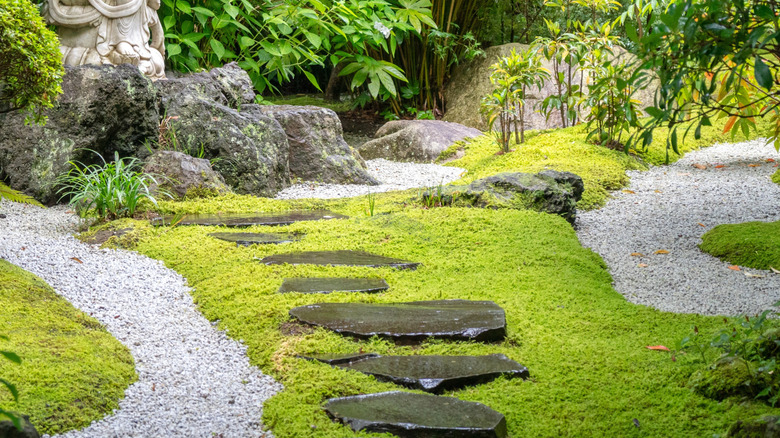
There are two opinions that most homeowners have when it comes to moss. Some think it is no better than mold and use certain lawn care practices to control moss in their yard, and are happy to get rid of it. The other side loves the outdoorsy look it adds to rocks and shadier areas of the yard — it's definitely a clever alternative to grass, so some people are happy to have it be a part of their outdoor space. If you're on the pro-moss side of the fence, you will love how easy it is to grow and take care of. However, before you get started growing your moss lawn, you need to determine the right type that can work for your landscaping.
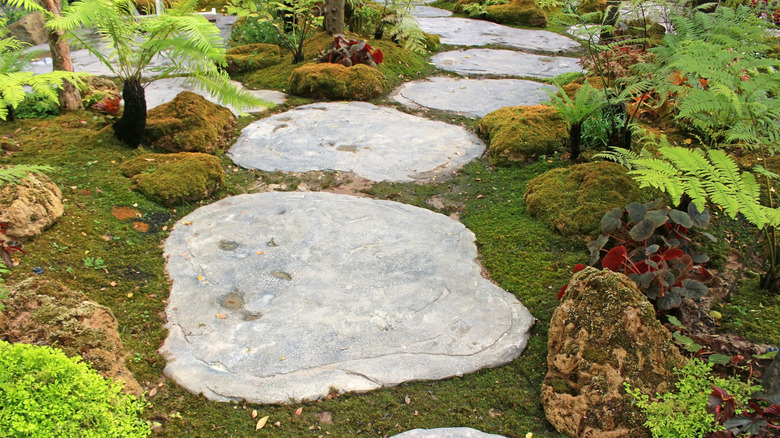
Homeowners that want to cover patches in their lawn might try planting Irish moss, a vibrant ground cover that fills in those bare patches really well. Moss is also commonly used to create rock gardens. It can grow in between pavers to make a beautiful and unique walkway and fill in shady areas of the yard that may not be suited to other types of plants.
There are many benefits to having moss in your garden. It can function as a great air-purifying filter that may result in improved air quality in your outdoor space. Like many other plants, moss releases oxygen into the air and provides a healthier environment. Another benefit is that it makes a great weed barrier. Since moss grows thickly and spreads quickly, weeds don't have the chance to take root and spread. Moss can also help with soil erosion can keep dirt in place on hills and slopes. This is especially true when using mosses from the Hypnum genus, such as sheet moss and carpet moss.
Which is the best moss for your yard?
There are more than 20,000 different varieties of moss that fall into one of two categories: Pleurocarpous, which spreads like carpet, and Acrocarpous, which grows upright. When deciding which type of moss you want to plant in your garden you may want to choose one of the more common moss varieties that will fit your planting area, climate, and soil availability.
The most common moss is known as sheet moss (Hypnum curvifolium). This is the type of moss you usually see covering rocks, forest floors, and fallen trees. The lush, green "sheet" of moss handles moderate traffic from people and pets and can even be a replacement for traditional grass in some areas. This would be a great choice for walkways or small courtyards that won't get constant traffic.
Another well-known option is carpet moss, which is from the same genus of Hypnum curvifolium. This moss also produces a thick, green carpet that covers tree bark, rocks, and the forest floor. Both carpet and sheet moss thrive in moist, shady areas so if you're wanting to add a lush, green carpet of moss to your yard, one of these types would be perfect. Mood moss is another variety that is perfect for rock garden areas ... as long as it won't get any foot traffic from people or pets. The velvety, lush look of mood moss is pretty to look at and adds a lot of visual appeal to your rocky areas.
Growing and caring for your moss
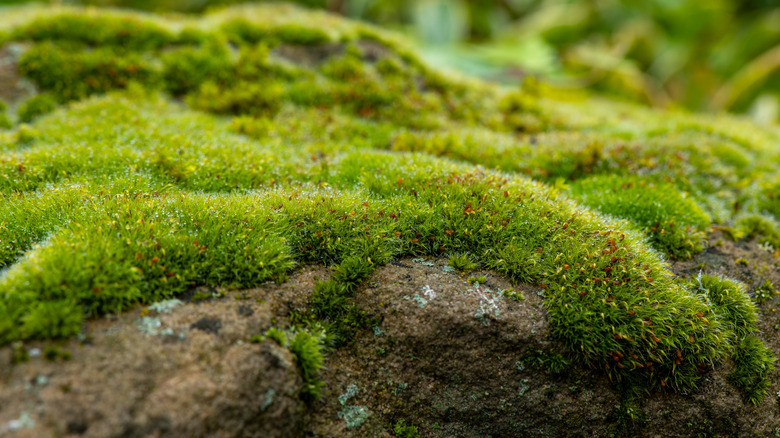
Now that you've determined which moss to grow in your yard, you can help it thrive. While your moss is getting established, you'll need to pay special care, but luckily, once it's thriving it can be relatively low maintenance. The main things to keep in mind for any moss lawn are light and moisture. Shade is moss's best friend. The moss varieties mentioned above can handle about four to six hours of sun per day, but if all they get is filtered sun and deep shade, they will do just fine. This is why moss grows so thickly in the forest.
Think about water, too. Don't let your moss get dried out. Moisture is important for your moss to do well, because without regular watering, it will turn brown and go dormant or die. Once you've planted or transplanted your moss lawn, water it regularly. If the plants are small and young, they will need water more often. Fragments and spores should be misted a couple of times per day to prevent them from drying out. Use filtered or rain water to water and mist your moss rather than tap water. However, while moisture is important, make sure the area you have them in drains well so that the moss isn't in standing water. Otherwise, these plants can drown.
If you are going to have a lot of foot traffic in your moss landscaping areas, know that they will do much better if you have pavers or stepping stones that people can walk on. Repeated wear and tear on your moss, which can leave worn or thin spots.