

Why You Shouldn't Worry If Your Lawn Turns Brown During Midsummer
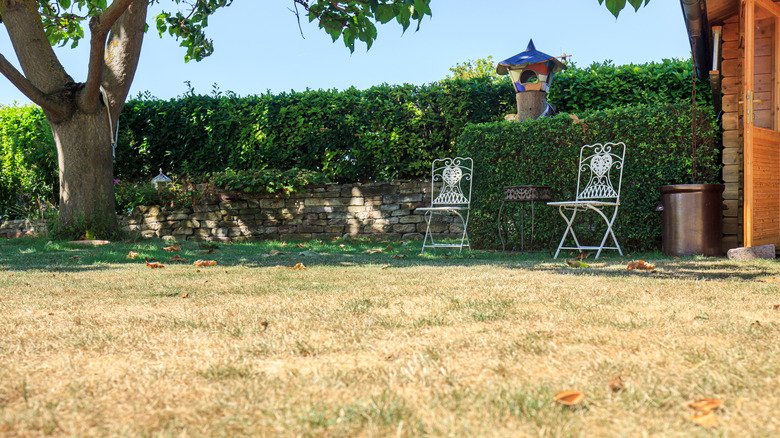
It's hot outside. You know it, the animals seem to know it, and even the lawn knows it. Those dreadfully hot midsummer days slow everything down — even your grass stops growing much. But, on the bright side, you may be thankful that you haven't had to mow in the past couple of weeks. The downside: That lawn grass looks brown — really brown — as if it's completely dried out, or even dead, even though you've taken meticulous care of it since spring. In most cases, there's no cause for concern. Summer heat paired with drought-like conditions causes cool-season lawn grasses to go dormant, and it could happen for weeks at a time.
When a majority of the lawn looks mostly brown and dried out in the middle of summer, that's a sign of dormancy. If you tug on the brown grass and it doesn't come out easily, it's still alive — just dormant. Another clue is to look around the neighborhood. If other lawns and even the grass in local parks look brown, they're all dormant, and so is your lawn. Watering it won't make it any greener during dormancy, and that's completely okay. Once the weather cools for several days and the lawn receives enough moisture, it will green up again. In the meantime, a couple simple practices will help keep your grass healthy and ensure you aren't secretly ruining your lawn.
How to help your dormant lawn in summer
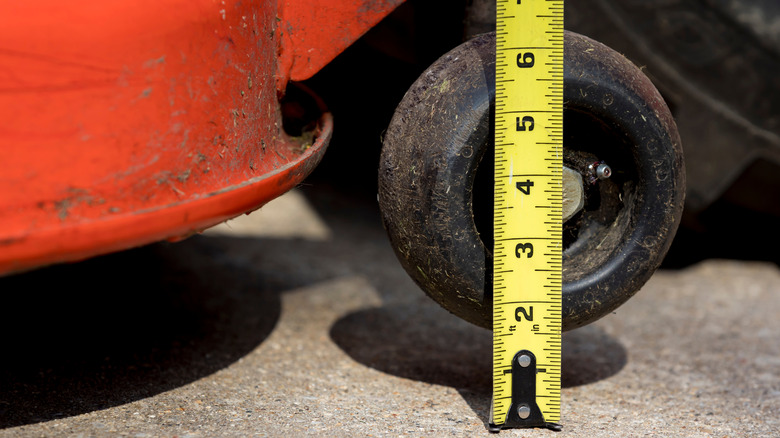
A simple mowing tip that keeps your lawn healthy during summer heat: Raise the mower deck's mowing height. Dormant grass (or even grass just starting to brown) is already stressed by the heat and drought-like conditions. Cutting off too much at a time could stress it even more and lead to issues such as weeds and pests. On the other hand, taller grass shades itself a little, giving the blades some relief from the sun at different times of the day. This also helps shade the soil — and more shade means slower water evaporation. To help reduce stress on your grass, mow about an inch higher than you normally do. Let that grass grow before you mow it again. During the lawn's dormant period and beyond, never mow off more than the top third of the grass blades to keep them healthy.
Watering is also important during lawn dormancy, even if you don't notice much change in the grass color. When and how you water matters. A lawn needs one to two inches of water per week, including rainwater, for optimal health. Infrequent but deep soaks help roots grow strong, whereas frequent, light waterings are not as beneficial. Avoid watering during the heat of a sunny day — much of the water will evaporate quickly. That means it won't soak down to the lawn's roots.