

What To Do After Accidentally Over-Fertilizing Your Lawn
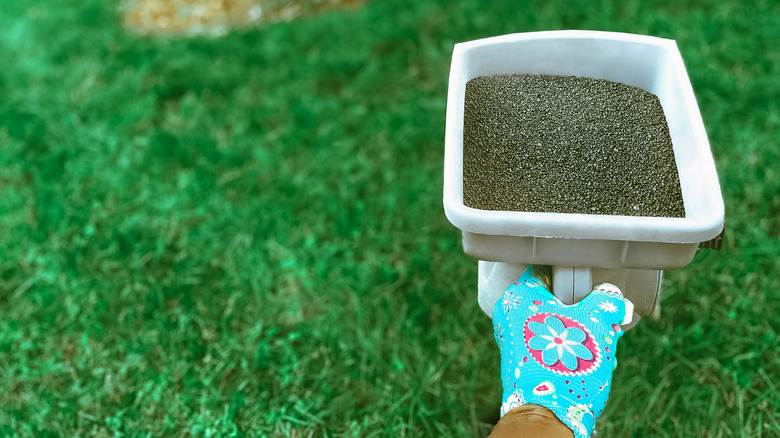
You put a lot of care into your lawn. You mow at the proper height, edge with precision, blow off clippings like a pro, and even have your irrigation dialed in to keep the grass hydrated. You fertilize, too, because you know your grass needs nutrients to stay lush, green, and resilient. After all, a healthy lawn isn't just pretty; it prevents erosion, cools your yard, filters rainwater, and helps produce oxygen. It's a living, breathing foundation of curb appeal. But even with all that effort, there's one common mistake that can actually do more harm than good — overfertilizing.
When it comes to fertilizer, more doesn't mean healthier. In fact, this is one of the lawn care myths you can stop believing, since overdoing it can set your lawn back. Fertilizer is designed to deliver nutrients your soil might lack, especially in residential yards where home construction has stripped away natural layers. But grass can only take in so much at once. Too much fertilizer can become a source of stress, not strength. Moderation, in this case, really is the magic ingredient.
How to spot and fix fertilizer overapplication

Too much of a good thing often leaves a visible mark, especially on your lawn. Overfertilization can lead to streaks, grass growing in patchy patterns, scorched patches, and browning. That burn happens when excess salts from the fertilizer pull water out of the grass blades, causing them to dry out. The three numbers on your fertilizer bag — which represent nitrogen, phosphorus, and potassium — are your guide. Following the label instructions is key to avoiding this kind of damage.
If you've gone a little heavy-handed, don't panic. The best fix is water, and lots of it. Soak the affected areas with 1 inch of water daily for one to two weeks to flush out those excess salts. Then return to your normal watering schedule, since watering your lawn every day isn't a good practice. To help prevent future mishaps, try using a slow-release fertilizer that delivers nutrients over time, reducing the risk of burning. And always measure your lawn, calibrate your spreader, and apply fertilizer thoughtfully. Your lawn will thank you, and you'll have more time on the weekends to enjoy it.