

We Tried A Yolky Tomato Growth Hack, But A Garden Pest Liked It More Than We Did
You'd probably be bluffing if you said you didn't want a super easy hack to grow more tomatoes in your garden. There are so many tips and tricks to growing big, beautiful tomato plants that they seem to all blur together. For example, some folks swear that baking soda is the secret to thriving tomatoes. But this one caught my eye on TikTok: in a video by @libbyzflanagan, she crushes an egg and drops it right into the planting hole beneath the tomato's roots. According to the hype online, this is supposed to help tomato plants grow bigger and stronger.
Although I had read about crushing sterilized eggshells to create a topdressing fertilizer for tomato plants, I had never heard of this hack. Gardeners often say that putting eggshells in the soil will provide the plants the calcium they need to prevent blossom end rot. This problem causes the tips of tomato fruit to wither and rot. Unfortunately, research indicates that this cannot possibly add back enough usable calcium for plants to thrive. Still, I went into the experiment with an open mind, excited to try it out for myself and see the end results of this viral gardening hack.
Gardening using common kitchen ingredients
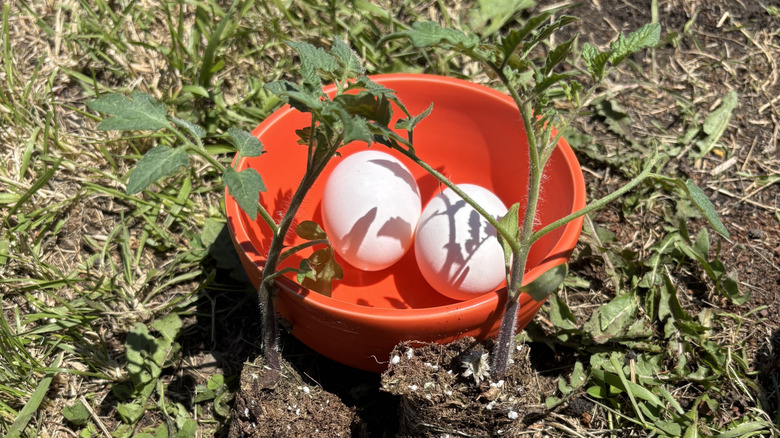
In one video showcasing this hack, TikTok user libbyzflanagan uses one whole, raw chicken egg. Getting the supplies ready to try this out was simple, considering all I needed to do was reach into my refrigerator and grab a carton of eggs. After perusing the Internet, I determined that it doesn't matter what kind of egg you use, as long as it's whole and fresh. I picked out two Roma tomato seedlings, about 6 weeks old, to try this hack with. I buy all of my plants from a local garden center where prices are more reasonable than big box stores. Other items used came from my regular gardening supplies, including garden soil.
To really see how this crushed egg hack works, I decided that I would plant two tomato plants. One plant was placed in an above-ground grow bag and one was put directly into the ground. For both plants I used a rich soil mixture with a lot of organic matter. I tried this hack alongside the other tomatoes I grow in my garden each year, which means I had a few Roma plants to serve as a control group. Further prep involved filling my grow bag and hand-tilling the garden soil.
The pitfalls of putting a crushed egg in your garden
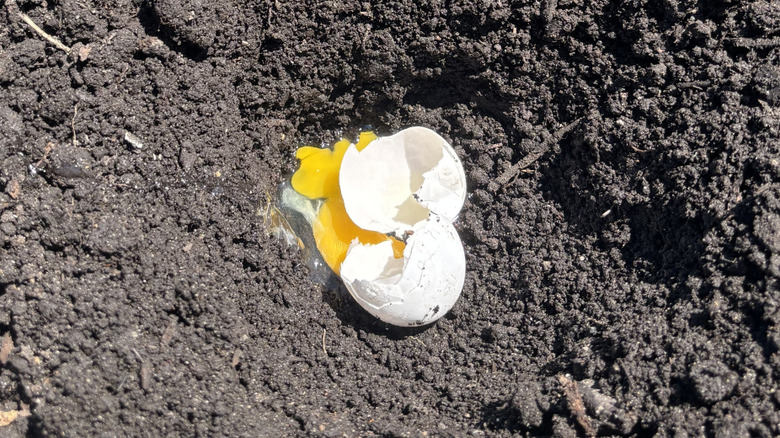
Once I had all my supplies, this hack was super easy to try. I planted my tomatoes as usual with one extra step: cracking an egg into the hole first. I always dig deep holes, enough to ensure my tomato plants develop strong roots. Only after adding the egg and breaking it up with a garden trowel did I put the seedling on top and fill the hole with soil. Everything seemed easy at this point and I was already picturing myself staking up impressive tomato plants in the coming weeks.
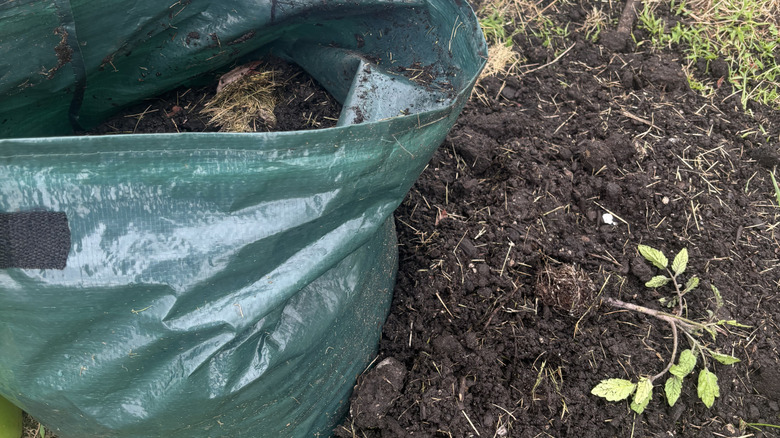
However, one of the biggest problems appeared the very next morning. I found one of my tomato plants yanked straight out of the grow bag. Soil was everywhere, but thankfully the seedling wasn't destroyed and I was able to replant it. The source of the disturbance? Most likely a hungry, opportunistic raccoon with dexterous front paws. Let this be a lesson to gardeners living close to wildlife in rural areas: toss uncooked eggs into your garden at your own risk! Perhaps next time I will try to keep critters out of the yard with vinegar.
Another big challenge was the weather. My area in the Great Lakes region saw abnormally hot and dry conditions this June, and my entire garden struggled. Without reliable rainfall, it was difficult providing enough shade and water, and the calcium from the egg was not enough to keep my tomatoes happy in these extreme temperatures. Despite my best efforts, I am sure that most of my garden experienced some period of water stress this summer.
This viral gardening hack is scrambled, at best
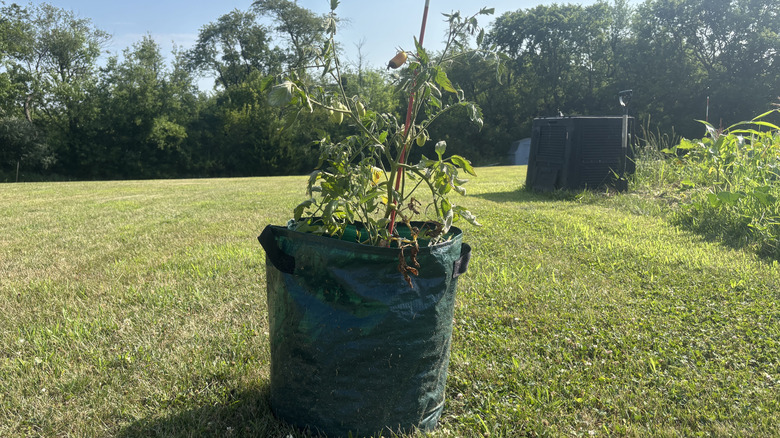
Over a month later, my assessment is that there's no discernible difference between the Roma tomatoes I planted using the hack and the ones that did not get a cracked egg. Even if the weather had been kinder in my neck of the woods, I suspect the results would be the same. I'll also note that one of my tomatoes developed a mild case of blossom end rot. If the calcium from the egg was intended to prevent this issue, it didn't work for me.
Ultimately, I think this hack catches the attention of gardeners because of how easy it seems. I was very excited by the idea of adding nutrients directly to the soil for the roots of the tomato to absorb. However, the raccoons in the woods near my garden also got the memo about the egg. Considering the minimal impact on my tomato plants, this hack is more trouble than it is worth. In the end, all I really did was attract more pests.
Just like certain garden fertilizer can attract squirrels to your yard, this hack should be used with caution. Next time, I would rather invest in more fertilizer to topdress my plants. It's not a hack that will harm your tomatoes (especially if you live in a less rural area), but in my experience, it wasn't worth the waste of an entire egg for lackluster results.