

Clever Methods For Adding Extra Privacy To Your Chain-Link Fence
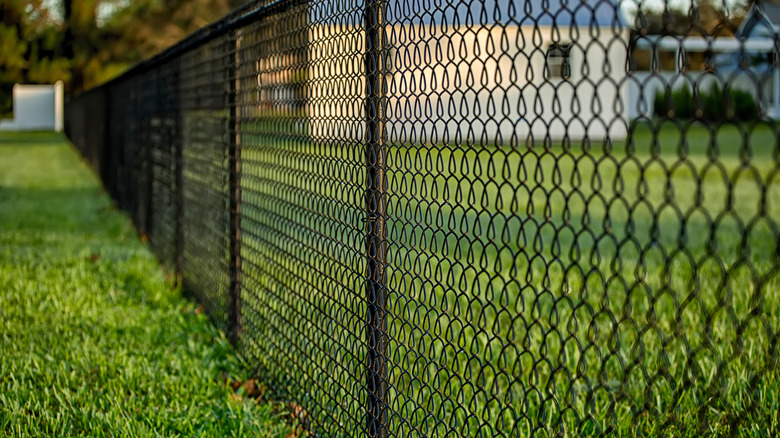
Chain-link fences are among the most common property barriers in the United States, separating lawns from sidewalks, neighboring houses, and just about every baseball diamond from its respective dugout. Millions of feet of this fence type are installed around the world each year, both in commercial and residential settings. In some instances, chain-links are preferable because they create a barrier without obstructing a view, while construction projects and communities often rely on them due to their relatively inexpensive materials and easy set-up. If you're a homeowner, though, you may find that the standard chain-link offers an aesthetic that's too rugged and rough around the edges for your suburban paradise. Swapping the material for a vinyl or wood fence could take time, and run up an exceptionally high labor cost: The typical cost of a wooden privacy fence, for example, can run $2,000 to $7,000. Luckily, there are a handful of easy methods to bring additional privacy and beauty to a chain-link fence. From adding tall plants to creative fabric screens, these options are customizable and relatively inexpensive.
If you're interested in upgrading your fence, we've outlined several of our favorite techniques. These functional designs aren't just good for adding privacy — they can also increase your home's curb appeal, offering a manicured property line that will make your house the talk of the neighborhood. With a bit of research and work, you'll soon have a fence which boasts some added privacy, a bit of aesthetic charm, and maybe even a splash of greenery.
Grow hedges, vines, and grasses, along your chain-link fence

Our first recommendation is to grow hedges, vines, and tall grasses along your fence. This not only serves as a natural aesthetic upgrade, but provides much-needed greenery to contrast the industrial feel of chain-link fencing. Your fence should prop up the plants, which in turn bloom each season, decorating your fence. Greenery also encourages pollinators such as bees and birds to spend time at your house, providing a healthy and thriving ecosystem.
Some of the best hedge plants to develop alongside a chain-link fence include the evergreen American boxwood, which can be trained to different heights and shapes, but grows tall. A more compact option is Japanese holly, which looks like boxwood, but is great for smaller fences (be aware it's considered invasive in some parts of the U.S.).
Against the fence itself, climbing vines work well to create partial or full privacy depending on the plant. Options include hardy kiwi, silver fleece vine, and purple leaved grape. Others, such as climbing hydrangea and honeysuckle provide colorful blooms, but do require more upkeep. Be sure to double-check which plants work best for your region, and reconsider destructive vines such as English ivy, which have recently been outlawed in certain jurisdictions for being too invasive. Likewise, if you opt for bunchgrass, look for species native to your area, as many invasive grasses can quickly grow out of control.
It should be noted that growing bushes along your fence requires additional maintenance. You'll need to trim back branches and leaves as they become unruly, treat plants for pests and fungus, and ensure that vines don't reach a size that could buckle, separate, or otherwise damage your original fence.
Increase the shade with a fabric fence screen

If the idea of maintaining hedges is just too exhausting to consider, you can always invest in fabric fence screens. These thin screens — which range from translucent to semi-opaque and opaque — offer a veneer of privacy, along with protection from wind, dust, and other debris. Fence screens can be purchased by the foot at most major hardware stores, and offer a simple and elegant installation process. Unlike hedges, there is effectively no routine maintenance involved once they're zip-tied onto the chain-link fence, save for the occasional cleaning and replacement when you find a tear. These screens are also highly customizable, leaving you with plenty of opportunities to adjust the color, design, and placement to your liking. You can find fence screens featuring prints of boxwood hedge leaves, for a decorative nod to the more labor-intensive privacy option.
You've probably seen these screens during your travels, as they are a common application to chain-link fences surrounding construction sites, baseball diamonds, and more. While they may draw fewer eyes than a wall of vines and flowers, fence screens make for an ideal low-cost solution to your chain-link privacy problem, while bathing portions of your lawn with some much-appreciated shade. If you live in an extremely windy climate, you may find that the corners tear and rip with time, though the fibrous tarp-like construction of the fabric often holds up well against standard wind and rain storms. This means you'll likely get a handful of years out of each roll at the very least, especially if you winterize your fence with the changing seasons. All-in, a fabric fence screen is one of the best simple tricks to add privacy to your backyard.