

What To Consider Before Installing A Fence Around Your Garden
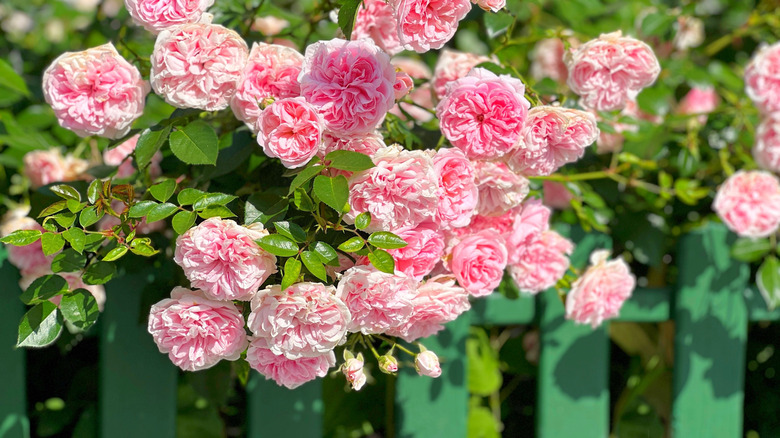
For most homeowners, a fence is a great outdoor update to add some serious value to your home, provide a bit of privacy, and protect your plants from deer and other pests. While it may seem like a no-brainer to box your garden in with a bit of quality lumber, there are actually a handful of significant downsides to fencing in your garden. Fences can block sunlight from reaching your plants during certain hours of the day, interfere with your garden's natural ecosystem, and even introduce harmful components to the situation, such as mold and blight. Before you take the leap and invest any of your time and money into this big project, it's worth examining a few key details to determine if a garden fence is right for you.
To begin, you'll want to double check the area surrounding your garden. For plants that require significant sunlight, including caladium, hibiscus or sunflowers, maintaining their east-west orientation is recommended. You can still put up a wall or fence along the north or south portion of your plants, as long as it doesn't tower too high. Beyond that, you should be mindful of how wet your soil tends to be, as excess moisture can cause any wooden fencing to rot and decay. Finally, you'll want to be absolutely sure that there are no HOA rules or zoning restrictions preventing you from building a fence. It may sound like an overabundance of caution, but many homeowners have been hit with serious headaches and even fines over improper construction zoning.
The ecological impact of a fence

While fencing can shield your plants from pests and other irritants, it can also harm your garden in unexpected ways. Beyond the obvious blocking of sunlight, fencing can also cool down your garden so much that it retains excess moisture. Most wooden fences are not treated to resist standing water, which can lead to mold, rot and even blight from increased humidity. Furthermore, weeds are likely to latch onto portions of the fence from underground, creating an unstable foundation that compromises your hard work. Some of these issues can be solved by providing a gap between the fence and the garden or utilizing a lattice structure to allow more sunlight in, though there is no perfect catch-all solution.
Fencing can also keep beneficial wildlife out of your garden, such as frogs and pollinators. Without these natural predators, which feast on harmful insects, your plants could become overrun with mites and other tiny pests. At the end of the day, you may even find that your hard work has invited more pest activity than it negates. The best ways to avoid this problem include cutting gaps in the lower portion of your wooden fence or opting out of a fence entirely in favor of some natural shrubbery. Hedges will provide a similar wall of shade and privacy, while still allowing birds, bees, and frogs to travel through to the other side with relative ease. This means that a low maintenance bush might be the perfect addition to your garden perimeter.
Balancing budget and maintenance
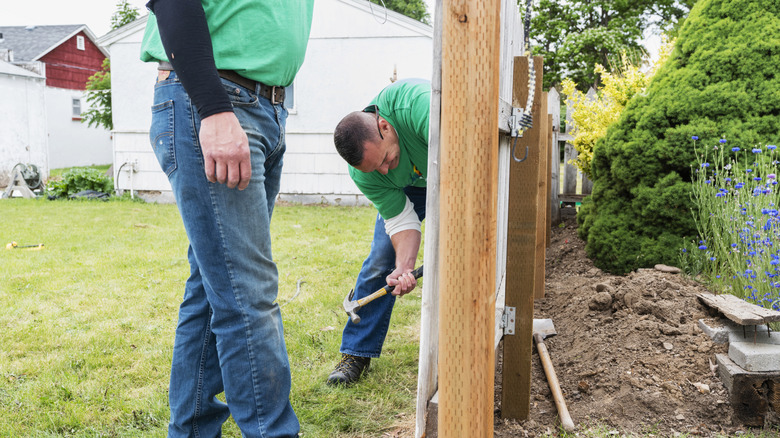
Another factor to consider before building a fence is the actual cost of materials. Lumber prices have skyrocketed in the years since the pandemic, making the typical cost of a wooden privacy fence effectively untenable for the average homeowner. While materials such as metal, vinyl, and brick can serve as possible alternatives, these building supplies each come with their own caveats and drawbacks. Once your fence or garden wall is constructed, it also carries the burden of regular maintenance, which takes away from the valuable free time you could be using to tend to your plants. The personal tax that a man-made structure levies against your gardening time may negate the very purpose of building one in the first place.
Once again, this could potentially be solved by opting for a natural wall of greenery, which requires little maintenance beyond some simple pruning and hedge trimming. While there are certainly specific kinds of gardens that could benefit from a wooden fence, you should be mindful to weigh out all of your options before pulling the trigger on one. Many of the aforementioned downsides of fencing are considered afterthoughts by homeowners, though being mindful of your approach before breaking ground is always a good way to avoid unnecessary problems.