

Go Longer Between Vinyl Fence Cleaning Sessions By Choosing These Colors
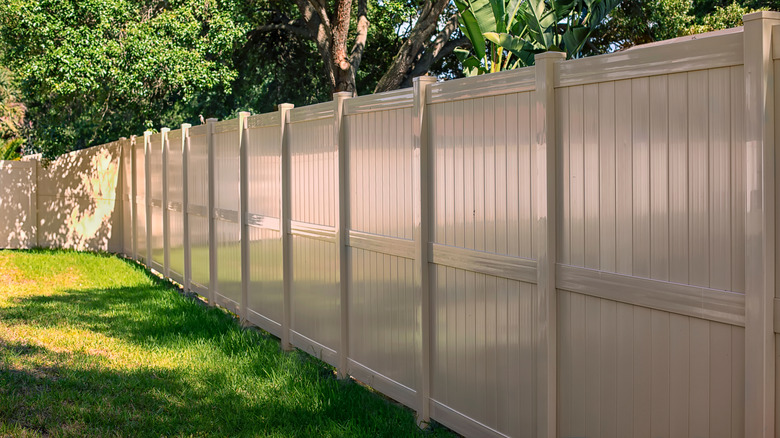
Constructing a fence is one simple trick for adding more privacy to a backyard, but it can be an expensive project. The cost of building a wooden privacy fence is often thousands of dollars, even if you're just buying the materials and doing the labor yourself. This is why many homeowners opt for vinyl fences. Though vinyl fences typically cost a bit more to install, they're much cheaper and easier to maintain. You don't have to paint or stain them, they aren't prone to pest problems, and they're unlikely to warp or rot, unlike their wooden counterparts. Plus, they can last decades if you take good care of them. In general, your primary maintenance task for a vinyl fence is keeping it clean. Hosing it down helps, but choosing an earth-toned color that naturally conceals dirt and stains can help you go longer between cleaning sessions, saving both time and money.
When shopping for a vinyl fence, think about how different colors interact with each other. The hues most likely to sully your fence are muddy browns and grays, as well as greens from moss or the chlorophyll of nearby plants. Selecting a fence color that downplays these browns, grays, and greens is a smart move. White and black generally do the opposite by highlighting dirt and stains, as do bright shades of yellow and blue, so they're best avoided if obscuring dirt to increase time between cleaning is your goal. Instead, consider earth tones known for their camouflaging ability.
Using camouflage colors to conceal fence grime
The art of camouflage can help you choose a dirt-disguising color for your vinyl fence. Camo print clothing provides a few clues about which colors to consider. Olive green, a common camo print component, is one excellent choice for fences in areas with lots of moisture or grass and other plants. In spots like these, the mud that splatters your fence is also likely to result in an earthy brownish green tint. Olive green can also hide the grass stains that plague the base of some vinyl fences.
Many shades of brown, another garden-variety camo print color, can mute dirt rather than spotlight it. Browns that aren't especially light or dark are best since they conceal the widest range of dirt colors. Super-deep brows may make light-colored sand and dust more apparent, while tannish ones put darker stains on display. Instead, go for chocolate-inspired hues or taupes with a hint of gray. Speaking of gray, this color is also adept at hiding fence dirt. As with brown, avoid going too light or dark. Look for a shade with green or brown undertones, which can help blend stains into the background, for a time at least.
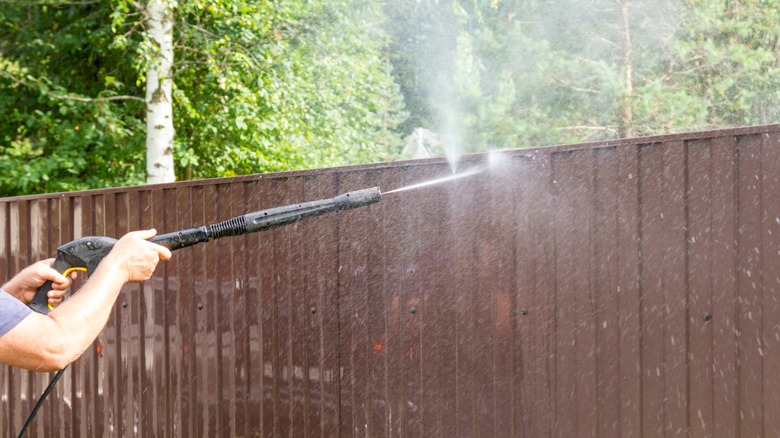
Even if you don't have time to scrub your vinyl fence with soap and water or a vinegar solution (great for cleaning tougher stains), try to spray away dirt and grime when you see it. The longer they sit on the fence, the more likely they are to stain, perhaps even permanently. Whether you're a beginning gardener in need of must-have tools or a seasoned caretaker of yards, investing in a quality extendable hose and a good spray nozzle will make this task easier.