

The Must-Know Tips For Camping Responsibly And More Sustainably
We may receive a commission on purchases made from links.
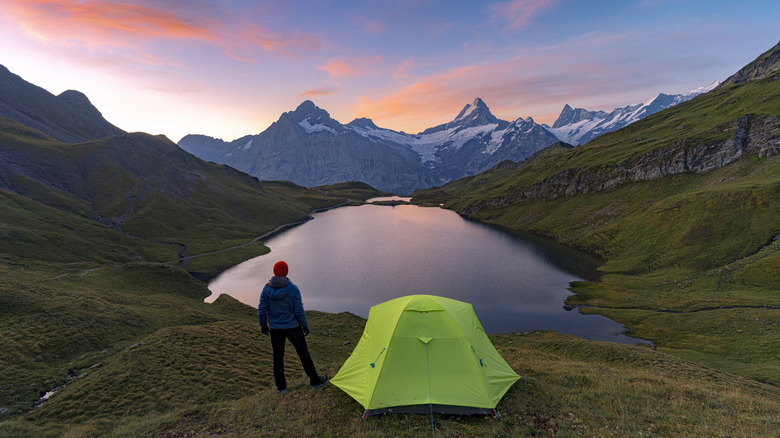
Camping continues to increase in popularity across the United States. While there are many benefits to more people spending time outdoors, the uptick in campers can put additional strains on the environment. Although many feel that the impact must be most significant within van, RV, and car camping, or with elongated stays, even short snapcamping trips and safe solo tent camping excursions can have a negative impact if not done properly. It is more important now than ever to utilize responsible, sustainable practices when overnighting outdoors. At the center of that effort is the need to understand and follow the principles of Leave No Trace.
One of the biggest tenets of Leave No Trace relates to minimizing the impacts of campfires. While campfires are a traditional part of the camping experience, they can negatively affect the environment in multiple ways. Additionally, in this modern-era, there are workarounds that serve the purposes for which campfires were originally needed. For example, instead of starting a campfire to heat or cook a camp meal, use a cookstove or a portable fuel source. If doing so, however, consider an enviromentally-sensitive version, such as the Sterno Green biodegradable canned heat. Additionally, battery or solar powered lanterns can provide light.
If you do choose to build a fire, keep it small, using only locally harvested dead wood. Although it may be convenient, you shouldn't bring firewood to your campsite from home or elsewhere, as you could unknowingly introduce invasive pests and diseases. In fact, in many areas this practice is prohibited. Use or make a fire ring and be sure to completely extinguish any campfire to prevent igniting a wildfire on your next outdoor adventure, which can devastate vast amounts of natural habitat.
Be mindful of water and waste
One of the most obvious and disheartening signs of environmental impact by campers and others in the outdoors is the presence of trash. The only way to prevent this is if everyone packs out everything they pack in. Unfortunately, this doesn't always happen. A better rule of thumb is to not only pack out all of your waste and trash, but also any litter you come across. Bring a trash bag of some sort with you whenever you go hiking or camping. Make the task of packing out your own trash much simpler by preemptively shedding any excessive product packaging at home.
While most campers understand paper and plastic can't be left behind without impacting the environment, many don't realize food scraps can also have a negative impact and should be packed out as well. Tossing food scraps into the brush or woods attracts animals, which may become aggressive or get sick from eating the scraps. Additionally, these food items typically take a long period to decompose and in the case of fruits and vegetables, you may be introducing invasive species.
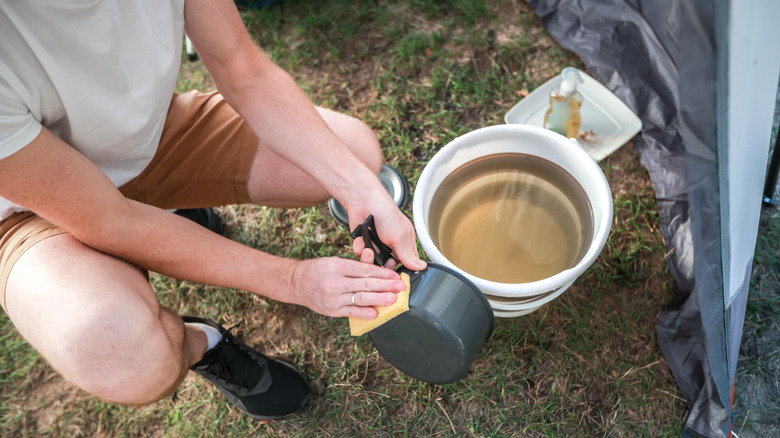
Water is another issue to address when practicing sustainable camping. Not only is water often in short supply in many areas of the country, it — along with the various life forms it supports — is sensitive to pollutants. When taking care of campsite tasks like washing dishes, do so well away from the water source, using as little water as possible. Choose an environmentally safe, biodegradable soap and discard used water far from any water source. You should also take measures to ensure no human waste enters waters such as lake, rivers, and creeks.
Treat wildlife and their habitat with respect
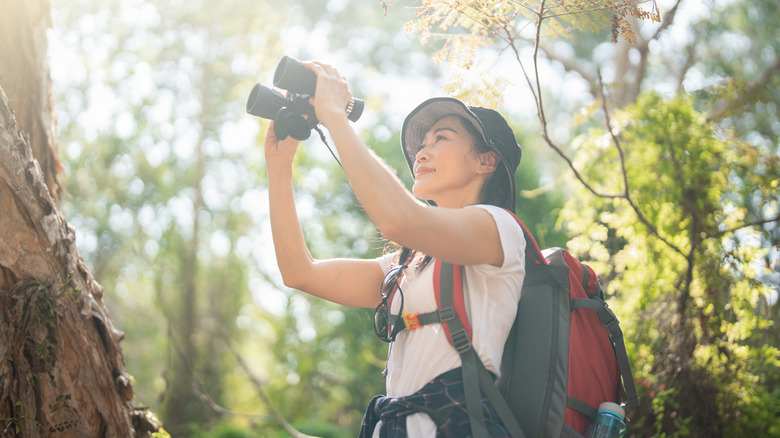
Another aspect of sustainable camping is how you interact with the natural world. Wildlife watching is on the rise and one of the main reasons many people choose to go camping. However, it is important to respect the animals you encounter to avoid altering their habits and to keep yourself safe during your wildlife watching adventure. The best practice is always to watch wildlife from a distance, using binoculars if necessary to get a better look. This allows you to witness them acting naturally and protects both you and the animal.
Under no circumstances should you ever approach or attempt to handle or touch wild animals. Nor should you try feeding them. Not only can these actions directly harm the animals, it can expose them to potential predators, and, in some instances, lead to increased aggression. Furthermore, it is important to exercise even greater caution when animals are in mating or hibernating seasons, nesting, or raising young ones.
Animals aren't the only parts of the ecosystem susceptible to harm from human activity. Plants, which provide a variety of benefits including being a food source for various creatures and helping prevent erosion, are easily damaged from trampling. So, it is important to remain on established trails as much as possible and choose campsites wisely. Use existing campsites whenever possible and pick areas with little or no plant life to pitch tents when campsites aren't available. Additionally, do not remove plants, rocks, or objects as keepsakes. Instead, take photos of any interesting or unique items you come across as a memento.