

Think Twice Before Adventuring In These Snake-Filled Lakes And Rivers In Nebraska
We may receive a commission on purchases made from links.
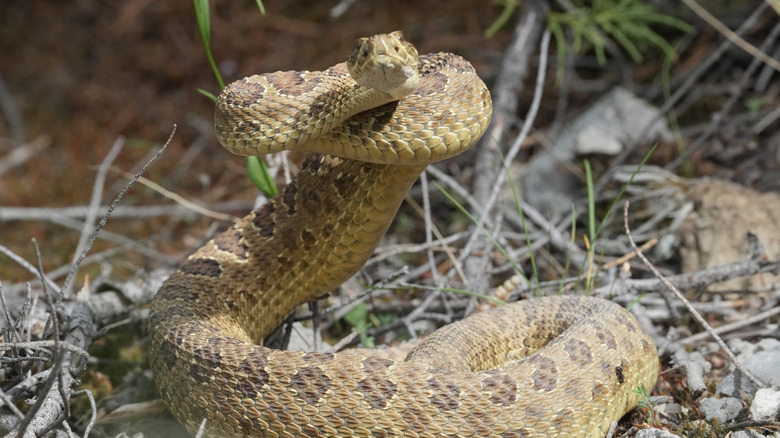
There are a total of 29 species of snakes slithering across Nebraska. Luckily, only a handful of those are venomous. Copperheads and 3 varieties of rattlesnakes — massasauga, prairie, and timber — are the only dangerous types of snakes living in the Cornhusker State. Nebraska is also home to over 80,000 miles of river and numerous lakes that are popular outdoor recreation areas. During the warm weather months, there is ample reason to exercise caution when adventuring in some of these lakes and rivers, which have a resident population of both venomous and non-venomous serpents.
Those who do head to the water in Nebraska will find there is somewhat of a corridor in the northeast and east-central portion of the state which is relatively snake-free, at least in regards to venomous species. However, the entire western half of the state is home to prairie rattlers, which is by far the most common venomous snake in Nebraska. The southeast corner of the state, on the other hand, has no prairie rattlers, but does have a population of copperheads, as well as timber and massasauga rattlesnakes.
What is notably absent from Nebraska waters are water moccasins. Although there are some non-venomous water snakes and rattlesnakes are capable of swimming, the biggest threat of encountering a venomous snake in Nebraska is on the land adjacent to these water bodies. However, most often it is human behaviors that incite snake bites, such as not being aware of your surroundings or attempting to handle snakes. Never attempt to approach or handle a snake should you encounter one, even if you believe it to be non-venomous. If overnighting, you should also take steps to keep your campsite snake-free with easy tips, such as choosing the proper campsite, making noise, and using repellents.
Niobrara National Scenic River
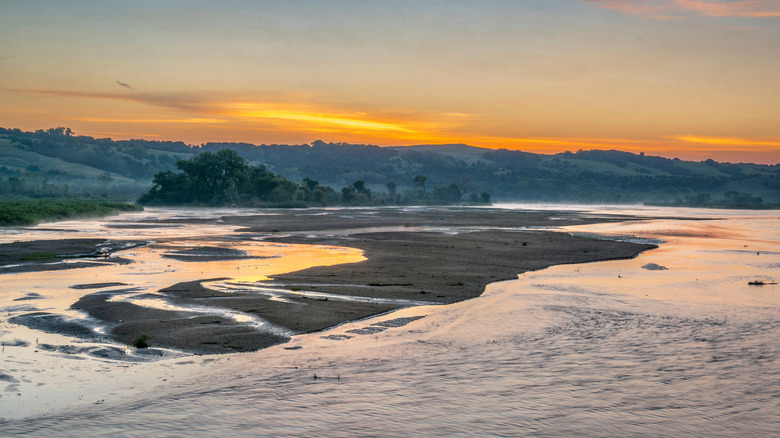
Located near the Nebraska-South Dakota border, the Niobrara River is near the northeastern extent of the prairie rattler range in Nebraska. Nonetheless, these venomous vipers are present in land surrounding this 76-mile stretch of water which empties into the Missouri River. This unique waterway is actually a national park, having been designated as a national scenic river. Not only is the actual river a national park, but much of the land adjacent to the river has public access via Fort Niobrara National Wildlife Refuge and Smith Falls State Park.
For outdoor adventurers who make their way to the Niobrara National Scenic River, floating or paddling the river is on the top of the list of things to do. On the land beside the river, visitors enjoy hiking, camping, and nature watching. Given that venomous prairie rattlesnakes are among the dozen or so snake species found here (largely found in cliffs along the river and rock outcrops among the grassy surroundings), wearing protective garments such as ForEverlast Snake Guard Leggings can offer some piece of mind.
Lake McConaughy State Recreation Area
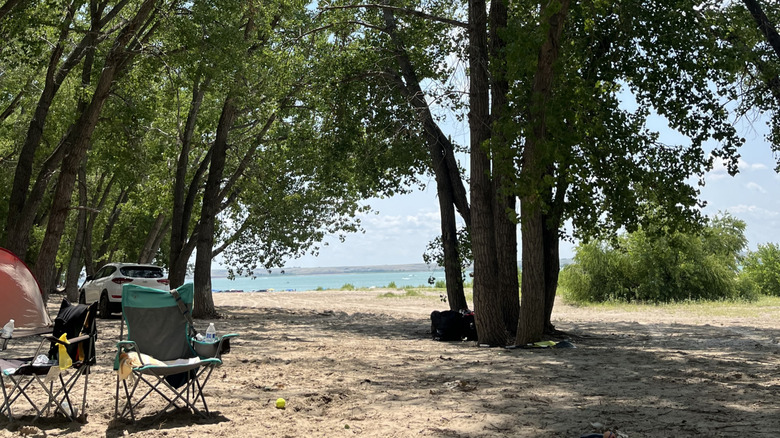
Lake McConaughy, along with the adjacent state recreational area, is located in the western portion of Nebraska, which is right in the middle of the prairie rattlesnake range within the state. Given that it is the largest reservoir lake in the state, it is little wonder it also ranks among the most popular for a wide variety of outdoor activities, including swimming, boating, fishing, camping, archery, and more.
Since the prime time for most of those activities — spring and summer — overlaps with when rattlesnakes are most active, those spending time in Lake McConaughy State Recreation Area should take precautions when visiting. Primarily, it is important to be aware of your surroundings and watch where you step. If you happen across a rattlesnake, do not approach, try to handle, throw things at, or attempt to move it. Should you be camping or hiking with your dog, it is also important to keep pets leashed so they don't wind up being bitten.
Harlan County Lake Recreation Area
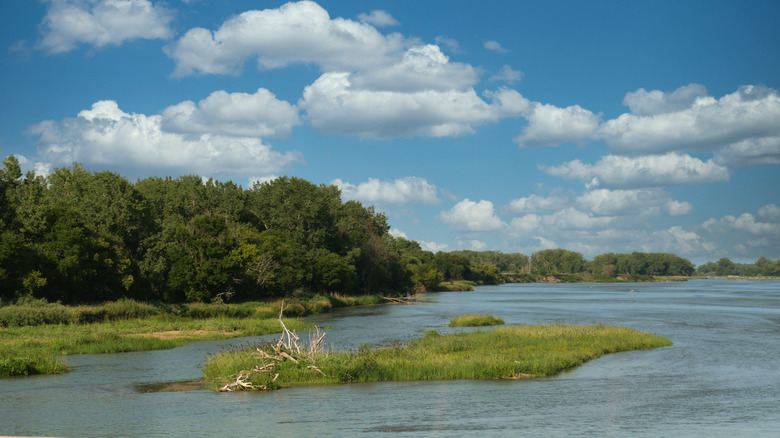
The second largest lake in Nebraska, Harlan County Lake, is situated in the south-central portion of the state. Surrounded by Harlan County Lake Recreation Area, it is a very popular spot for fishing, camping, hiking, and nature watching. Although there are several species of snakes here, including the harmless northern water snake, which will sometimes be encountered in the water, the only venomous species visitors have to be aware of is the prairie rattlesnake.
As is the case when exploring anywhere in the western half of Nebraska, it is important to know what to do if you run into a rattlesnake while adventuring in or near Harlan County Lake. Although such encounters are relatively rare, prairie rattlers are around. So, especially during warm weather months, it is important to watch where you step when walking around the lake, keep tent flaps zipped, and exercise caution when picking up firewood or equipment off the ground. And while scorpion sightings are rare in southern Nebraska, striped bark scorpions are around, so it's worth carrying a must-have tool for spotting scorpions at night, since they glow under UV light.
Merritt Reservoir and the Snake River
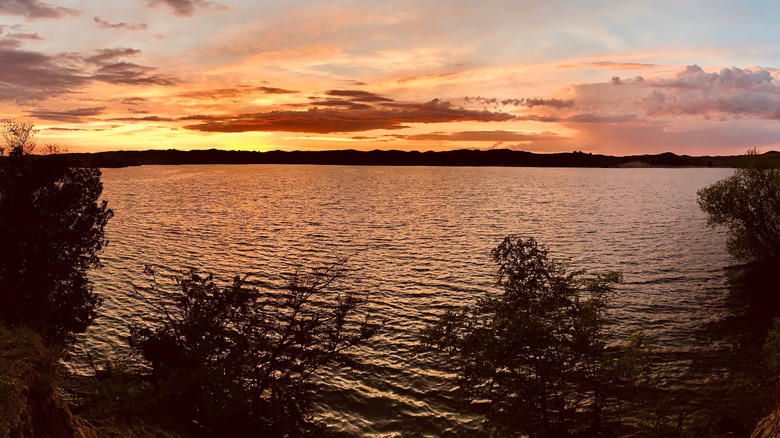
Merritt Reservoir, an impoundment on the Snake River, is located within the famed Sandhills in the northern portion of Nebraska. This popular reservoir and accompanying state recreation area, along with the adjacent Samuel R. McKelvie National Forest, are surrounded by prairie rattlesnake territory, prompting visitors to keep a wary eye out for these venomous pit vipers.
As is the case with other popular water bodies in Nebraska, fishing and boating are among the top outdoor pursuits that draw visitors to Merritt Reservoir. On land, camping and nature watching are both big draws. Additionally, Merritt State Recreation Area became a DarkSky International certified site in 2022. So, not surprisingly, stargazing is also popular among visitors. However, sky watchers aren't the ones active at night around Merritt Reservoir. Rattlesnakes are well-known for their nocturnal habits, especially during the warmer weather months. So, if you plan to spend time staring at the stars, be sure you utilize your flashlight while making your way along the trail.