

How To Choose Between Dry And Hydro Seed For Your Lawn
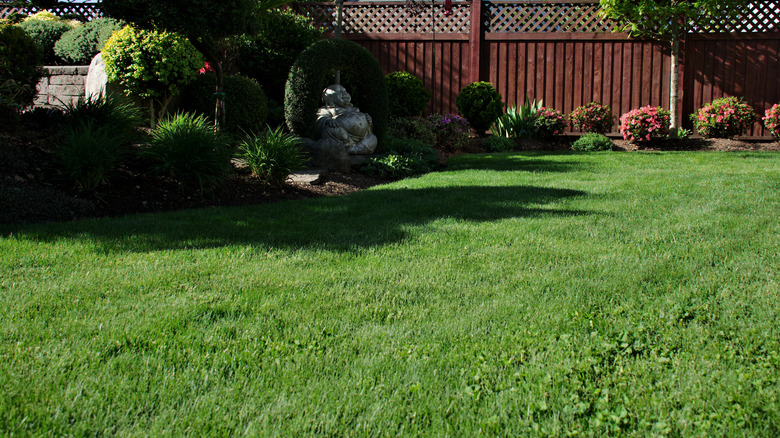
A lot of work goes into having a beautiful, green lawn. Whether you are sorting through lawncare myths you can stop believing or deciding on the best time of day to water your lawn, there are many things you can do to get that picture-perfect yard of your dreams. One important decision that homeowners make regarding their yards is which type of grass seed is right for the lawn and what type of seeding method to use. There are two main seeding methods used for lawns: Dry seeding and hydro seeding. The two methods are very different, and both have their pros and cons.
Dry seeding is the traditional method of seeding a lawn that involves spreading seeds over soil that has been prepared beforehand. The seeds are spread by hand or with a push spreader. After seeding, the seeds are covered with a very thin layer of soil or mulch to improve seed germination and to protect the seeds from birds and other animals that are interested in eating them. Hydro seeding involves the technique of mixing water, mulch, grass seed, and fertilizer, then spraying it onto prepared soil using a special hydroseeding machine. After spraying it on the soil, the mix sticks to the ground and provides the perfect conditions for fast seed germination and growth. How do you decide which method is best for your yard? Consider your budget, the size of the space you are seeding, how fast you want results, and whether you want to DIY it or would rather hire someone. Read the pros and cons of each method below to see which one works the best for your needs.
Pros and cons of the dry seeding method

Dry seeding costs less than other forms of seeding and is good for smaller areas. It doesn't require any special equipment, although using a push spreader will provide more even coverage than spreading it by hand. Dry seeding is very easy for DIYers who like to do their own yard work and can even be done by first-time DIYers. Another benefit to dry seeding is that there is a lot of flexibility in seed selection, so you can choose the best seeds for your climate and your lawn's requirements
There are some drawbacks to the dry seeding method that you should take into consideration when making your decision. One of the drawbacks that can cause some frustration among homeowners is the slow germination of traditional grass seed. It can take 21 days or longer to see growth, and having an established yard takes longer than that. How long it takes will depend on the type of grass seed as well with Kentucky bluegrass taking 30 days or more, and fescue possibly sprouting in a week or two. Other drawbacks include uneven coverage, which can happen with hand seeding and even push seeders. Finally, dry grass seed involves more maintenance, including protecting the seeds from birds and watering appropriately so the soil stays moist.
Pros and cons of the hydro seeding method

Hydroseeding results in a more even coverage of grass, especially for larger areas. One of the most popular advantages of using this method is the fast germination time. You will definitely have an established yard that you can walk on within about 3 to 5 weeks when using hydroseeding. Another benefit is erosion control, especially on hills or slopes that are prone to it. The mulch that is in the slurry helps to stabilize the soil, which prevents runoff and erosion.
As great as hydroseeding sounds, there are some disadvantages to this method as well. The one that stands out the most is the cost. Hydroseeding is more expensive upfront due to needing professional application or, at the very least, professional equipment if you want to give it a go yourself. There are DIY hydroseeding kits where you can build your own spraying machine, but you could end up with uneven coverage or inadequate slurry mixture if you are not sure what to do. Experienced DIYers may enjoy the challenge, though. Another drawback can be the water requirements of hydro-seeded lawns. In the first few weeks after application, the yard will need regular watering, which can result in higher water costs.