

The Popular California National Park That's Considered One Of The Most Dangerous Camping Spots
We may receive a commission on purchases made from links.
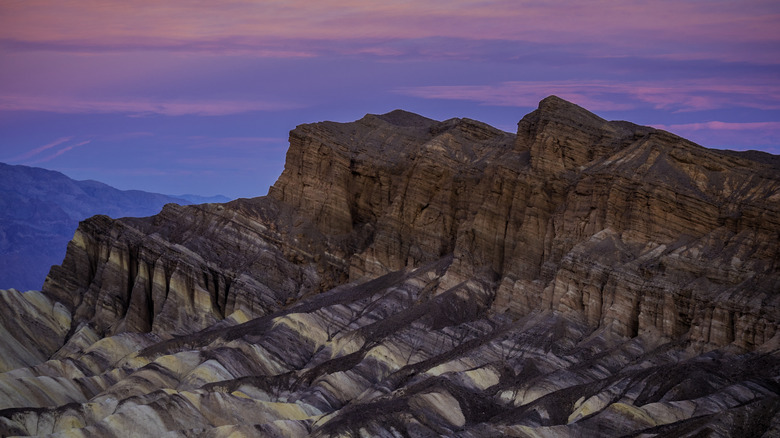
References to Southern California tend to evoke images of the Pacific Ocean, surfers, beaches, and cool breezes coming off the water. That would be on the state's coast, on the west side. The eastern side of the state offers a stark contrast. Perhaps no spot typifies this better than Death Valley National Park, which straddles the southeastern California and southwestern Nevada. Situated in the Mojave Desert, a combination of remote location, rugged terrain, perilous roads, venomous creatures, menacing mammals, and extreme climate make the aptly named Death Valley National Park one of the most dangerous camping spots in the United States.
Visitors to Death Valley can expect to be greeted by a menagerie of animals big and small. While some of these are harmless, there are plenty of creatures to beware of when adventuring in Death Valley National Park. Rattlesnakes are the iconic symbols of danger in the desert, and there are two different species of them living in the park. Additionally, scorpions, dangerous types of spiders, and potentially aggressive mammals such as mountain lions can cause concern for campers.
However, while these potentially menacing creatures can pose a threat to campers, it's the weather that truly turns this destination into such a dangerous spot to camp in. Death Valley lays claim to being the hottest national park in the United States. In fact, it is the hottest place on Earth. It is not uncommon for temperatures during the summer to top out at 120 degrees or higher. Getting less than a couple inches of rain each year, Death Valley is also the driest spot on the North American continent. Oddly enough, given those two potentially deadly factors, flash flooding can also pose a grave risk to campers in Death Valley National Park.
Precautions to take when camping in Death Valley National Park
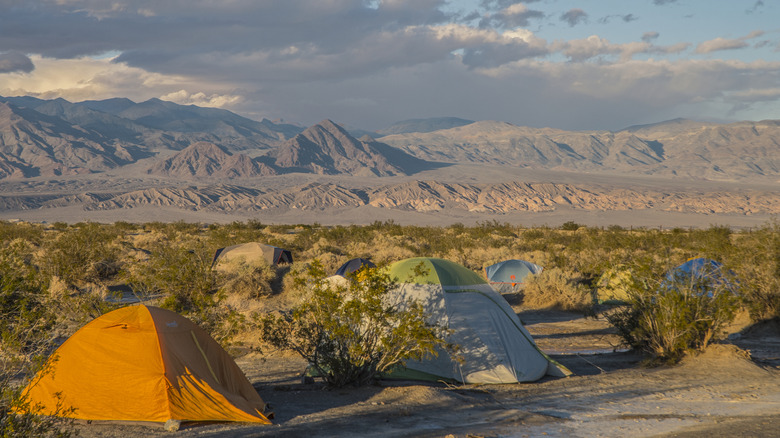
While all the risk factors might make camping in Death Valley seem like a perilous proposition, it can actually be a safe and incredibly unique experience if you take the proper precautions. For starters, consider the remoteness of the location, which can cause issues both getting to and adventuring in the park. Cell service is almost non-existent, and navigational units in vehicles are horribly inaccurate in the park. So, make sure your vehicle is equipped with a roadside emergency kit and carry an old-school road map with you. Also, bring an orienting compass and satellite communicator like the Garmin inReach Mini 2 on your trip. The roads are narrow and dangerous, and vehicle rollovers are the number one cause of death in this park, so drive carefully and don't speed.
Being prepared for the extreme environmental conditions is another absolute must when camping in Death Valley. Dehydration is a real threat throughout the year, but especially during the summer months. You should always carry a kit with essentials in case of an emergency and have plenty of water — at least a gallon per person per day. Visitors can access water at three locations within the park — Furnace Creek, Stovepipe Wells, and Panamint Springs. It's also important to be aware of the signs of heat exhaustion and heat stroke.
Note that the higher elevation areas are substantially cooler during the summer months than the depths of the canyons. Avoiding the canyons will also help you avert another potential weather-related danger — flash flooding. Although it's relatively rare in Death Valley, when it does rain, dangerous flash flooding is a real possibility. Check the forecast for both heat and rain conditions before and during your trip.