

How To Save Money On Your Next Outdoor Adventure
We may receive a commission on purchases made from links.
Everyone who enjoys spending time outdoors lives for their next adventure. Unfortunately, sometimes that trek is put on a back burner for financial reasons, but it doesn't need happen. There are plenty of ways to have big adventures on a limited budget, and there are even advantages. Mainly, if each adventure costs you less, you can afford to experience more of them. The key is knowing how to limit the spending without limiting the fun or excitement of your expedition. Whether you are having a staycation or traveling hundreds or thousands of miles from home, there are ways to save money on your next outdoor adventure. These strategies range from when you go to where you stay, from how you get there and where you buy your gear.
While some places and activities are naturally less expensive than others, there are plenty of ways to trim your outdoor adventure budget no matter what you want to do or where you want to go. However, it does require a little foresight, planning, and diligence. Additionally, while looking for outdoor adventures on a budget may sound as if it would apply only to families or college students, anyone can get in on the cost cutting, including singles, couples, and groups. It may also surprise those looking to save money when exploring the outdoors to discover the amount of free or low-cost options that are actually out there.
Look for low-cost activities
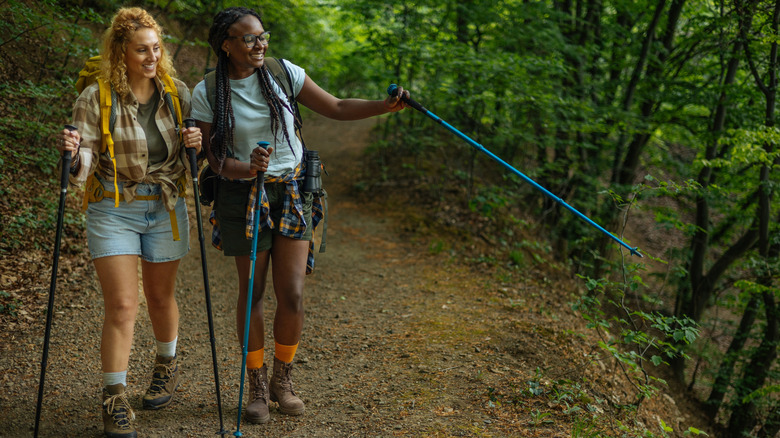
Regardless of whether you are traveling abroad or looking for close-to-home options, some activities, like downhill skiing, simply cost more than others. Activities such as hiking, birding, nature watching, swimming, and fishing all have a relatively low cost of entry in that they require little to no equipment to start. Furthermore, once you have that equipment, you simply need to find access. Many areas offer free hiking, walking, jogging trails, birding areas, and access to ponds, lakes, or rivers.
Taking advantage of opportunities in state and national parks, particularly on free visitation days, is another inexpensive way to gain access for these activities. For instance, if bird watching is your thing, check to see if any of the best national parks for birding are in the area you are looking to visit. If so, you will likely find plenty of opportunities for the relatively low entry fee that the national parks charge. Many of these activities can also be combined. For example, birding, nature watching, and fishing all can be added activities while hiking or vise-versa. Additionally, many national parks offer activities you may not know about, often at little or no added cost. Look for guided ranger tours, classes, and volunteer opportunities either online or posted at visitor centers.
Another inexpensive outdoor activity that has become increasingly popular in recent years is geocaching, which is essentially a worldwide treasure hunt. Those interested in this activity often find opportunities at local parks, as well as state and national parks. You should always check ahead not only for geocaching opportunities, but also any regulations or restrictions these parks may have in place.
Plan well in advance and consider off-season times

Another great way to shave costs from your outdoor adventures is to plan far in advance and consider alternative or off-season times. By starting your planning well in advance, you have a longer window of opportunity to look for discounts and deals being offered. Additionally, you can often get discounts for booking early. These early bird specials are often available on accommodations and travel, such as airfare and rental cars. You may even find early bird rates on activities.
Bargain hunting in advance isn't the only way that time can lead to savings when planning for the outdoors: Traveling during the off-season is generally quite a bit less costly in terms of entry fees, camp sites, and other expenses. As an added bonus, you usually don't have to contend with the crowds you find during peak season. Reduced off-season rates can often be found on airfare and accommodations as well as tours, sights, and activities (though some may not be operating in the off-season).
Bear in mind that while summer is often thought of as peak season for everything outdoors, it's not. Depending on the area and activity, peak season can vary tremendously. It's also important to note that traveling opposite of peak season for some destinations and pursuits can be pointless, as you won't get to experience the outdoor adventure you had in mind. If you are looking for a seasonally dependent excursion (say, rafting or snowshoeing), consider going during the middle of the week or on the fringe periods of that primary season.
Look for free passes
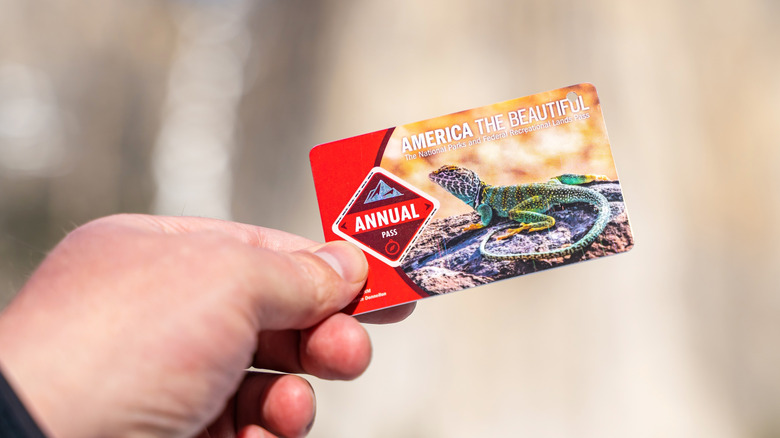
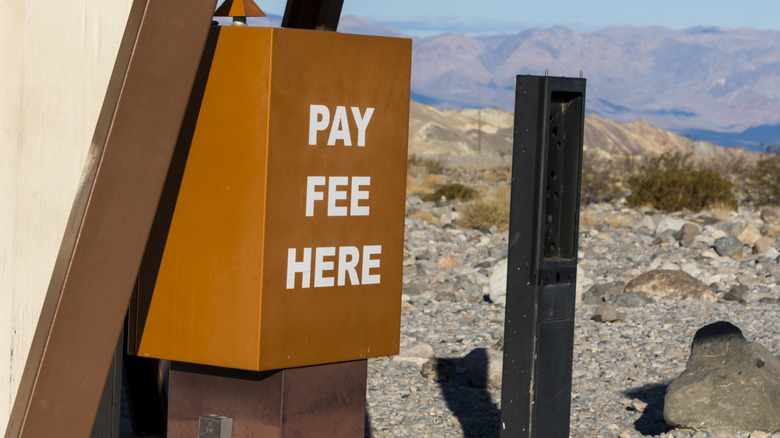
Whether visiting a local, state, or national park, there is often a fee required to gain entry. However, almost all of these public parks, as well as some private ones, offer discounted or free passes at different times of year. There are numerous ways to get free passes to national parks, for instance, including doing volunteer work at the park, which allows you to spend even more time outdoors. There are also a handful of days each year when the national parks are free to everyone. And there are even a great many national parks and public lands managed by the National Park Service that never charge an entry fee.
Beyond finding opportunities for free entry to parks, investing in an annual pass for the national park system or your local or state parks is often a prudent call, especially if you visit frequently. Typically it only takes a handful of visits to essentially recoup the cost of the annual pass and many groups — such as veterans and seniors — usually can buy passes at a discounted rate. The vast majority of state and national parks have a myriad of free and low-cost outdoor activities within their boundaries, giving annual pass holders the ability to experience frequent adventures without breaking the bank.
Consider how you get your clothing and gear
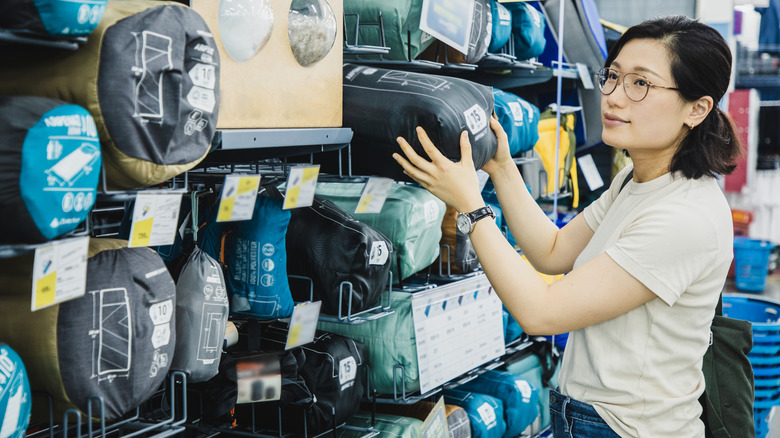
Although some outdoor activities require less equipment than others, you still need season-appropriate clothing and gear for whatever you plan to do. The cost of gear alone can limit the amount of time you spend adventuring, especially if you partake in an equipment-intensive activity. However, it also represents an opportunity to find savings. For starters, if your upcoming outing involves an activity you only do every now and then or are just trying out for the first time, you may want to consider renting equipment. Additionally, some local, state, and national parks have loaner programs for various outdoor gear. You may also be able to borrow equipment from a friend who has similar interests (though be sure and return it clean, on time, and in good condition).
If you are buying, consider where and how you buy your clothing and gear. Some items, such as outdoor clothing, backpacks, and sleeping bags can be purchased used. Friends, enthusiast groups, and reputable consignment and resale shops are good places to look for second-hand finds. However, there is some outdoor gear you should never buy used: Helmets, harnesses, and life jackets are just a few examples. But even when buying new equipment, you don't have to just open your wallet and dump it out. Today there are a wide array of online shops selling new, high-quality gear at discounted prices. Items like the BOTE manual inflate life jacket, can often be found on Amazon for reduced cost and free shipping (keep an eye out for added Prime Day and holiday savings).
Cut down on transportation costs
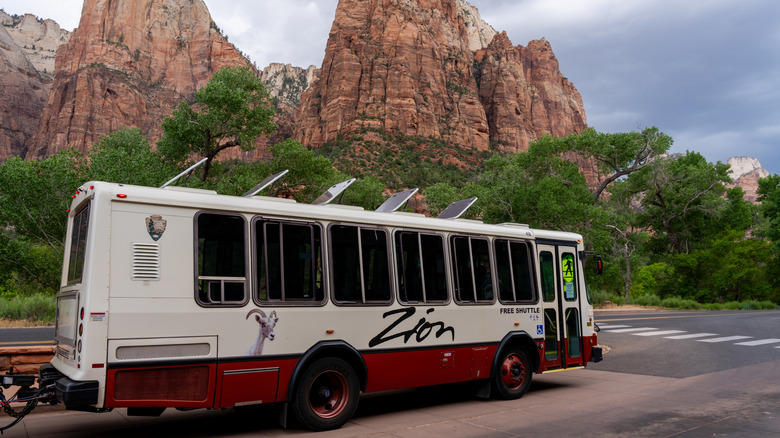
Another way to trim costs and save money on your outdoor adventures involves how you get there. There are a variety of ways to cut travel costs, whether you are staying close to home or headed for a far-away destination. If you are adventuring locally, consider biking or walking to the park or trailhead if it is within a reasonable distance. If that is not practical, carpooling with friends or utilizing public transportation may be options. Seattle and King County in Washington, for example, runs a seasonal trailhead bus to popular mountain trails, shuttling people out of the city and reducing highway and parking congestion.
Some of those methods may still be options when traveling farther from home. The cost of getting to your destination can be cut by carpooling with friends. If flying, look for specials or sales and book well in advance. You can also take advantage of loyalty programs or accumulated points. Or look for discount travel sites like Matt's Flights. Once you roll into town, research how to get to the outdoor recreational area affordably. Again, walking may be practical. If not, check to see if the region offers shuttles or public transportation to your destination.