

Improve The Soil Quality In Your Garden With The Help Of A Tasty Vegetable
We may receive a commission on purchases made from links.
Garlic is a garden superhero as well as a culinary staple. It's one of the best companion plants for roses since garlic's pungent aroma repels destructive garden pests such as Japanese beetles and mice. It's a great addition to vegetable plots for the same reason. Even if pests aren't a problem in your garden, garlic is worth planting because it improves soil quality in multiple ways. it emits a strong scent as it manufactures sulfur. Some of this sulfur goes into the earth, helping to reduce the number of soil-based pathogens in your garden. Garlic is especially good at deterring fungi in the soil. For example, it can ward off mildew growth, making chemical fungicides unnecessary. Plus, garlic enriches garden soil with nutrients that help a range of plants thrive.
When your plants aren't using their energy to fight pests and diseases, they're likely to be healthier. This sets the stage for prettier flowers and more bountiful harvests. Garlic is especially helpful for keeping blight-promoting fungus away from potatoes, improving yields. This quality is more important than ever since fungicide-resistant strains of Phytophthora infestans, the pathogen responsible for late blight in potatoes, are on the rise. Garlic is also useful in strawberry patches when hot, humid weather strikes. These conditions encourage disease-causing fungi to multiply, but garlic helps to control the problem.
Garlic also makes your soil more nutritious for other plants because its leaves, bulbs, and other parts contain lots of vitamins and minerals. Though garlic pulls nutrients from the soil as it grows, it returns them when it dies. Even if you don't plant this tasty vegetable in your garden, consider feeding your compost pile leftover garlic peels from last night's dinner.
How garlic adds nutrients to garden soil
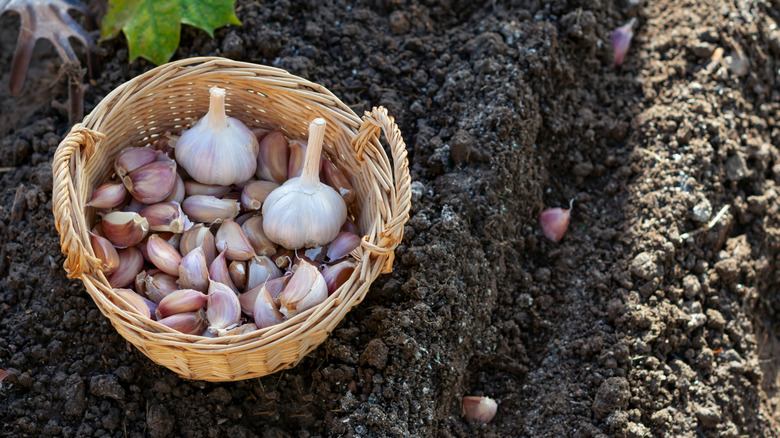
In addition to discouraging fungus from infesting your soil, garlic can make the ground in your garden more fertile. When garlic gives off sulfur, nearby plants absorb some of it through their soil. Sulfur assists with photosynthesis, which gives plants the energy they need to thrive. It also teams up with nitrogen to form amino acid chains that help build proteins within plant tissues. Sulfur can also reduce salty soil's sodium content, making it more hospitable to plants and earthworms. Garlic can even help prevent sulfur deficiency in your garden, which can compromise plants' growth and fruit production.
Cultivating garlic in areas you plan to grow legumes in the future is especially helpful. That's because legumes such as peas, peanuts, and lentils require lots of sulfur to fix nitrogen in the soil. However, avoid growing garlic and legumes in the same spot at the same time. Garlic is a poor companion for legume plants because it needs large quantities of the nutrients they're also seeking. This may spark a battle for resources that compromises the health of both.
Garlic plants also enhance garden soil by adding phosphorous, potassium, and lots of nitrogen. They may deliver smaller quantities of calcium, magnesium, and zinc as well. Letting some bulbs and spent leaves decompose in your garden is the best way to use this plant as a nutrient booster. As these parts break down, they release nitrogen and other beneficial substances the plant has absorbed. Some gardeners plant garlic right before frost arrives in the autumn so the plants will enrich the soil all winter.
Tips for growing delicious, nutrient-packed garlic
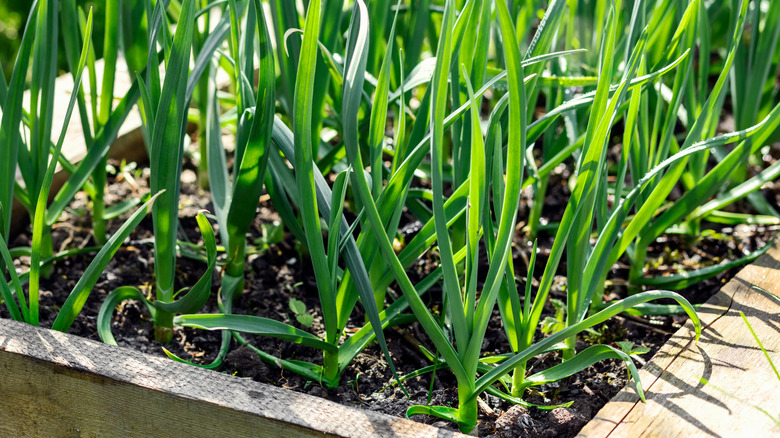
The more nutrients your garlic stores in its tissues, the more it can deliver to the soil once it's done growing. Creating conditions that foster healthy growth is your first order of business. Choose a type of garlic that excels in your USDA hardiness zone and give it ideal amounts of sunshine, water, and nutrients. In general, garlic likes full sunlight each day and an inch of water per week. Utah State University Yard and Garden Extension recommends planting garlic in the fall for optimal bulb growth. Keep weeds under control, too, as they can use up nutrients your garlic needs, limit its access to sunshine, and hinder bulb development.
Make sure your garlic's growing area has plenty of nitrogen and phosphorous. Amending the soil with compost is a good start. Before introducing other fertilizer, test your soil with a product such as the MySoil test kit, which will help you choose the correct type and amount of fertilizer. If you notice yellowing foliage on your garlic plants, run a second test since this is a sign of nutrient deficiencies.
If your soil test shows that phosphorous levels are low, feed your garlic rock phosphate or bone meal. Phosphorous sources like these are best applied when you plant your garlic. They help hearty roots form as soon as possible. A high-nitrogen fertilizer may be needed in the spring, when leaf development shifts into high gear. Don't use more than a half a pound of this fertilizer for every 100 square feet of garden space or your plants may direct too much energy toward leaf growth, leading to puny bulbs. Not only will that affect your spaghetti sauce, your soil will be missing out on critical nutrients.