

Want More Blooms On Your Lavender? Try Adding A Landscaping Staple To Your Soil
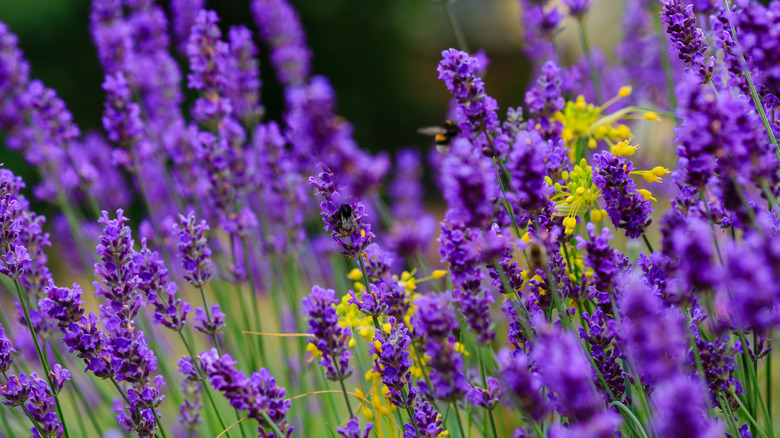
Lavender is not just a pretty plant. This stunning purple perennial can also keep pests far away and offer a host of other benefits that make it a popular addition to any garden. Lavender has a long blooming period that extends from late spring to early summer, and since it is a low-maintenance plant that isn't hard to grow, it's a great option for beginners to add to their garden. It also works as a great solution for filling bare spots in your yard.
Understandably, a goal of many gardeners is to increase the number of blossoms their lavender plants produce. If you want to encourage more blooms on your lavender, adding the landscaping staple of gravel to the soil can help.
While lavender is not hard to grow, it does have very specific soil preferences that help it thrive. Well-draining soil tops the list of requirements for lavender. Adding gravel to the soil mixture helps improve drainage by keeping the soil loose. Overwatered and poorly-draining soil can cause root rot and wilting. Lavender doesn't like overly fertile soil either. Although highly fertile soils can produce lush leaves, they reduce a plant's scent, one of the most popular aspects of this pretty flower.
Get the best lavender blooms with these growing tips
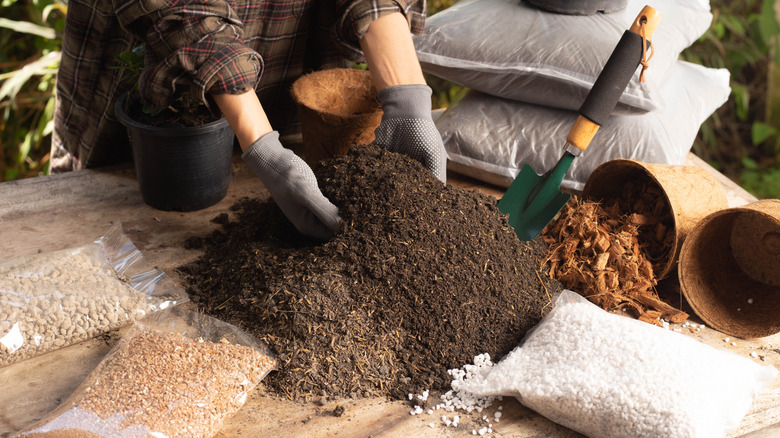
Lavender has very specific soil needs and preferences that are essentially non-negotiable. Plant this flower in the wrong soil, and — if it survives at all — you will end up with few blooms and a weak scent that will leave you disappointed. The best way to get the right soil for your lavender is to mix the soil with small gravel until you have a nice blend that will prevent root rot and will allow the soil to drain well. Usually, equal amounts soil and gravel will give you the right mix. You can add the soil and gravel mix to garden spaces where you will plant the lavender, or you can add it to containers for a healthy lavender houseplant. To get the right pH levels for your soil, throw in some lime. It will increase the soil's alkalinity to suitable levels for lavender.
Don't add compost or fertilizer to your soil. Overall, lavender grows best in rocky areas and not in lush, fertilized soil. You can test the soil and gravel mixture's draining ability by watering it before planting and watching to see how fast it drains. You want there to be no remaining water standing after watering. Once you get the aerated soil mix down, you will see how well the lavender flowers do and how easy they are to manage.