

Plant This Flower If You're Worried About Polluted Soil In Your Garden
We may receive a commission on purchases made from links.
Improving a garden's soil typically means addressing drainage problems or nutrient deficiencies. The remedy often involves adding something to your soil — say, compost or fertilizer. However, when it comes to pollution, you may need to remove heavy metals or other contaminants from your garden. If you're concerned that your soil may be harboring dangerous substances, exploring the soil-cleaning abilities of sunflowers (Helianthus annuus) may put your mind at ease. These cheery plants soak up massive amounts of heavy metals and hold them in their roots, stems, and leaves. Plus, detoxifying a garden with sunflowers is easier and more cost effective than hauling away tons of soil. Scientists are studying how to best use this process for cleaning up environmental disasters and managing industrial pollutants.
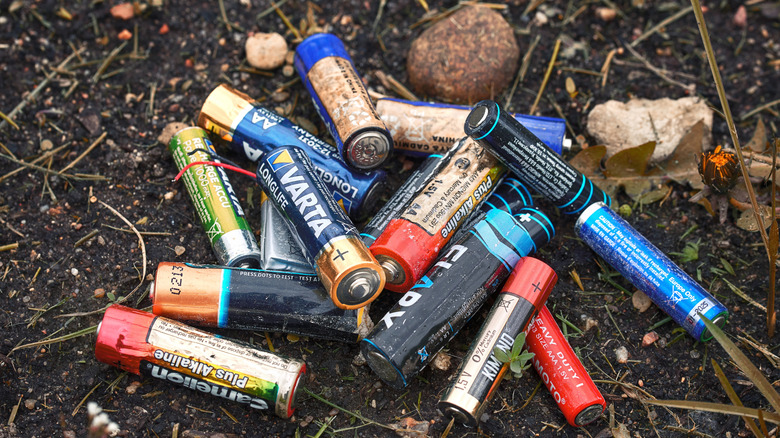
Sadly, soil pollution isn't uncommon in residential areas. Toxic substances accumulate in soil as old buildings shed lead paint and cars emit exhaust that settles on the ground. Chemicals from farms and factories can travel to your yard through wind, runoff, and polluted rain. Pesticides and herbicides used by previous owners of your yard may still be present. Your soil might even contain buried batteries, used oil, dumped paint, or other hazardous materials that weren't discarded properly. If you suspect that lead or other contaminants are present in your yard, order a soil test before gardening there. Agricultural extension offices offer this service, as do farming-focused departments of state universities. When you receive details about your soil's situation, you'll have a better sense of how to proceed. The team that analyzes your soil might even suggest planting sunflowers in contaminated areas and growing vegetables in raised beds rather than in-ground gardens.
Contaminants sunflowers can remove from your soil
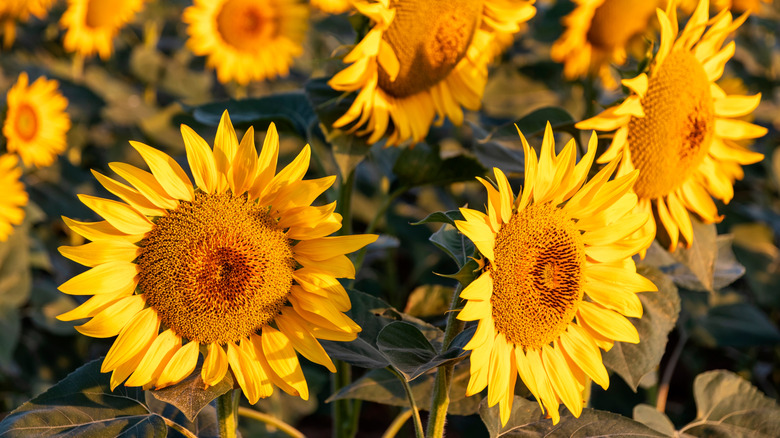
There are a few reasons that sunflowers are good at removing large amounts of pollutants. First, they're willing to grow in soil containing many different contaminants. Second, they grow fast and deep, reaching toxins that reside beyond the soil's uppermost layers. Third, they're large plants, so they can store a lot of heavy metal.
Sunflowers excel at removing a variety of contaminants from the soil surrounding their roots. Peer-reviewed scientific studies have shown that they're effective at extracting arsenic, cadmium, copper, iron, and zinc from the ground and keeping it out of the surrounding ecosystem. This ability extends to other pollutants too, including pesticides, petroleum, and harmful components of oil spills and vehicle exhaust. Sunflowers can even absorb radioactive substances such as cesium-137 and strontium-90. In fact, these plants were an important tool for reducing radioactivity in Chernobyl after the 1986 nuclear accident there.
Though several published studies have illustrated that sunflowers pull lead out of their soil, some experts have questioned how the findings of this research have been interpreted. According to a 2020 article in the International Journal of Phytoremediation, lead doesn't move through plant tissues — including those of sunflowers — as readily as other heavy metals. This means it tends to sit in or near the roots rather than going into the foliage and, when the plant is pulled, out of your garden. The article's authors explain that the roots essentially immobilize the lead and reduce gardeners' risk of being exposed to it. In other words, sunflowers may still be helpful for managing soil-based lead, just not in the way researchers initially assumed.
Safely cleaning your soil with sunflowers
Before planting any sunflowers, make sure the soil test you've ordered measures the concentrations of nutrients your plants need and heavy metals that could harm your health. It should tell you the pH level of your soil as well. Your testing team may also provide details about the distribution patterns of different contaminants in your yard. This information can help you decide which areas need the most attention. If you're trying to remove heavy metals, consider lowering your soil's pH level. This is especially important if its pH is neutral or slightly alkaline. Heavy metals are more bioavailable — that is, easier for plants to access and use – when soil is somewhat acidic. Earth Science fast-acting sulfur is one product that can help you achieve a lower soil pH.
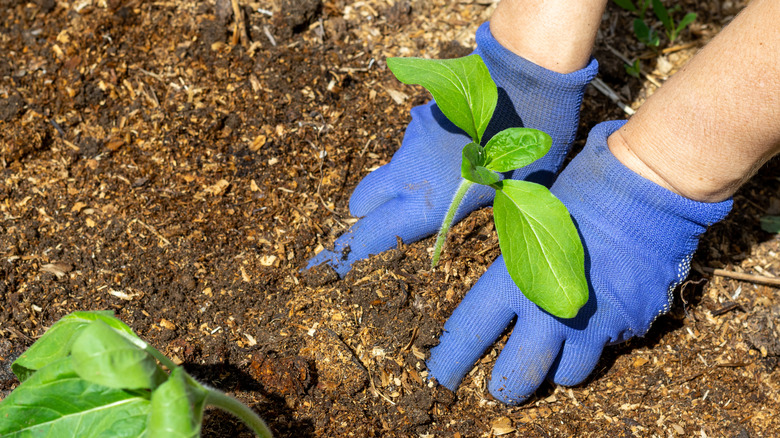
To protect yourself when growing pollutant-removing sunflowers, wear gloves when sowing seeds or touching any part of the plants. Clearly label the contaminated area, and keep kids and pets away from it. Don't grow plants you intend to eat near the detoxification zone either. When it's time to uproot your sunflowers, make sure to dispose of them properly. Some communities have rules about getting rid of plant matter that contains chemicals, so do some research before tossing this waste in a trash can. Also, never put contaminated plants in your compost bin. Since substantially lowering heavy-metal concentrations can take several years in a moderately polluted garden, you may have several years of sunflower growing ahead of you. To get a sense of your progress, re-test your soil on a regular basis.