

The Whimsical Orange Flowering Plant That Hummingbirds Absolutely Love
We may receive a commission on purchases made from links.
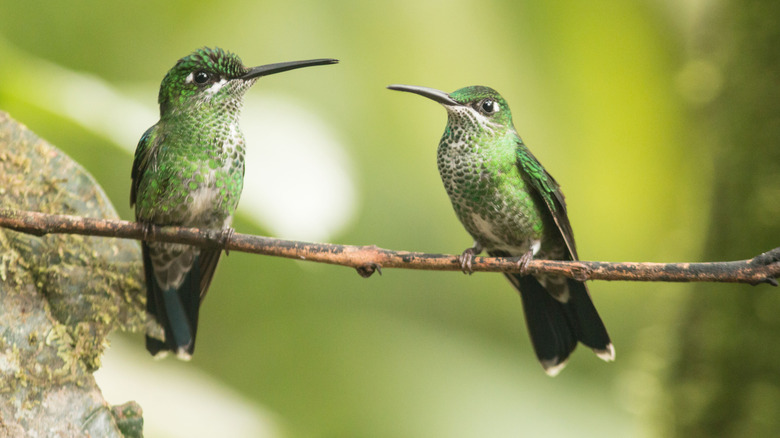
A garden fluttering with life is an enjoyable place to hang out and relax not to mention being a visual treat for the eyes. There are several ways to bring more pollinators flitting about your garden, including adding certain colors that will attract hummingbirds to your garden such as red and orange, and keeping hummers cool and hydrated with a water mister. You can also add beautiful flowering plants your feathered visitors will enjoy, like the flowering maple (Abutilon spp) plant. The plant — called the flowering maple due to the shape of its leaves, reminiscent of a maple leaf — is also known as Chinese lantern or Chinese bellflower. These brightly colored perennials boast gorgeous red and yellow bell-shaped flowers about 3 inches in diameter when open, and hang upside down. These beautiful plants were popular during Victorian times but interest faded. They are making somewhat of a comeback in modern gardens and for good reason: These vibrantly colored, bell shaped flowers are a magnet for beneficial pollinators like hummingbirds, bees, and butterflies.
These pretty plants often have brittle stems and vary in size from as short as 19 inches to as tall as 6 to 10 feet in height and do well in hardiness zones of 8 or above. If you live in cooler climates, this lovely plant can be successfully grown indoors in containers. One stand-out benefit of flowering maples is its ability to clean the air converting CO2 to oxygen through its leaves, according to gardeners (however, recent research suggests houseplants aren't as effective as once thought).
How to plant and care for your abutilon
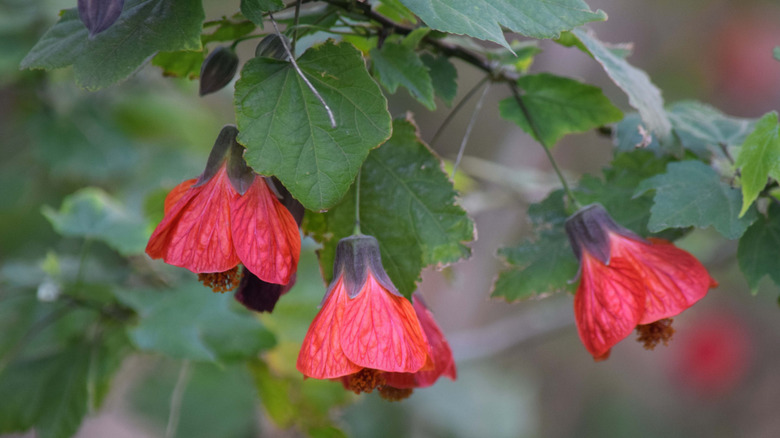
Flowering maples are not particularly complicated to grow but they do have more fertilizer needs than a lot of flowers. When planting abutilon outdoors, plant in partial shade to full sun. If you live in regions where it gets cold in the winter, planting them outside in containers allows you to move them indoors easily over the winter months. Gardeners in hardiness zones 9 and 10 should plant abutilon where it will receive full sun during the morning hours and get afternoon shade when it is the hottest.
Soil preferences are well-draining soil with plenty of compost added to it to create a rich soil. Adding some gravel to the soil mix and loosening the soil and preparing it before planting the abutilon will help keep the soil well-drained. This plant doesn't have super fussy water needs but you shouldn't ever let the soil get completely dry. On the flip side, you don't want them sitting in water so find the happy medium which is moist but not wet soil.
Fertilizing is where you need to pay special attention. Abutilon should be fertilized every two weeks with a balanced, all-purpose fertilizer that is water soluble from late winter through fall. You can also choose a fertilizer designed to help the plant bloom more like this EZ-GRO 10-30-20-blossom booster fertilizer. Pruning is another important caretaking task. Without proper pruning your plant can look a little straggly and unkempt. Regular pruning can help control how big your abutilon gets just be careful not to over-prune, which can affect how well your plant blooms.