

Why You Should Add Cardboard To Your Raised Garden Beds
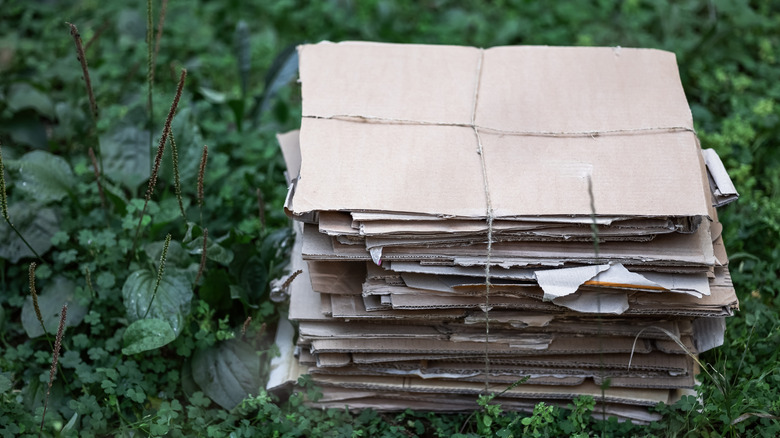
Out-of-control weeds can drain the fun out of gardening as they siphon off nutrients, water, and other resources your most prized plants need. If you've chosen raised beds rather than in-ground gardens for part of your yard, use the power of smothering to keep unwanted plants at bay. Most raised beds have open bottoms that weeds sneak through over time. The soil in these beds keeps some weed seedlings from seeing the light of day, but the strongest specimens may break through the surface and proliferate. Lining the bed's bottom with cardboard can keep these plants from invading the home you've created for vegetables, herbs, or flowers.
Cardboard is easy to obtain for free, and you may already have a wealth of it in your recycling bin. There are many ways to reuse this material in your garden since it's eco-friendly, breaks down naturally, and tends to offer adequate drainage. For example, cardboard egg cartons can be turned into biodegradable flower pots or seed-starting cells that you can plant in your garden. Make sure the cardboard you're repurposing doesn't contain ink, shiny coatings, or glue, which can secrete harmful chemicals into your soil. This is especially important if you intend to eat the plants you're growing. When selecting cardboard for a raised bed, choose the thick, corrugated variety since it takes longer to decompose than its thinner counterparts. If you're especially concerned about weeds, grab enough cardboard to make a multi-layered liner for the bottom of each raised bed.
How to make a cardboard liner for a raised garden bed
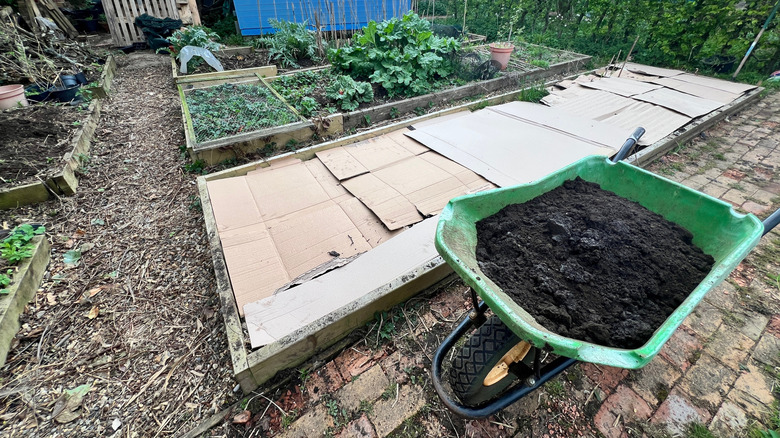
The way you install your raised-bed liner is almost as important as the material you choose. If you're constructing a brand-new raised bed, remove grass and weeds from the spot you've set aside for your garden. After that, place cardboard on the ground before building the bed to eliminate gaps between the cardboard and the walls. Let the cardboard go 6 inches beyond the walls for the best weed control.
If you're lining the bottom of an existing raised bed, minimize spaces between the cardboard floor you're creating and the walls of the garden. Putting mulch over these cracks discourages weeds from crawling through them. Make sure your cardboard pieces overlap as you place them over the ground. This will also complicate weeds' efforts to weasel through small openings. Then, cover the cardboard with layers of mulch, compost, and soil to help the plants in your raised bed thrive. Straw, grass clippings, and wood chips can regulate the garden's moisture levels and add nutrients to the soil as they decompose.
If you run out of cardboard while creating your liner, use other sustainable layering materials such as burlap and matted-together leaves. Plan on replacing a biodegradable liner every year or two. One clever way to do this involves placing cardboard over the bed's top layer in the fall once you're done growing plants. Cover all of the soil with cardboard, and then cover the cardboard with mulch to keep it from blowing away. This cardboard lid should prevent weed seeds from infiltrating the soil, making gardening easier the following spring.