

Why Park Rangers May Approach You While Preparing For Your Hike
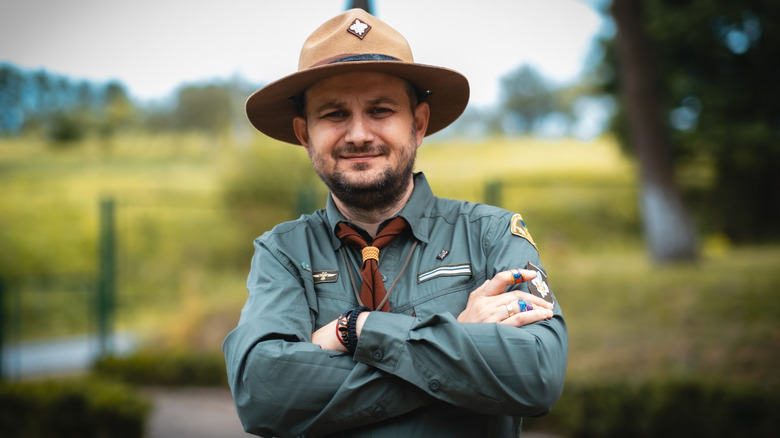
Hard-working park rangers are an essential part of our national and state parks and forest lands, maintaining public health and safety and sharing their knowledge about the natural wonders that you're keen to visit. So as you embark on your next hike, don't be afraid if you see a uniformed ranger walking your way. National Park Service Spokesperson Cynthia Hernandez spoke exclusively with Outdoor Guide to share some of the key reasons a park ranger might talk to you on the trail.
"It's not uncommon for park rangers to approach visitors to see if they have any questions, need help, or want some advice. Park rangers are there to help!" Hernandez says. Heat waves, the threat of flash flooding, and the rare but present threat of dangerous wild animals all pose risks to anyone visiting natural places, and park rangers have the skinny on what to expect the day you arrive. "A park ranger might approach you if they notice that you don't have a water bottle, or they just want to check that you know where you're going and are prepared. They might also tell you about the weather or any active wildlife they've seen recently, or simply wish you a good hike," Hernandez says.
Park rangers want you to plan ahead
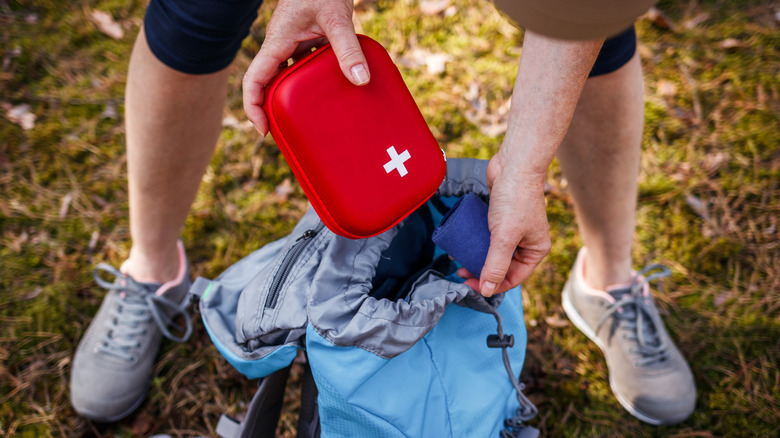
Preparation is key for that next trip on your national park bucket list. Cynthia Hernandez recommends checking the park website for information about things like timed-entry permits and fees that may be required, as well as any trail hazards or road conditions you should know about. Websites will also give you the rules you'll need to follow, such as leaving your dog at home or cleaning your boat to prevent the spread of aquatic invasive species before taking it on a lake. "Visitors can also download maps to use offline while in the park," Hernandez says, which is an important consideration when you're miles away from any kind of cell service.
The National Park Service publishes a handy Trip Planning Guide, which covers more than just remembering to pack essentials you'll need in case of emergency. The Guide reminds you to let someone know where you're going and to check back in with them when you return. Rangers are skilled in search and rescue, but the most important part of their job is to prevent you from getting into trouble on the trail. Hernandez says, "Know the signs of heat illness and plan your trip to avoid the heat of the day by coming early, bringing water, salty snacks, sunscreen, and a hat."
Don't be afraid to approach a ranger
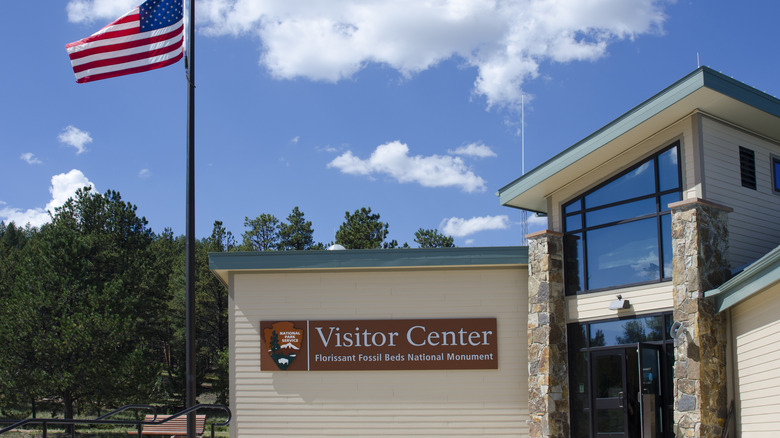
As ambassadors and stewards of public parks, rangers are there to both protect you and to help you have the best experience possible. Cynthia Hernandez recommends stopping by the visitor center or finding a ranger to chat with on your way into a park. Rangers can tell you where the best spot to view wildlife is that day, where you might still need micro-spikes on a trail, or other secrets only rangers know. Visitor Centers also post information about ranger-led programs that may give you new insights to the area you are visiting.
While out on the trail, asking a ranger about your hike might reveal routes or stops you may not have considered. And always let a ranger know if you see something of concern, like injured wildlife or fellow hikers who aren't behaving. Park rangers are also enforcement officers, and they're there to make sure everyone is following the rules.
Even the most confident explorers can use tips from a park ranger, so if you see one headed your way, be sure to welcome their input and thank them for their service.