

Why You Actually Want To See Woodpeckers In Your Yard
We may receive a commission on purchases made from links.
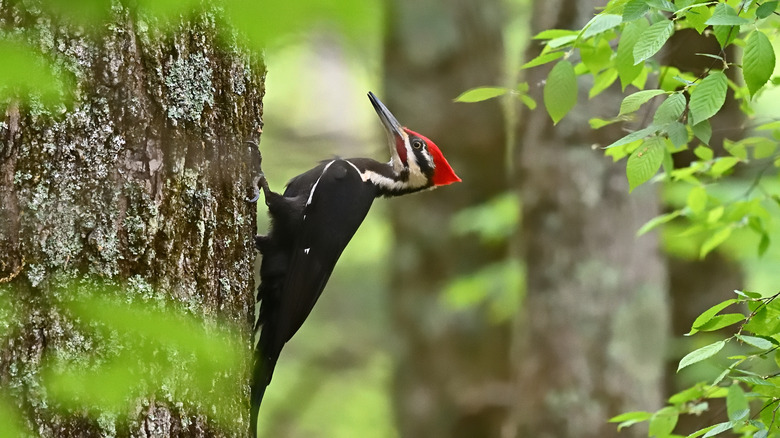
Woodpeckers are beautiful, interesting birds with great personalities, making them fun to watch. There are many reasons you want woodpeckers to hang around your yard aside from the entertainment factor. They are terrific exterminators for your garden area thanks to their big appetites for bugs. Known as a keystone species for their contribution to the eco-system, they are invaluable to other animals by providing much needed holes in dead or dying tree cavities. These cavities are used for homes and hiding places for a host of birds and small mammals such as swifts, small owls, wrens, bluebirds, squirrels, and many others.
There are more than 200 species of woodpeckers in the world with about 22 of those species making North America home. Which species will visit your yard depends on several factors including habitat, geography, and resources available for the birds to use. Among the most common species that frequent suburban yards, you'll discover the pileated woodpecker, downy woodpecker, northern flicker, red-headed woodpecker, and the yellow-bellied sapsucker. One of the many things people love about these amazing birds is that they are fairly easy to identify with their unique coloring. Once woodpeckers have made their home in your yard, they usually stick around throughout the year especially if they have food, shelter, and water readily available.
Woodpeckers are a big help in getting rid of insects
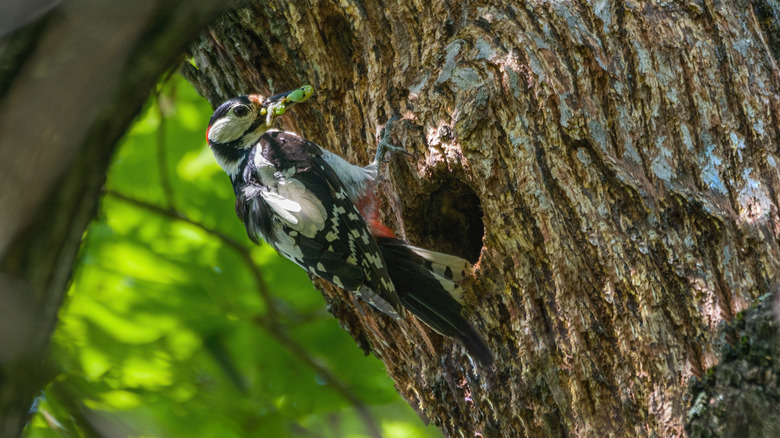
One of the biggest contributions woodpeckers make to your backyard is eating a lot of spiders, insects, and grubs. Pileated woodpeckers, in particular, eat so many ants! With all this bug-eating going on, woodpeckers can be very helpful in lowering the numbers of pests in your yard. One bug in particular that woodpeckers love to feed on is the emerald ash borer. This invasive, bright green bug is wreaking havoc on ash trees by boring into the tree and feeding underneath the bark. This voracious feeding is interrupting the ash tree's ability to transport vital nutrients and water resulting in millions of ash trees dying.
Woodpeckers are the EAB's (emerald ash borer) biggest predator. Researchers are finding infested trees by noting those that woodpeckers are frequently spotted in. The hope is that the damage to the trees can be caught and stopped early, before they die. But it is a difficult task. If you have ash trees in your yard, you want to keep these horrid little bugs away from them. If you notice woodpeckers are in your ash trees more than anywhere else, or see other signs that EABs are present, it is worth contacting a tree specialist for help and reporting any infestations you find to the Animal and Plant Health Inspection Service at the U.S. Department of Agriculture where they will have you fill out a form and send it in.
How to attract woodpeckers to your yard
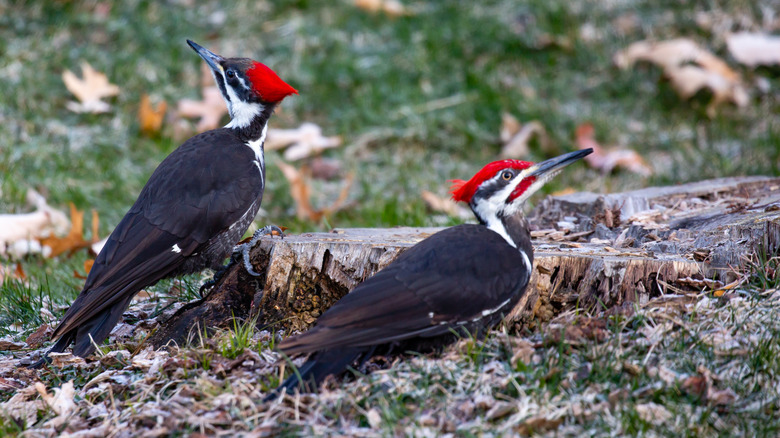
There are many ways to make your yard attractive to woodpeckers including many clever tips that will attract bug-eaters to your yard. In addition to insects, there are other food sources woodpeckers like, one of those being tree sap. All that drilling and hammering going on in the trees is not just to get bugs; many woodpeckers are going after the delicious sap. There's another benefit to letting woodpeckers drill holes in your trees: It draws hummingbirds that love the tree sap too. Other food sources you can add to your yard include peanut butter, peanuts, oranges, apples, grapes, sunflower seeds, and suet. If you put out suet make sure the feeders are sturdy, then stuff it with fruit or nuts. Make sure you add additional food sources for the woodpeckers all year long. They will love sticking around if they know your yard always has a meal ready.
Water is another important way to make your yard attractive to woodpeckers. It's always important to choose the right size bird bath for the birds you want to attract. Woodpeckers are not as into bird baths as some birds are, but you can entice them by placing a larger pedestal-style bird bath or a ground bath like this Aristotle Oasis bird bath and drinker that sits around 2 inches deep. Set it in a secluded place, hidden from view, for best results. Clean the water and bath regularly, and keep the water heated in colder climes or seasons.