

Hummingbirds Will Be Flocking To Your Yard With The Help Of A Color-Changing Flower
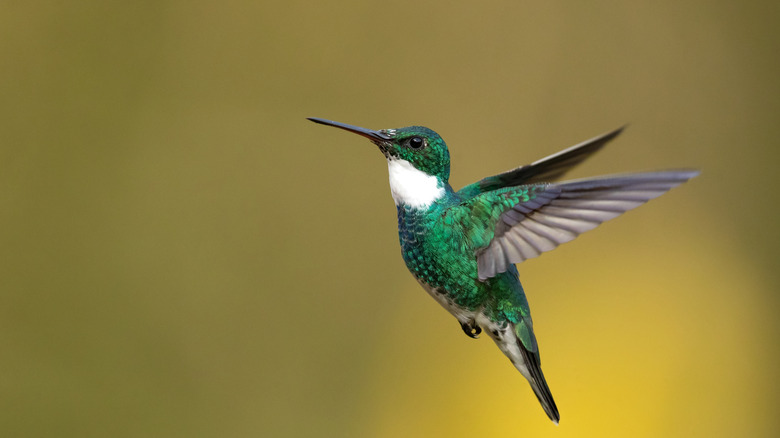
Hummingbirds are fascinating animals that provide hours of amazement as you watch them fly around your garden. Because of this, you may find yourself wanting to attract more hummingbirds to your yard. After all, who wouldn't want to spend their days watching these birds dart around the garden? While you can use saucer-shaped feeders to attract more hummingbirds, that isn't your only option for inviting more of these colorful little birds to your garden. Instead, you can also plant more flowers, including those like the scarlet gilia.
Did you know that hummingbirds have a favorite color? Red is like a dinner bell for hummingbirds, and adding more red to your garden is a great way to encourage hummers to visit more often. That's why adding scarlet gilia flowers (Ipomopsis aggregata) to your garden is a great choice for attracting more hummingbirds: With their striking, tubular orange-red flowers, they tick all the boxes for these nectar-loving birds. Plus, because they're drought tolerant once established, you'll find that even beginner gardeners will find them to be fuss-free plants.
However, that's not what's most interesting about the scarlet gilia. These flowers actually change colors, shifting from darker hues to lighter as the season goes on. Studies have shown that this shift actually begins as hummingbirds migrate, with research showing that the lighter colors may be useful in attracting other pollinators once hummingbirds have moved on. Here's how you can grow these color-changing pollinator magnets in your own yard today.
How to grow scarlet gilia flowers
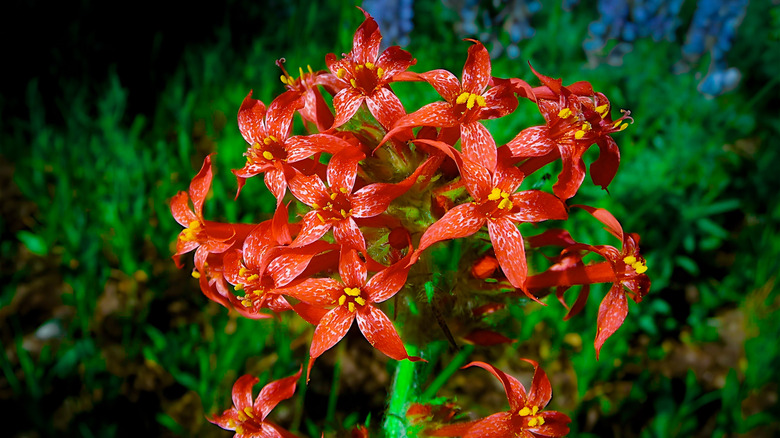
The first step in growing scarlet gilias is finding the perfect place in your yard to cultivate this beautiful, color-shifting flower. If you're planning to grow scarlet gilias in a container, you'll have more control over the soil. If you're choosing to plant it in your yard, you'll need to either adjust the soil to meet this flower's needs or find the right pre-existing spot. Scarlet gilias need well-draining soil, and it does well in sandy medium. As for pH, aim for slightly acidic (6.5) to neutral (7.0) to help this plant thrive. When choosing the right place to plant your scarlet gilia, take the time to consider sun exposure: Scarlet gilias are full sun plants that need plenty of light throughout the day, around 6 to 8 hours.
Once you've picked the perfect spot, you can choose to start your scarlet gilias either from seed or young plant. You'll want to plant seeds around ¼ inch deep — a pencil eraser can help you with your sowing and spacing. If you're transplanting seedlings, opt for a deeper depth, up to 3 inches deep.
Scarlet gilia are fairly low maintenance. These flowers need regular but infrequent watering, with the well-draining soil drying out between each watering. Fertilizing and pruning are a bit more hands-on, with scarlet gilias needing light fertilization during the growing season and regular deadheading to keep their blooms vibrant and healthy.