

The Downsides To Installing A No-Dig Fence In Your Backyard
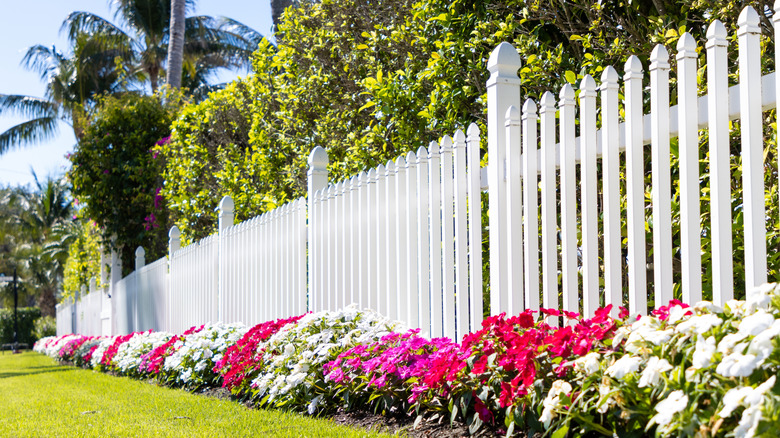
If you're starting to see the tell-tale signs that it's time to replace your fence, you may be wondering what options are available for you. After all, your fence is often the first thing guests see in your outdoor space, and you want something that balances security with visual appeal. If you're looking for a quick, easy option that requires no digging while still offering you the boundaries you want in your yard, then a no-dig fence might be the right choice for you, but you should also know about the downsides.
No-dig fences blend conveniences with function. Typically, when you have a fence installed, it takes a lot of manpower and tools. Holes need to be dug, concrete poured, and your fence finally installed before you can enjoy your new boundary. No-dig fences eliminate much of this labor, making an option that's fast and budget-friendly. In fact, since no-dig fences are installed simply by hammering or driving support stakes into the ground, it's a DIY project some homeowners take on themselves.
However, no fence offers a one-size-fits-all solution. In fact there are a few potential disadvantages to be aware of before diving in with this project.
Why a no-dig fence may not be right for you

No-dig fences have many pros: They're decorative, easy to install, and often have a lower price point than the cost of traditional wood fencing. However, when it comes to choosing the right fence for you, there are some downsides to no-dig fences that you may not experience with either wood or composite fencing.
One of the first things to keep in mind if you're considering a no-dig fence for your yard is that, while they do offer elegance with decorative options, they aren't usually designed for privacy. Since these fences cap out at a maximum height of 4 feet, most people will be able to see over your fencing into your yard. Plus, if you do opt for a decorative option rather than traditional paneling, you may be faced with even higher visibility into your outdoor space.
The second downside you may encounter with no-dig fencing is the fact that they're considered light-duty fences. Although they are sturdy and can last in your yard depending on soil conditions, they don't undergo the same installation process as traditional fencing. Because they're simply hammered and anchored into the ground rather than buried with a concrete foundation, they may not be able to withstand larger, rowdy pets.
Finally, because fence segments are pre-made, they can't be easily customized for slope or length. Not being trackable means that no-dig fence panels are not appropriate for steep slopes.