

Why You Should Consider Loamy Soil For Your Garden
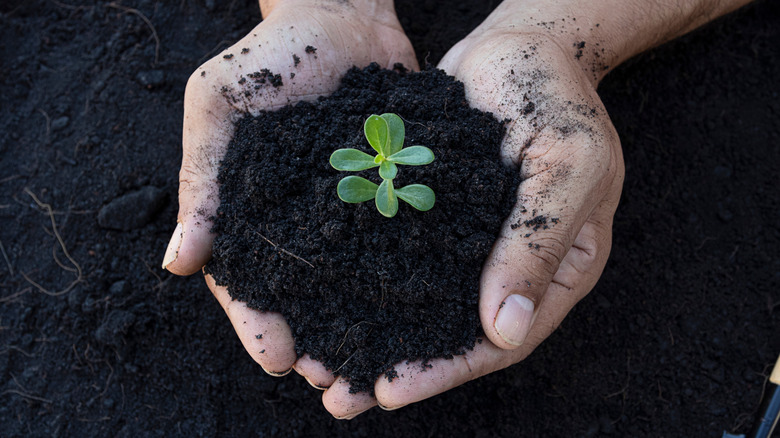
Every garden has one of four main types of soil: silt, clay, sand, or a combination known as loam. You may find that different areas of your yard have different types of soil which is completely normal. Clay, silt, and sand as standalone soil types are not the best for growing plants. Clay and silt can be too compacted, preventing roots from getting water or draining properly. Sand by itself dries out very quickly and doesn't have the soil nutrients that a plant needs to thrive.
The best soil for growing almost anything in your garden is loamy soil. Loam combines the best qualities of silt, clay, and sand that are perfect for the majority of vegetables, fruits, and plants of any kind. Loamy soil also has humus in it — a very dark, organic material that comes from decayed plant and animal matter mixed with the soil. With humus come soil mites that are an indicator of healthy soil. This humus brings a lot of benefits, most notably nitrogen which is needed by most plants and can cause problems if your garden is lacking in this important nutrient. There are several benefits to humus being a part of loamy soil. Not only is it more fertile, it is known to prevent disease from spreading in food crops and plants. The good news about humus is that you can produce it through composting food and garden scraps that can then be added to your soil.
Benefits of using loamy soil in your garden
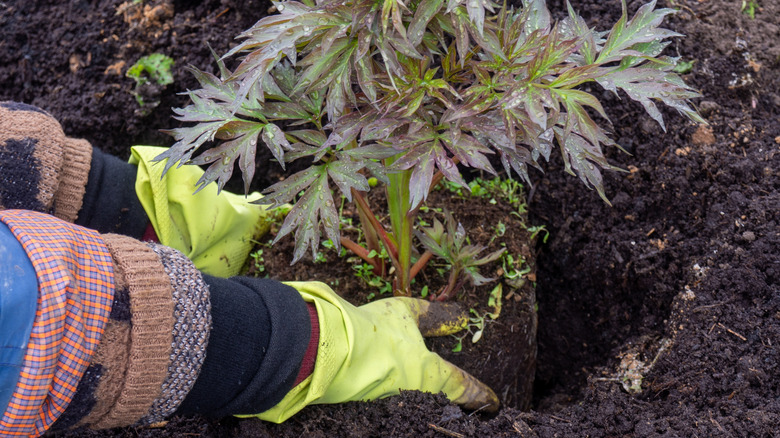
The list of benefits that go along with using loamy soil is very long. The nutrient-rich soil includes humus and typically has a balanced pH level which is good for many plants. Watering is much easier when you use loam. Not only does it retain water better, loam has excellent drainage properties, something that many plants need to thrive. Excellent drainage means your plants won't be sitting in water or become waterlogged so problems like root rot are rare. Using loam in your gardens can improve the quality of the soil over the long term. This is especially true in larger gardens and agricultural fields. This improvement results in better crops and more productive land.
Since loam allows for better aeration, you will find that the root quality of your plants is much better. This mean stronger root systems leading to more resilient plants that are less prone to disease, illness, and even pest invasion. Loam is perfect for a large variety of vegetables like tomatoes, cucumbers, green beans, onions, and so much more. In fact, there is not really anything you can't grow in loam which makes it perfect for your garden and any containers you want to grow plants in. Last but definitely not least, is that loam is very easy to work with when gardening. Whether you are tilling a garden, transplanting plants, planting seedlings or even when direct sowing seeds at the best time, you will find loam nice and easy to use.