

Lure Hummingbirds To Your Yard By Planting A Bright Red Tubular Flower
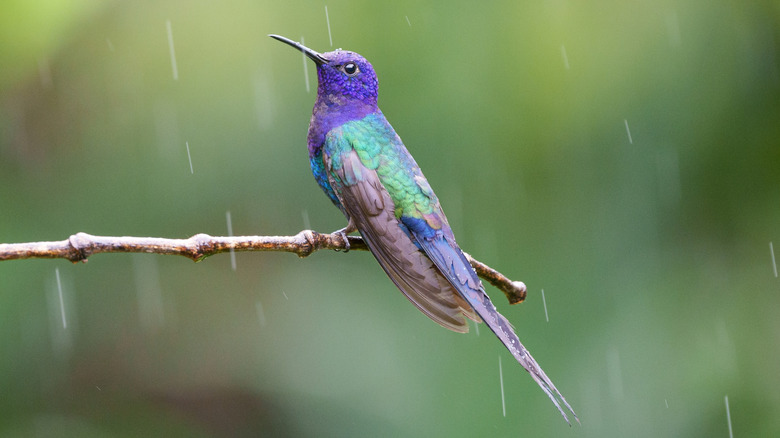
Among bird watchers, hummingbirds are particularly treasured for their colorful feathers that reflect light with an iridescent mirage of purples, blues, and greens that otherwise rarely occur in nature. Somehow, these small, delicate creatures beat their wings up to 70 times a second when flying, a graceful act that allows them to seemingly float in midair or disappear with the slamming of a screen door. It's not surprising that the rare beauty of the creature drives some people to redesign their backyards to accommodate them. If you've put your bird feeders in the right place and they aren't working, then you should try planting some flowers that hummingbirds like.
Cape fuchsia (Phygelius capensis) is one of the best flowers for luring hummingbirds to your yard because of its warm coral tones and sweet nectar. The plant's most recognizable quality is, of course, its bright pink flowers, which grow in the form of hanging tubes that are easy for hummingbirds to access with their long, stemlike beaks. The flower, also known as the less-flattering "cape figwort," is native to South Africa and grows hardily in the mountains. Since it evolved for high altitude, the plant can typically withstand temperatures as low as 0 degrees Fahrenheit and can even stay evergreen at temperatures as low as 20 degrees Fahrenheit. If you live in a warm area, these perennials will never leave your garden.
The process of maintaining cape fuchsia plants
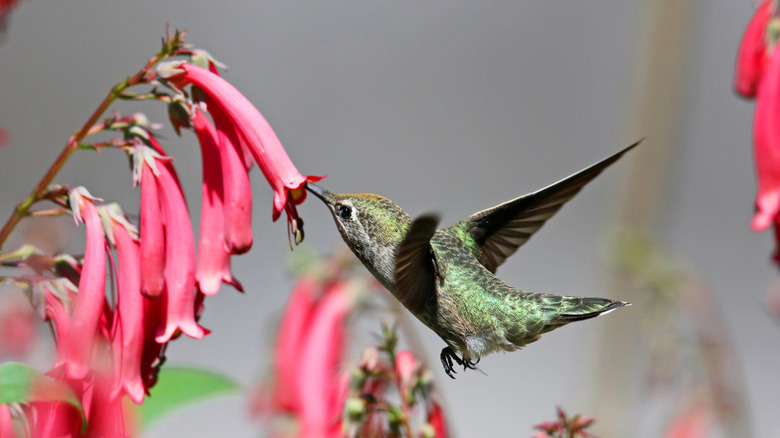
To grow healthy cape fuchsias, it's important to pick a spot where they can get as much sunlight as possible. These plants can survive in a range of soil types across a relatively broad pH range, as long as the soil is moderately fertile. However, the soil must be able to drain properly. The plant also requires pruning in the spring, and you can cut back the plant by about half its size. In the winter, mulch around its base will guard the root system from the elements.
Although cape fuchsia can spread quickly in humid areas, the plant is not considered invasive in the United States. As long as the plant is maintained properly, cape fuchsia should not threaten your backyard ecosystem. You can also grow it in pots or contained areas to limit its growth. The plant is hardy in USDA zones 7 through 10.
As a result of climate change and invasive species, hummingbirds have become less and less common over the years. Over 20 hummingbird species are currently endangered or critically endangered. But there are plenty of ways you can help hummingbirds thrive in your backyard, including by planting cape fuchsias. If you have trouble getting cape fuchsia to grow where you live, then fear not; there are lots of other flowers that will turn your yard into a hummingbird haven.