

The Slow-Growing Flowering Shrub You'll Wish You Never Planted
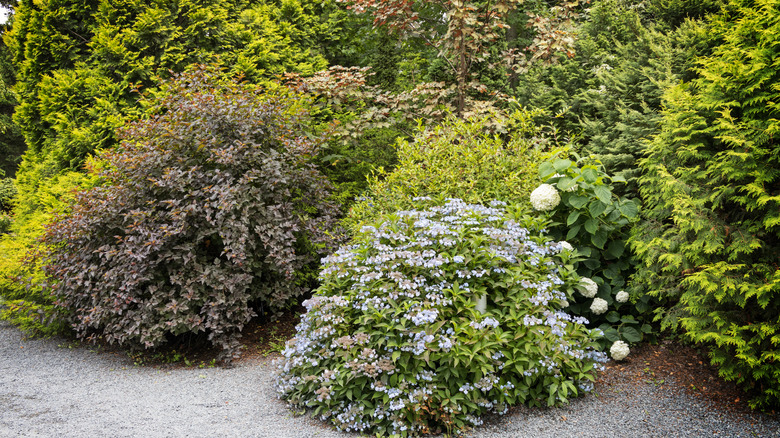
With fluffy blooms that come in nearly all the colors of the rainbow, camellias are a popular ornamental addition to many gardens. These showy shrubs have shiny, deep green leaves and are some of the season's first bloomers, with many cold-hardy varieties showing their colors in the fall and into winter months. The most common variety is the Japanese camellia (Camellia japonica), a species native to East Asia with pink or red blooms, commonly found in the south and southeastern United States. You can also find these shade-loving shrubs in other parts of the U.S. with mild winters, including Northern California and coastal areas of the Pacific Northwest. But even if you have the right climate to plant a Japanese camellia, think twice about committing to this high-maintenance evergreen. Picky about soil, temperature and shade, and victim to a litany of plant diseases and pests, this species may not be worth the effort.
The Japanese camellia is notoriously slow-growing, even when provided its ideal conditions of dappled shade, slightly acidic soil, consistent moisture, and protection from wind and big swings of temperature. Older plants can get a bit gangly, and some post-flowering pruning and deadheading is required to maintain a healthy, dense look to these shrubs. As with many other flowering plants you don't want to prune in the fall, make sure your annual maintenance is done in spring after blooming is finished. A close eye should be kept on camellia's health, as well. Clemson University's Cooperative Extension office has an entire fact sheet on diseases and pests affecting camellias, including a fungus that causes stem cankers, flower blight, root rot, leaf diseases, and scales.
Alternative varieties of camellias
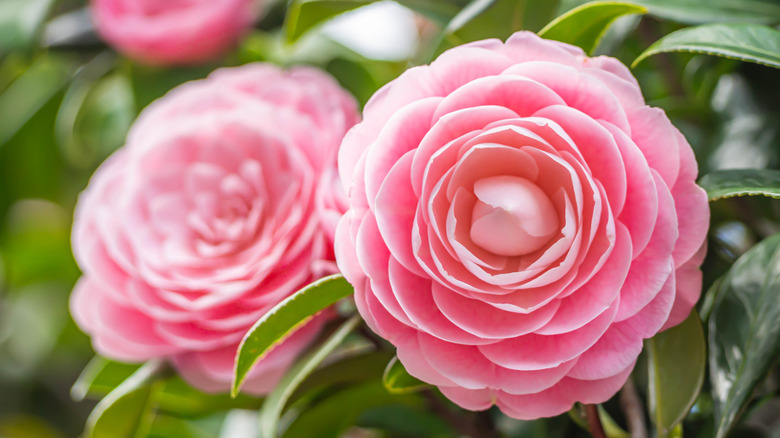
If a low-maintenance shrub perfect for your front yard is more your speed (but you're still interested in the striking flowers of camellias), there is an almost endless variety of cultivars (like more than 2,300) and hybrids that thrive in USDA hardiness zones 7-9. The winter-blooming Sasanqua camellia (C. sasanqua) is a much faster growing camellia tolerant of more soil types and resistant to root rot. This camellia can also handle more sun than the finicky Japanese camellia. The tea-oil camellia (C. oleifera) is known for its cold hardiness, and produces fragrant white or pale pink blossoms. It requires little maintenance (including less pruning) and is relatively pest resistant. Once established, these camellias are perennials that may never leave your garden.
Most camellia species found in garden stores are natives of China, Japan, and Korea. However, if you are cultivating a native garden, there are two species in the camellia family (distant cousins of Japanese camellia) that grow in the southeastern United States. The silky camellia (Stewartia malacondendron) has delicate white blooms in the spring, and appreciates shady, moist areas, where it grows naturally into a small tree. The mountain camellia (Stewartia ovata) is a deciduous shrub also with white flowers whose leaves turn a pretty orange each fall. This native camellia is resistant to most diseases and pests. However, both the silky and mountain camellias are slow growers that, like the Japanese camellia, will take patience and maintenance to thrive in a garden.