

Follow These Simple Steps To Get Your Boating License
We may receive a commission on purchases made from links.
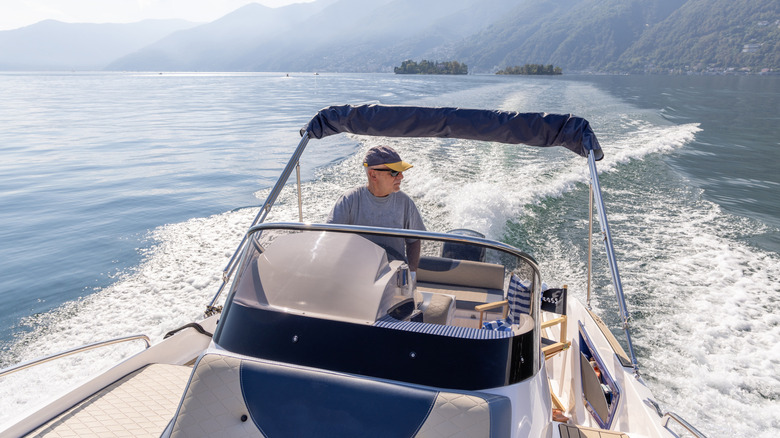
It is estimated over 100 million people go boating each year in various waterways across the United States. Although it may be hard to believe, not all of those boaters are licensed — nor do they have to be. There is no national requirement for boating licenses and only 36 of the 50 states in the US have mandatory boater education requirements. In fact, no state required boaters to be licensed prior to 1987, when Maryland began requiring boater education. However, even if you live in a state that doesn't currently require licensing, boater's education is encouraged to increase safe boating practices. Whether obtaining it is optional or required, you can follow these simple steps to get your boating license.
Beyond meeting the legal requirements in the 36 states which mandate a boating license, there are a number of benefits to obtaining one. For one, licensed boaters are often eligible for insurance discounts. Additionally, the knowledge gained can help you stay safe, which is especially important if you are boating on particularly dangerous waters. Additionally, many boater ed courses cover useful material such as boat ramp etiquette and avoiding mistakes and how to safely use distress flares.
Learn license requirements for your state
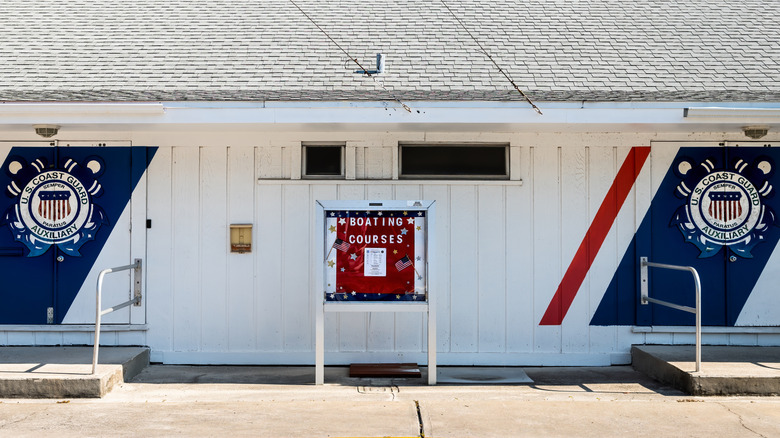
The first step in getting your boating license is finding out if your state requires you to have one. More often than not, this won't be a simple yes-or-no answer. That is because even among the three dozen states mandating some sort of boating license, most of them are not universal. Regulations in various states are based on a wide range of conditions, including age, size and type of watercraft being operated, and water bodies in which you are boating. Even in the states that require all boaters to be licensed, many have different effective ages and born-after dates that apply.
Again, you may want to consider obtaining a license even if it's not legally necessary your state. However, before undertaking a boater's ed course, it's a good idea to check the regulations to ensure the course meets a state's requirements. The vast majority of boat dealers and boating safety courses provide information regarding state-by-state qualifications. To be on the safe side, it is a good idea to check with the oversight agency within your state to verify the accuracy of the information you find.
It is also important to remember that a boating license is for operating, not owning, a boat. While this may seem like simple semantics, it is not. For example, if you do not own a boat but plan to rent one while on vacation, you will still need a boater's license to operate it if that state requires one. With that in mind, it is also important to check the regulations of other states in which you may be intending to operate a boat to ensure you meet their license requirements as well. A lot will depend on existing reciprocity agreements among states.
Find, take, and pass an approved boater education course
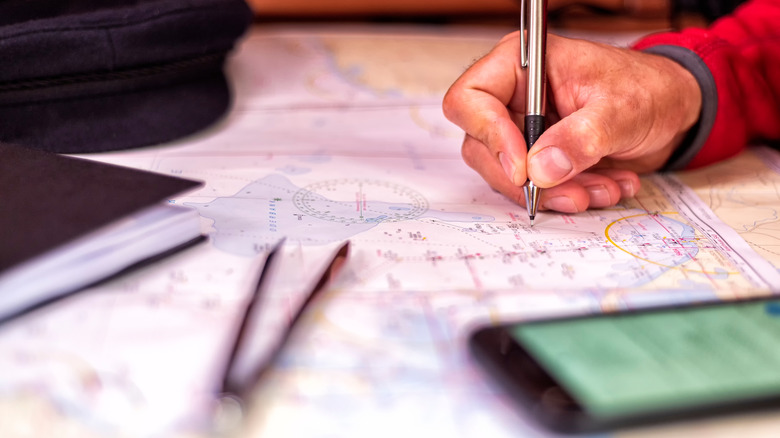
Once you've determined what is needed in your state, the next step is to find a boater's education course that meets those requirements and is approved for use towards your state's licensing needs. There are a variety of courses available: Some are online, while others are in-person. Additionally, while most require a fee, there are also some free courses offered throughout the country. Make sure you choose a course that is reputable, convenient, and, above all, accepted by your state as an approved boater education course.
The majority of online courses are set up in sections, chapters, or modules and are designed to be self-paced. Typically, passing a quiz or test will unlock the section. There is often also a comprehensive exam at the end of the course. In person boating courses vary by the type of course: Some are only a few hours long, while others may require a full day or more. The US Coast Guard Auxiliary offers various in-person courses in every state, as does the US Power Squadron. Although these courses do not allow you to go at your own pace, some states require in-person courses. Whether you are taking an online or in-person course, it is essential you successfully complete and pass the course.
Obtain your state license and keep it with you
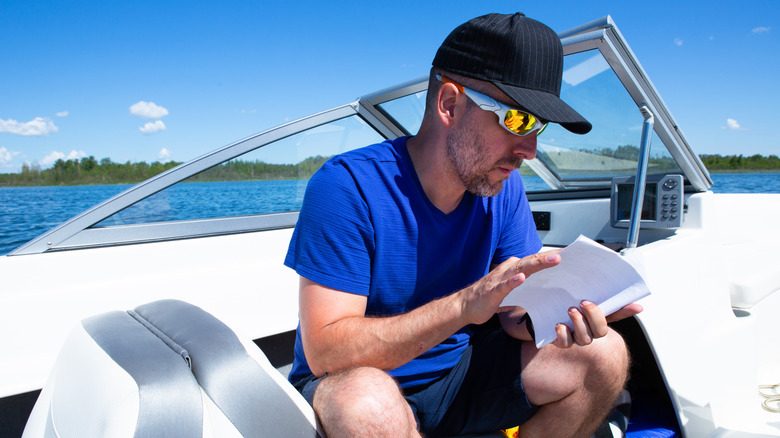
Once you successfully complete an approved boater education course, you will be provided with a certificate of completion. In some states, this certificate is all that is needed to meet the basic requirements. However, in other states you will need to obtain a boater's license from the state. This certificate of completion from the boater's education course will be necessary in order to do that. So, if you are required to apply with your state, do so as soon as you get your boater's ed certificate. Typically, you will pay a fee for the application, license, along with other taxes or fees.
Once you are in possession for the final documentation you need to meet your state's requirements, whether that be a boater's ed certificate or a state boating license, make sure it is with you every time you are operating a boat. If you are operating your own boat, it is a good idea to store this documentation along with your boat registration. Keep these items in a waterproof container like the MTM Survivor dry box, which can also be used to house whistles, flares, or other emergency boating equipment every boater should have.