

Plastic Or Glass? What You Need To Know When Choosing A Greenhouse
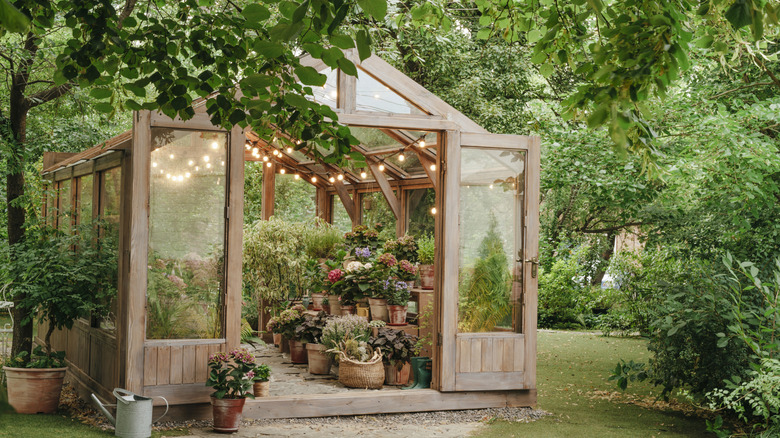
Greenhouses can provide several benefits to gardeners, such as a smaller need for chemicals, which is one of the sneaky dangers of gardening you should be aware of. Additionally, there is a lot of evidence to support the fact that gardening is good for your health, and greenhouses allow users to gain those benefits throughout the year in many parts of the United States. Unfortunately, picking out the perfect greenhouse gives you everything you need isn't easy. You have to figure out what you're looking for in terms of size, features, and perhaps most importantly, materials. When it comes to picking out what your greenhouse is made out of, you have two main options, which are glass and plastic, also known as polycarbonate. Though traditionally, plastic greenhouses weren't able to provide many benefits at all, they've come a long way and now offer a viable alternative to the classic glass greenhouse.
When trying to decide between the two materials, cost is the first factor you'll have to consider. Glass is much more expensive, over triple the price in some cases, but it can last many years if taken care of properly. Meanwhile plastic is much cheaper, though it does need to be replaced regularly. Additionally, both have the potential to get damaged, but polycarbonate panels are much more affordable to replace. However, while cost is a major consideration in picking between the two materials, it certainly isn't the only one if you want to make the best, most informed decision.
Other differences between glass and plastic greenhouses you should know before purchasing
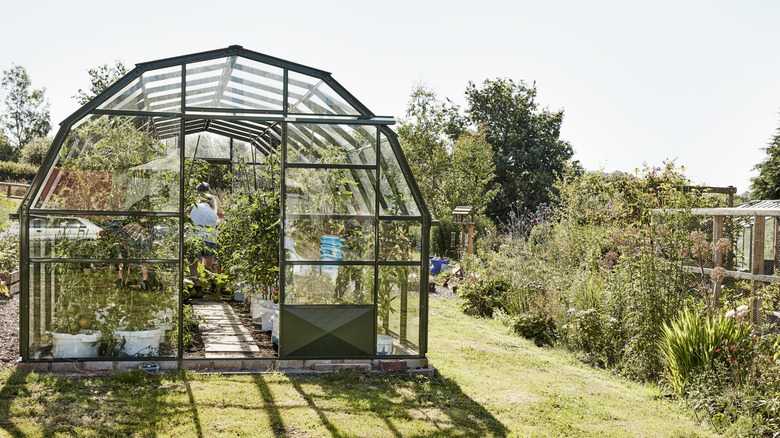
The pros of glass mostly have to do with the quality of light that comes through. The material is known for being clear and smooth, transmitting more light to the plant. This is useful especially if you live somewhere with limited sunlight or for someone looking to primarily grow plants during the winter. However, plastic is getting better with every generation, and is now almost as clear as glass in many cases if you spring for high-quality material.
Polycarbonate, on the other hand, can be more useful than glass if your greenhouse receives a lot of direct sunlight, as the plastic diffuses the light, making it less intense for your plants and reducing the chance of them burning. A good example is hydrangeas, which prefer sunlight, but not a lot of direct light in the middle of the day. Instead of fighting to find the optimal spot in your garden to plant hydrangeas, you can simply place them in your greenhouse. In fact, they're considered a high-value greenhouse plant, since temperature and light can both be controlled better than outside. Polycarbonate-diffused light spreads more evenly throughout the space, meaning that all of your plants will grow at about the same pace inside.
In their own ways, plastic and glass are both durable. Glass handles high winds, heavy snow, and general scratches better. However, hail or tree branches can shatter the material. A plastic surface, on the other hand, may scratch due to contact with a sharp object or tree branch, and roof panels are easily destroyed by winds, but plastic tends to handle harsher blows from hail and rocks without breaking, thanks to its flexibility.